Observation-guide
Pétalas, estames e frutos: pistas para observar uma flor sem a colher
Um guia de observação descritiva: registe partes, forma, cor e frutos sem transformar um traço isolado numa identificação local ou numa prova da visita de um polinizador.
Âmbito: descrever antes de identificar
Este guia propõe observar e descrever estruturas, não atribuir nomes de espécies. Não foi definida uma região e o material disponível não fornece uma chave local; por isso, uma semelhança não basta para afirmar que espécie tem diante de si. Mantenha separadas três coisas: aquilo que observa, a explicação apresentada pelas fontes e qualquer hipótese que ainda necessite de verificação.
O que observar na flor
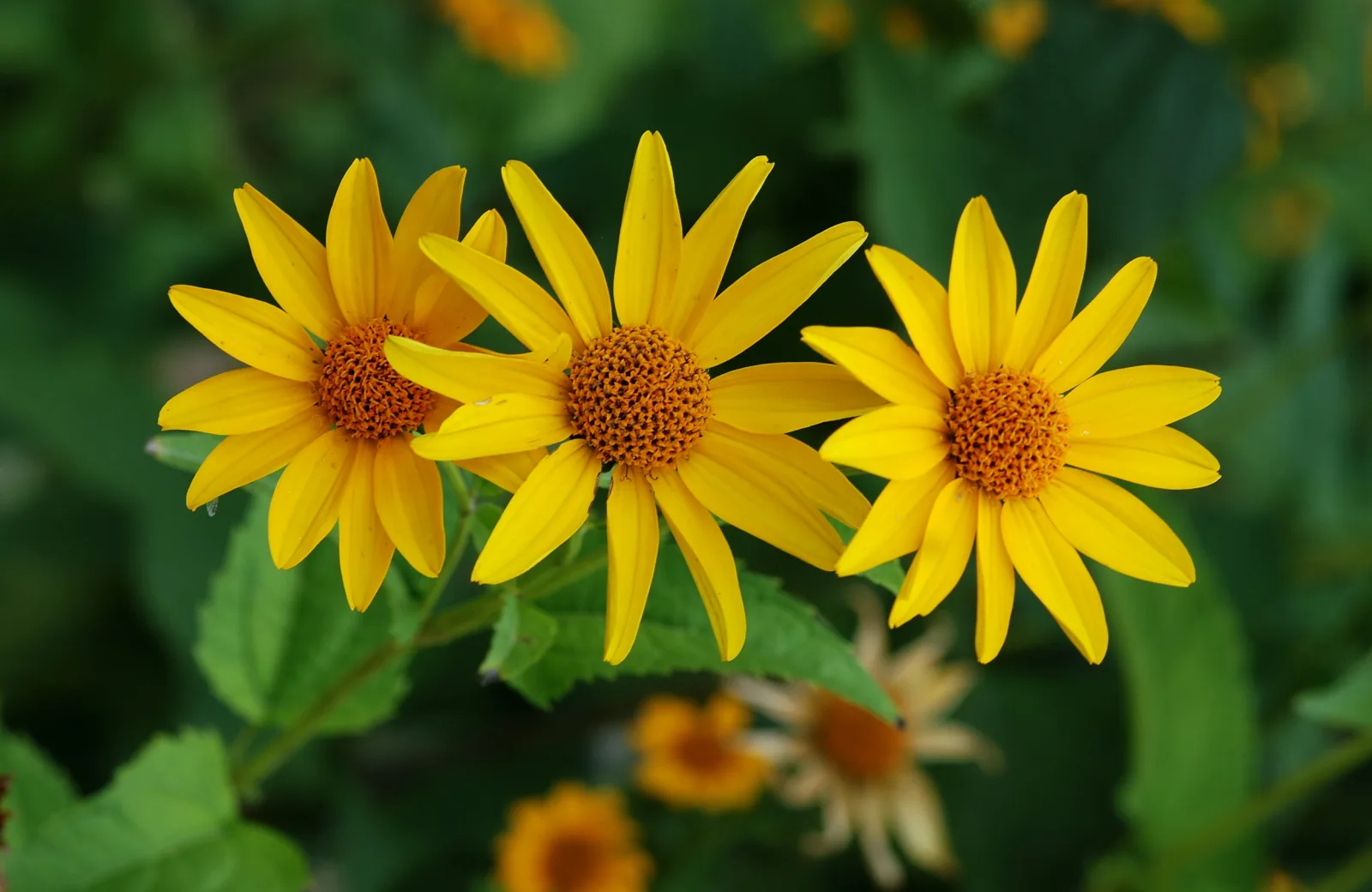
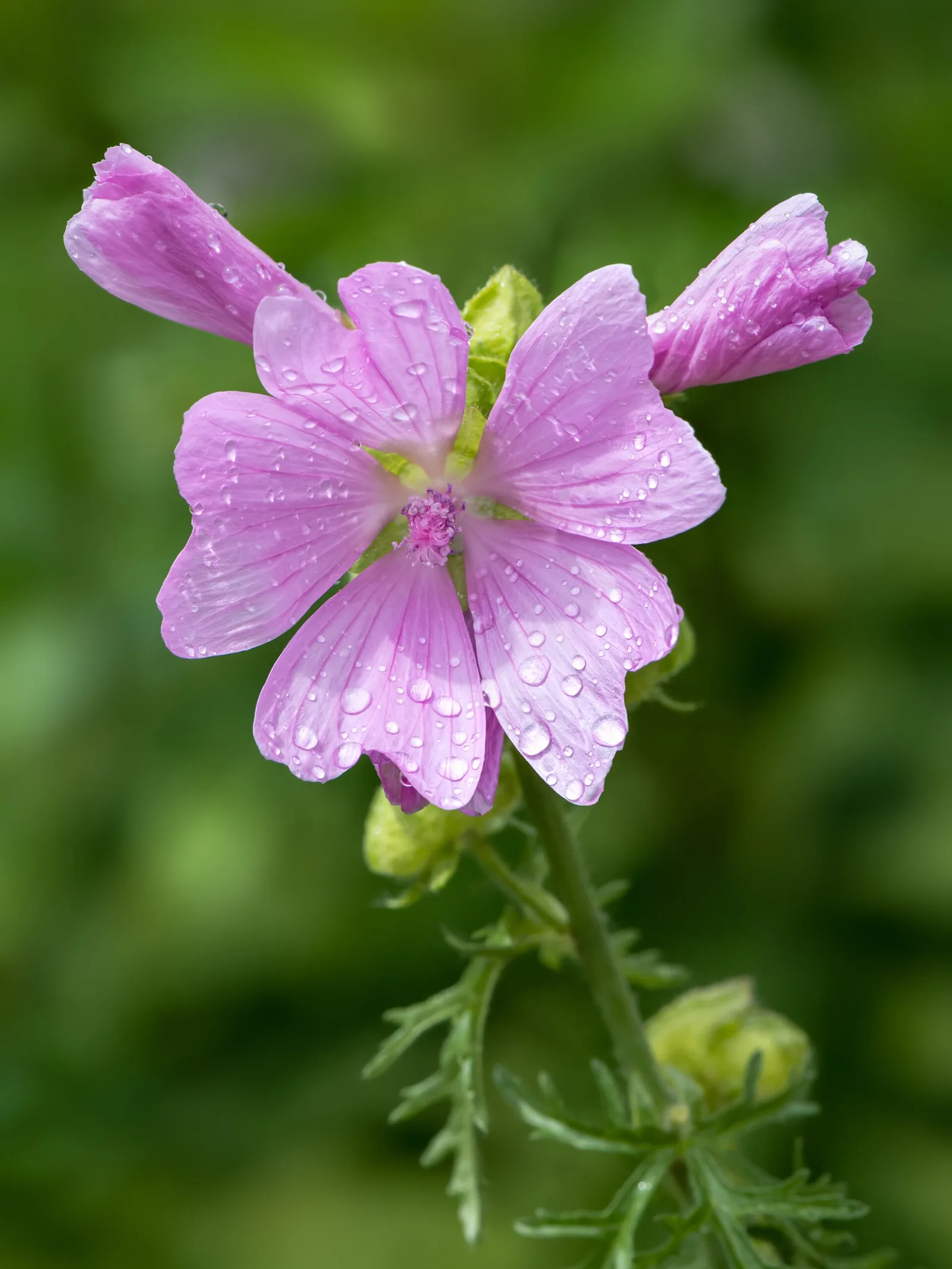
Comece pelos traços que pode indicar: pétalas, estames e pistilo. Anote quantos consegue distinguir, como estão dispostos e qual é a forma geral da flor, sem pressupor que todas apresentam as mesmas partes com igual nitidez. O guia da RHS apresenta esses nomes e relaciona o estame com a antera e o pistilo com o estigma na transferência de pólen; são termos para descrever, não uma chave de identificação de espécies.
Cor e forma: observação e explicação
Registe a cor e o contorno como observações; não deduza apenas a partir deles a causa da cor nem a presença de um visitante específico. Como exemplo de uma explicação delimitada, um estudo sobre quatro espécies de papoilas examinou as suas propriedades ópticas e relacionou as cores vivas com uma pigmentação densa e a dispersão da luz em pétalas finas. Esse resultado diz respeito às espécies estudadas e não demonstra que o mecanismo se aplique a qualquer flor semelhante.
Do fruto, apenas o que é visível
Se houver frutos, descreva a sua cor, forma e contexto visível, e registe que estão presentes na planta observada. Um guia de outono da RHS inclui flores e frutos entre os elementos que podem ser descritos pela cor, forma e condições de crescimento. O material aqui reunido não fornece características diagnósticas da estrutura do fruto nem um método para demonstrar que um fruto específico provém da flor que está a observar: não complete essa ligação como se fosse uma observação.
Preparação e registo sem colher
Antes de se aproximar, prepare uma página para um desenho e etiquetas simples: flor, pétalas, estames, pistilo e, se surgir, fruto. Comece por desenhar a disposição geral e, depois, acrescente os pormenores visíveis; acompanhe o esquema com notas sobre a cor, a forma e as condições do ambiente que consegue observar. A RHS propõe explorar flores e identificar as partes num desenho; Kew descreve atividades educativas que utilizam ampliação e dissecação. Este guia opta pelo registo visual sem colher a flor.
Confusões frequentes e comportamento responsável
Um traço chamativo não equivale a uma identificação: várias flores podem partilhar cores ou formas, e a forma de uma flor também não confirma qual polinizador esteve presente. A RHS assinala, em termos gerais, preferências de diferentes polinizadores por diferentes formas; isso não prova que tenha havido uma visita num caso específico. Trate essa relação como uma explicação geral, não como uma conclusão de campo. Observe sem danificar a planta e deixe por resolver aquilo que o registo não permite verificar.
Fontes e método
Esta história sintetiza as referências indicadas e distingue observações possíveis de conclusões que exigiriam mais dados. Não apresenta trabalho de campo original da FaunaGuide nem substitui uma identificação especializada.
- Construction of SNP fingerprint and population genetic analysis of honeysuckle germplasm resources in China — Frontiers | Construction of SNP fingerprint and population genetic analysis of honeysuckle germplasm resources in China The flower buds of Lonicera japonica Thunb. are widely used in Chinese medicine for their anti-inflammatory properties, and they have p
- Isolation and characterization of the C-class MADS-box gene involved in the formation of double flowers in Japanese gentian. — Isolation and characterization of the C-class MADS-box gene involved in the formation of double flores in Japanese gentian - PMC Generally, double-flowered varieties are more attractive than single-flowered varieties in ornamental plants. Japanese gentia
- A Fragment Insertion of AgDFR Results in a White Flower Phenotype in Arundina graminifolia (Orchidaceae). — A Fragment Insertion of AgDFR Results in a White Flower Phenotype in Arundina graminifolia (Orchidaceae) - PMC Bamboo orchid (Arundina graminifolia), a fast-growing evergreen terrestrial orchid com year-round flowering capacity, exhibits limited germplas
- Science focus: Parts of Flowering Plants / RHS — Science focus: Parts of Flowering Plants / RHS Teach pupils to identify parts of a flower before completing a blank diagram to show their understanding. Study & learnSchool gardeningTeaching resourcesPesquisar allBackScience focus: Parts of Flowering PlantasS
- Flower shape identification guide / RHS — Flower shape identification guide / RHS <p>Flores come in many shapes, sizes, and arrangements on their stems - this is called an inflorescence. Different pollinators prefer different flower shapes, so having a variety can boost biodiversity.</p> Study &
- Draw parts of a flower / RHS — Draw parts of a flower / RHS Explorar flores in the garden to draw and label their different parts. Study & learnSchool gardeningTeaching resourcesPesquisar allBackDraw parts of a flowerDraw parts of a flowerExplorar flores in the garden to draw and label th
- KS2 Flower structure and plant reproduction | Kew — KS2 Flower structure and plant reproduction | Kew Pupils take a closer look at the amazing structure of flores, using microscopes. Do you think all flores are the same? KS2 Flower structure and plant reproduction Pupils take a closer look at the amazing
- What leaves reveal about wildflowers | Grow Wild | Kew — What leaves reveal about wildflores 21 June 2021 What leaves reveal about wildflores Imagem Brandon Shaw is a Masters student at Kew, studying Plant and Fungal Taxonomia, Diversity and Conservação. Here he guides us through what makes leaves one of the m
- Summer flowers identification guide / RHS — Summer flowers identification guide / RHS Use this guide to help identify flores in bloom in the warmest months of the year. Study & learnSchool gardeningTeaching resourcesPesquisar allBackSummer flores identification guideSummer flores identification gui
- RHS Plant Finder 2027 — RHS Plant Finder 2027 Find your next garden favourite com RHS Plant Finder 2027. Browse more than 60,000 plants and 340 UK nurseries in one essential directory. What’s new in RHS Plant Finder 2027?The latest edition of RHS Plant Finder is available from
- Fabaceae Lindl. | Plants of the World Online | Kew Science — Fabaceae Lindl. | Plants of the World Online | Kew Science Fabaceae Lindl. First published in Intr. Nat. Syst. Bot., ed. 2. 148. 1836 [13 Jun 1836] (1836)nom. cons. This family is accepted Taxonomia Imagems General information Descriptions Uses Descriptions
- Autumn flowers and fruit identification guide / RHS — Autumn flowers and fruit identification guide / RHS Use this guide to help identify flores and fruits that appear throughout autumn. Study & learnSchool gardeningTeaching resourcesPesquisar allBackAutumn flores and fruit identification guideAutumn flores
- Spring flowers identification guide / RHS — Spring flowers identification guide / RHS Use this guide to help identify flores in bloom in the early part of the year. Study & learnSchool gardeningTeaching resourcesPesquisar allBackSpring flores identification guideSpring flores identification guideUs
- Vividly coloured poppy flowers due to dense pigmentation and strong scattering in thin petals. — Vividly coloured poppy flores due to dense pigmentation and strong scattering in thin petals - PMC The flores of poppies (Papaveraceae) exhibit bright colours, despite their thin and floppy petals. We investigated the optical properties of flores of Pa
Ver e ouvir
Imagems, sons e cenas
Recursos que complementam a informação, com a sua origem e condições de reutilização.
Fotografia documental: Pétalas, estames e frutos: pistas para observar uma flor sem a colher