Observation-guide
Petals, Stamens, and Fruits: Clues for Reading a Flower Without Picking It
A descriptive observation guide: record parts, shape, color, and fruits without turning an isolated feature into a local identification or proof of a pollinator visit.
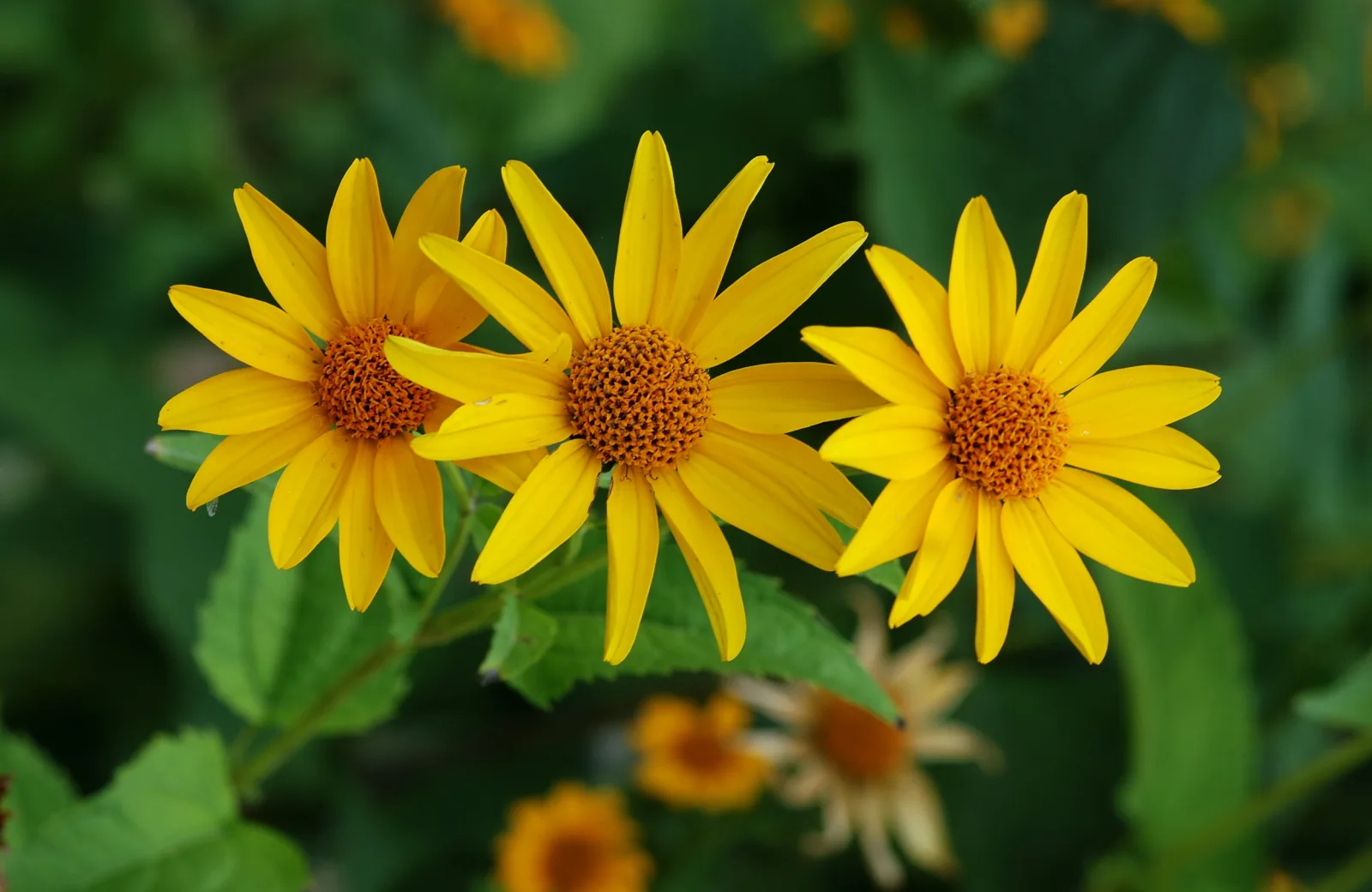
Scope: Describe Before Identifying
This guide proposes looking at and describing structures, not assigning species names. No region has been specified, and the available material does not provide a local key; therefore, resemblance alone is not enough to say which species is in front of you. Keep three things separate: what you observe, the explanation offered by sources, and any hypothesis that would still need verification.
What to Look for in a Flower
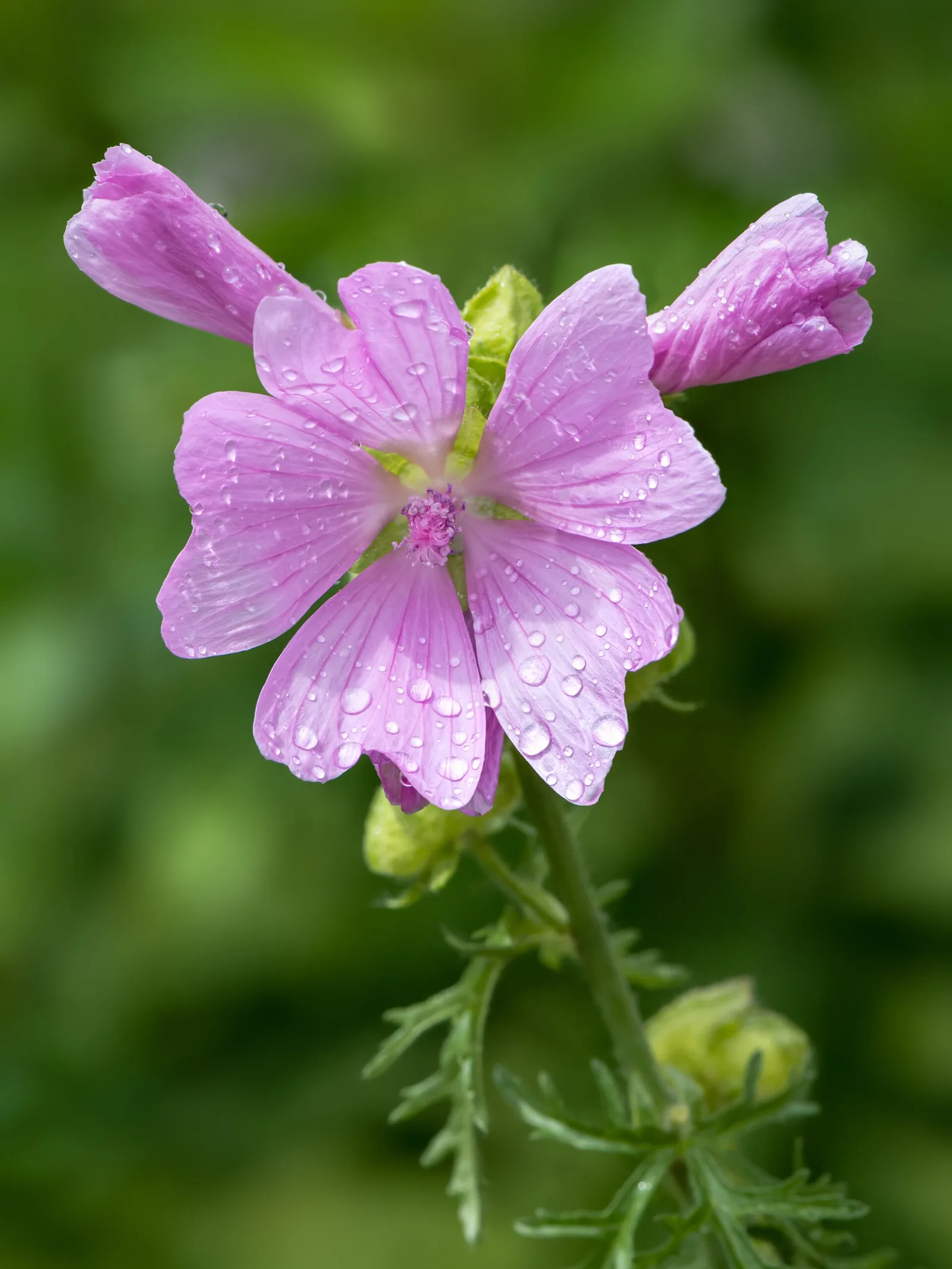
Start with features you can point to: petals, stamens, and the pistil. Note how many you can distinguish, how they are arranged, and the flower’s general shape, without assuming that all flowers show the same parts with equal clarity. The RHS guide presents these terms and relates the stamen to the anther and the pistil to the stigma in the transfer of pollen; they are descriptive terms, not a species key.
Color and Shape: Observation and Explanation
Record color and outline as observations; do not infer from them alone the cause of the color or a particular visitor. As a limited example of an explanation, a study of four poppy species examined their optical properties and linked their vivid colors to dense pigmentation and light scattering in thin petals. That finding applies to the species studied; it does not demonstrate the mechanism in any flower that merely looks similar.
For Fruits, Record Only What You Can See
If fruits are present, describe their color, shape, and visible context, and note that they are present on the observed plant. An RHS autumn guide includes flowers and fruits among the features that can be described by color, shape, and growing conditions. The material gathered here does not provide diagnostic characters of fruit structure or a method for proving that a particular fruit came from the flower you are looking at: do not fill in that connection as though you had observed it.
Prepare and Take Notes Without Picking
Before approaching, prepare a page for a drawing and simple labels: flower, petals, stamens, pistil, and, if present, fruit. First draw the overall arrangement, then add visible details; accompany the sketch with notes on color, shape, and environmental conditions you can observe. The RHS proposes exploring flowers and labeling a drawing; Kew describes educational activities that use magnification and dissection. This guide chooses visual recording without picking the flower.
Common Misunderstandings and Responsible Conduct
A striking feature is not the same as an identification: several flowers can share colors or shapes, and a flower’s shape does not confirm which pollinator was present. The RHS notes, in general terms, that different pollinators prefer different shapes; this does not prove a visit in a particular case. Treat that relationship as a general explanation, not a field conclusion. Observe without disturbing the plant, and leave unresolved anything the record cannot verify.
Sources and method
This story synthesises the references below and separates possible observations from conclusions that would need more evidence. It does not present original FaunaGuide fieldwork or replace expert identification.
- Construction of SNP fingerprint and population genetic analysis of honeysuckle germplasm resources in China — Frontiers | Construction of SNP fingerprint and population genetic analysis of honeysuckle germplasm resources in China The flower buds of Lonicera japonica Thunb. are widely used in Chinese medicine for their anti-inflammatory properties, and they have p
- Isolation and characterization of the C-class MADS-box gene involved in the formation of double flowers in Japanese gentian. — Isolation and characterization of the C-class MADS-box gene involved in the formation of double flowers in Japanese gentian - PMC Generally, double-flowered varieties are more attractive than single-flowered varieties in ornamental plants. Japanese gentia
- A Fragment Insertion of AgDFR Results in a White Flower Phenotype in Arundina graminifolia (Orchidaceae). — A Fragment Insertion of AgDFR Results in a White Flower Phenotype in Arundina graminifolia (Orchidaceae) - PMC Bamboo orchid (Arundina graminifolia), a fast-growing evergreen terrestrial orchid with year-round flowering capacity, exhibits limited germplas
- Science focus: Parts of Flowering Plants / RHS — Science focus: Parts of Flowering Plants / RHS Teach pupils to identify parts of a flower before completing a blank diagram to show their understanding. Study & learnSchool gardeningTeaching resourcesSearch allBackScience focus: Parts of Flowering PlantsS
- Flower shape identification guide / RHS — Flower shape identification guide / RHS <p>Flowers come in many shapes, sizes, and arrangements on their stems - this is called an inflowerscence. Different pollinators prefer different flower shapes, so having a variety can boost biodiversity.</p> Study &
- Draw parts of a flower / RHS — Draw parts of a flower / RHS Explore flowers in the garden to draw and label their different parts. Study & learnSchool gardeningTeaching resourcesSearch allBackDraw parts of a flowerDraw parts of a flowerExplore flowers in the garden to draw and label th
- KS2 Flower structure and plant reproduction | Kew — KS2 Flower structure and plant reproduction | Kew Pupils take a closer look at the amazing structure of flowers, using microscopes. Do you think all flowers are the same? KS2 Flower structure and plant reproduction Pupils take a closer look at the amazing
- What leaves reveal about wildflowers | Grow Wild | Kew — What leaves reveal about wildflowers 21 June 2021 What leaves reveal about wildflowers Image Brandon Shaw is a Masters student at Kew, studying Plant and Fungal Taxonomy, Diversity and Conservation. Here he guides us through what makes leaves one of the m
- Summer flowers identification guide / RHS — Summer flowers identification guide / RHS Use this guide to help identify flowers in bloom in the warmest months of the year. Study & learnSchool gardeningTeaching resourcesSearch allBackSummer flowers identification guideSummer flowers identification gui
- RHS Plant Finder 2027 — RHS Plant Finder 2027 Find your next garden favourite with RHS Plant Finder 2027. Browse more than 60,000 plants and 340 UK nurseries in one essential directory. What’s new in RHS Plant Finder 2027?The latest edition of RHS Plant Finder is available from
- Fabaceae Lindl. | Plants of the World Online | Kew Science — Fabaceae Lindl. | Plants of the World Online | Kew Science Fabaceae Lindl. First published in Intr. Nat. Syst. Bot., ed. 2. 148. 1836 [13 Jun 1836] (1836)nom. cons. This family is accepted Taxonomy Images General information Descriptions Uses Descriptions
- Autumn flowers and fruit identification guide / RHS — Autumn flowers and fruit identification guide / RHS Use this guide to help identify flowers and fruits that appear throughout autumn. Study & learnSchool gardeningTeaching resourcesSearch allBackAutumn flowers and fruit identification guideAutumn flowers
- Spring flowers identification guide / RHS — Spring flowers identification guide / RHS Use this guide to help identify flowers in bloom in the early part of the year. Study & learnSchool gardeningTeaching resourcesSearch allBackSpring flowers identification guideSpring flowers identification guideUs
- Vividly coloured poppy flowers due to dense pigmentation and strong scattering in thin petals. — Vividly coloured poppy flowers due to dense pigmentation and strong scattering in thin petals - PMC The flowers of poppies (Papaveraceae) exhibit bright colours, despite their thin and floppy petals. We investigated the optical properties of flowers of Pa
See and listen
Images, sounds and scenes
Resources that complement the information, with their origins and reuse conditions.
Documentary photograph: Petals, Stamens, and Fruits: Clues for Reading a Flower Without Picking It