Comparison
Bees and Flies on Flowers: What the Evidence Allows Us to Compare
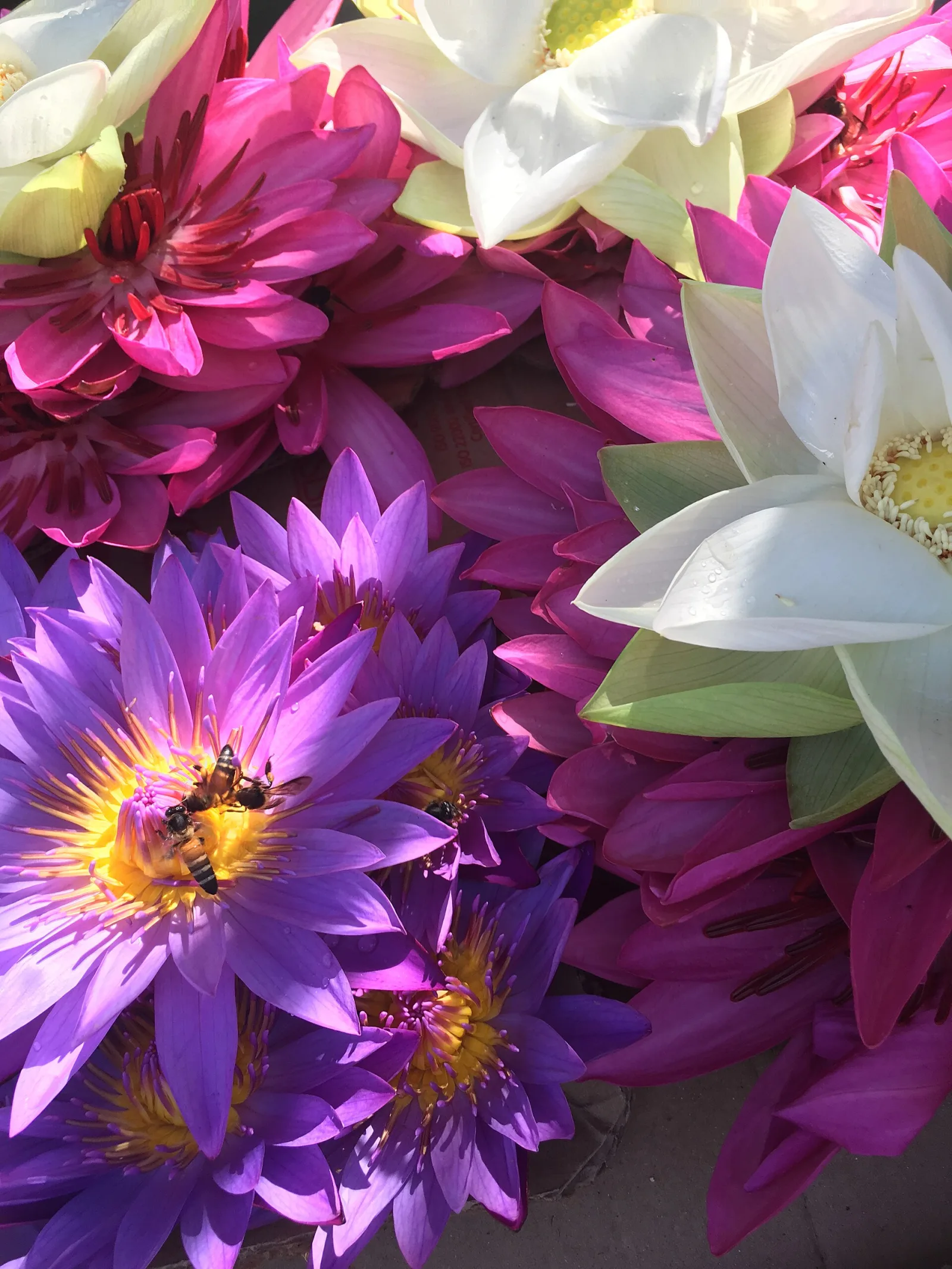
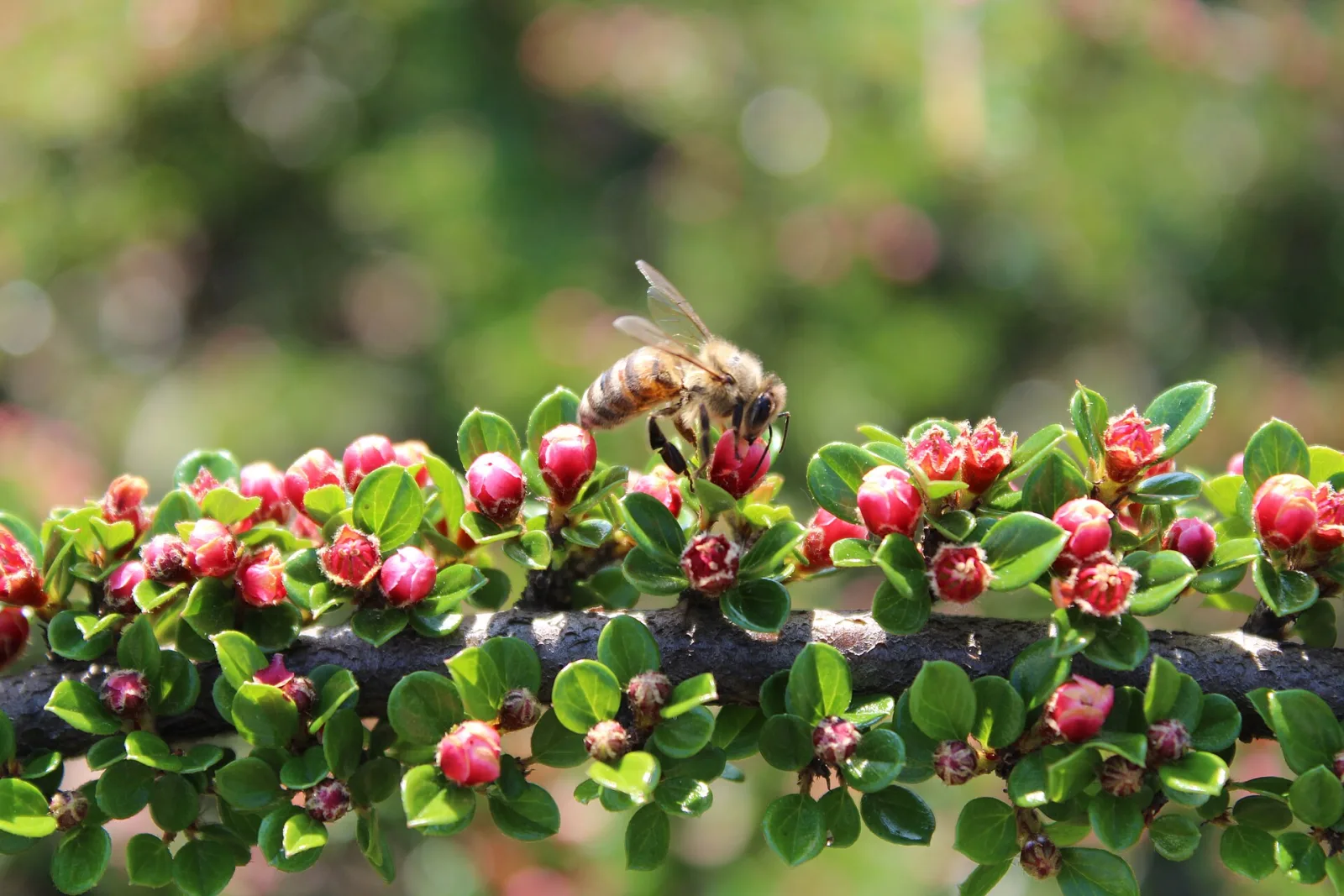
Bees and flies may visit flowers for their rewards, but the sources consulted mainly describe their habits and access to nectar. They do not provide enough information about external features to identify them visually with certainty.
Scope of This Comparison
This comparison is limited to what the sources describe about flower visitors: the resources they seek, how they collect them, and their access to nectar. The information comes from materials published by the Faculty of Agronomy at the University of Buenos Aires and Mexican Biodiversity; it is not an inventory of species in a particular locality or a visual identification key. [1684, 1686, 1690]
Comparing Them Using the Same Criteria
The table summarizes differences in behavior and feeding that do appear in the sources. It does not present bodily features, because the material consulted does not establish them as reliable visual criteria for distinguishing bees from flies.
| Criterion | Bees | Flies | |---|---|---| | Floral resources | They may consume pollen and nectar; nesting female bees collect pollen and store it in nests to feed their offspring. | They may also visit flowers for rewards; in general, the flies described by FAUBA have short mouthparts. | | Access to nectar | The position of the nectar depends on the flower and its interaction with the visitor; the material consulted does not give a single visual rule for bees. | In flowers visited by flies, the source notes that nectar is usually exposed and accessible. | | Relationship to pollination | Visits may contribute to pollen transport, although a visit alone does not show that pollination has occurred. | Some flies are flower visitors; not every visit, by a fly or a bee, proves that pollen was transferred. | | Other features described | Some bees use oils or resins, and males of certain orchid bees collect fragrances. | Some scents that imitate decomposing matter may attract saprophagous flies. |
[1684, 1686, 1690]
What Is Described and What Is Explained
As a documented description, FAUBA states that nesting female bees may gather pollen in their nests and that flowers visited by flies generally have exposed nectar. As an explanation of the interaction, it links the location of nectar to the shape of the flower and the visitor’s mouthparts. These are generalizations from the source, not rules that allow any insect or flower to be classified at a glance. [1684]
Visiting a Flower Is Not Enough to Call an Insect a Pollinator
A visit can have different outcomes. Mexican Biodiversity defines pollination as the transfer of pollen between anther and stigma, and notes that some visitors consume or take pollen or nectar without pollinating. Therefore, observing an insect on a flower lets you describe a visit, but does not by itself confirm that pollen was transferred or that the plant reproduced. [1686]
Limits of Visual Identification
The available sources do not compare diagnostic external features—for example, body shape, wings, coloration, or hairiness—to distinguish all bees from all flies. They do support differences in habits in certain floral contexts, but not a conclusive identification based on an image or an isolated visit. This comparison should be read as a guide to documented behaviors, not as a taxonomic key. [1684, 1686, 1690]
Sources and method
This story synthesises the references below and separates possible observations from conclusions that would need more evidence. It does not present original FaunaGuide fieldwork or replace expert identification.
- Galacho de Juslibol — El Galacho de Juslibol es un espacio natural situado sobre un acuífero del río Ebro, a dos kilómetros del barrio rural de Juslibol, en el término municipal de Zaragoza (Spain). Se sitúa en el margen izquierdo de dicho río, cuatro kilómetros aguas arriba
- Mecanismos de aislamiento reproductivo — En biología, los mecanismos de aislamiento reproductivo o barreras a la hibridación son el conjunto de características, comportamientos y procesos fisiológicos que impiden que los miembros de dos especies diferentes puedan cruzarse o aparearse entre sí, p
- Polinización en orquídeas — La polinización en las orquídeas es un capítulo extremadamente complejo en la biología de esta familia de plantas que se distinguen, por sobre las demás angiospermas, por la complejidad de sus flowers y por las intrincadas interacciones ecológicas con sus
- Cucurbita pepo, C. maxima, C. moschata, C. argyrosperma — Si no es este el grupo de cultivos que estabas buscando quizás debas buscar en Calabazas, calabacines, zapallos, zapallitos y nombres afines Los zapallos, zapallitos, ayotes, auyamas, pipianes, calabazas o calabacines son los frutos maduros o inmaduros de
- Visitantes Florales de la FAUBA | Facultad de Agronomía - UBA — Visitantes Florales de la FAUBA | Facultad de Agronomía - UBA Más información Ingresar al glosario Descargar glosario en PDF Más información Ingresar al glosario Descargar glosario en PDFEn esta sección encontrarás información más detallada de los visitan
- Polinización — Polinización | Biodiversity Mexicana Polinización La polinización es la transferencia de granos de polen de la parte masculina de una flor (antera) a la parte femenina (estigma) de otra o de la misma flor. Es un proceso ecológico de gran importancia. El
- Poliniza | Biodiversidad Mexicana — Poliniza | Biodiversidad Mexicana Poliniza Conecta con la naturaleza y protege a quienes hacen florecer la vida. Los polinizadores sostienen la vida en el planeta: gracias a ellos florecen los ecosistemas, se mantiene la biodiversidad y llega a nuestra me
- El fantástico mundo de las orquídeas | Biodiversidad Mexicana — El fantástico mundo de las orquídeas | Biodiversidad Mexicana El fantástico mundo de las orquídeas Compártenos tus fotografías Consulta la convocatoria En el mundo de las plantas, pocas familias despiertan tanta fascinación como las orquídeas. Con cerca d
- Mieles | Biodiversidad Mexicana — Mieles | Biodiversidad Mexicana Mieles Diversidad biológica Las abejas con poco más de 20,000 especies en el mundo resaltan como importantes visitantes de la flora existente. Estos insectos pertenecen al orden Hymenoptera, que incluye a la familia Apidae
- Frijoles, ayocotes, téparis, ibes | Biodiversidad Mexicana — Frijoles, ayocotes, téparis, ibes | Biodiversidad Mexicana Frijoles, ayocotes, téparis, ibes Dice la diosa Takutsi Nakaawe, Nuestra Bisabuela, la que dio orden al cosmos, a Watakame: “llegará una inundación en menos de cinco días, anticipada por un viento
- Polinizador - Wikipedia, la enciclopedia libre — Un polinizador es un vector animal que traslada polen de la antera al estigma permitiendo que se efectúe la unión del gameto masculino en el grano de polen con el gameto femenino del óvulo, proceso conocido como fertilización o singamia. La antecología e
See and listen
Images, sounds and scenes
Resources that complement the information, with their origins and reuse conditions.
Documentary photograph: Bees and Flies on Flowers: What the Evidence Allows Us to Compare