Stories from the living world

Revista

Features, explainers and research translated into accessible language, with sources and review dates.

18

Magazine

All articles

Explanation · 2 min

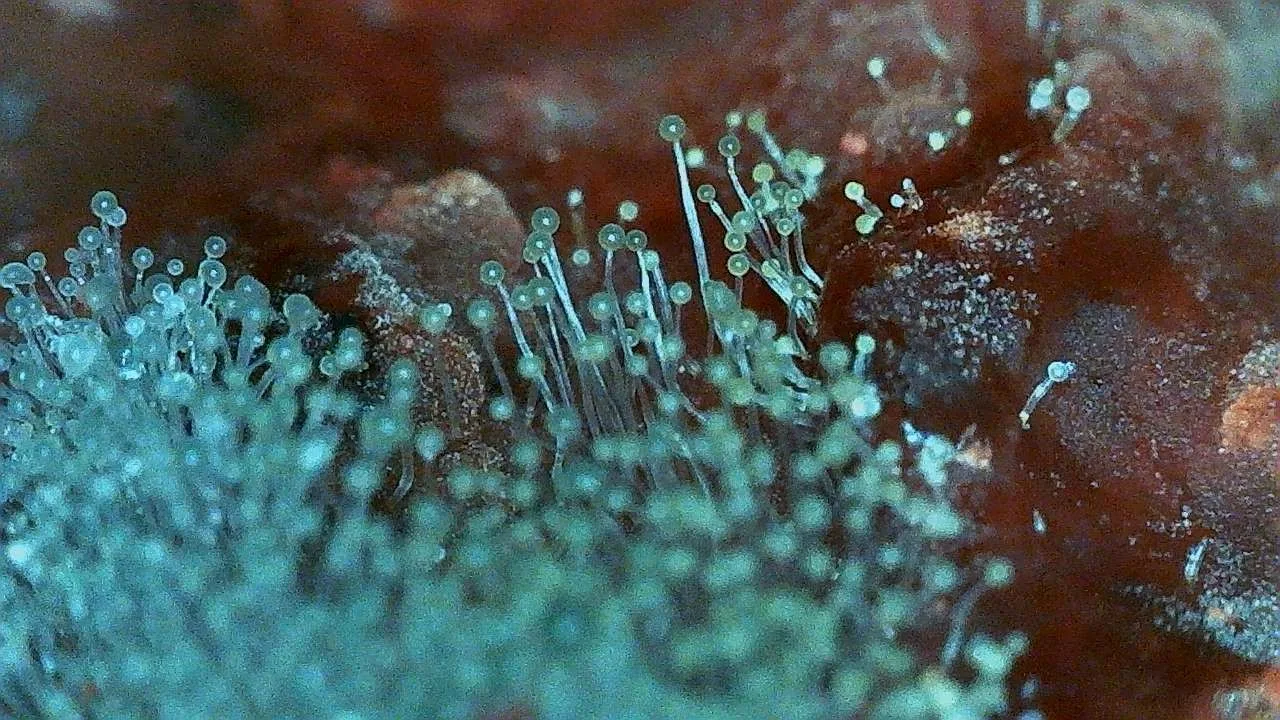
Saccharomyces cerevisiae on Grape Skins: Presence Is Not Residency

The yeast Saccharomyces cerevisiae plays a role in wine fermentation, but it is rarely found on intact grapes. A study describes grape skin as an unsuitable environment for this species to establish a stable presence: a specific case, not a general map of where yeasts live.

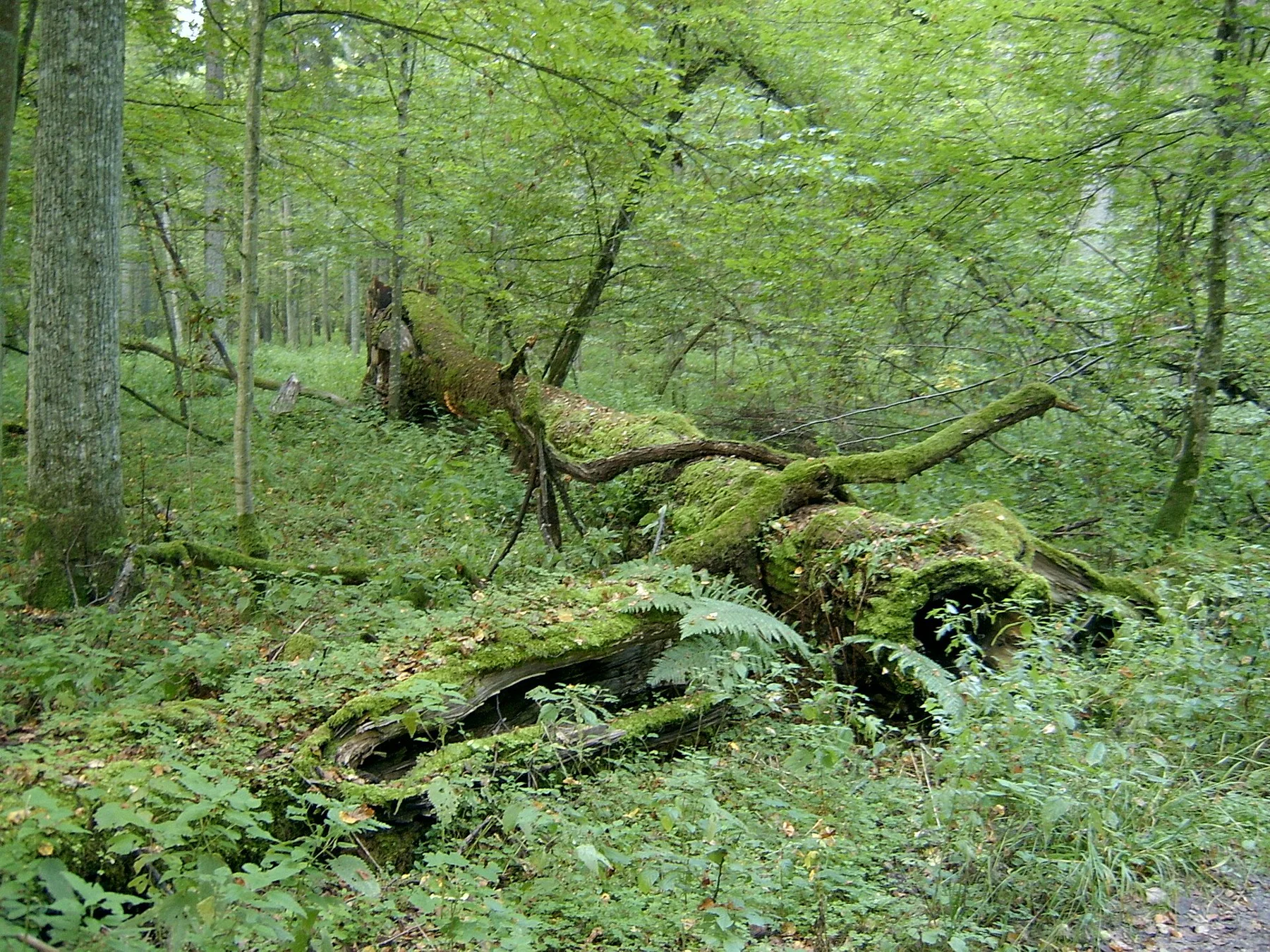
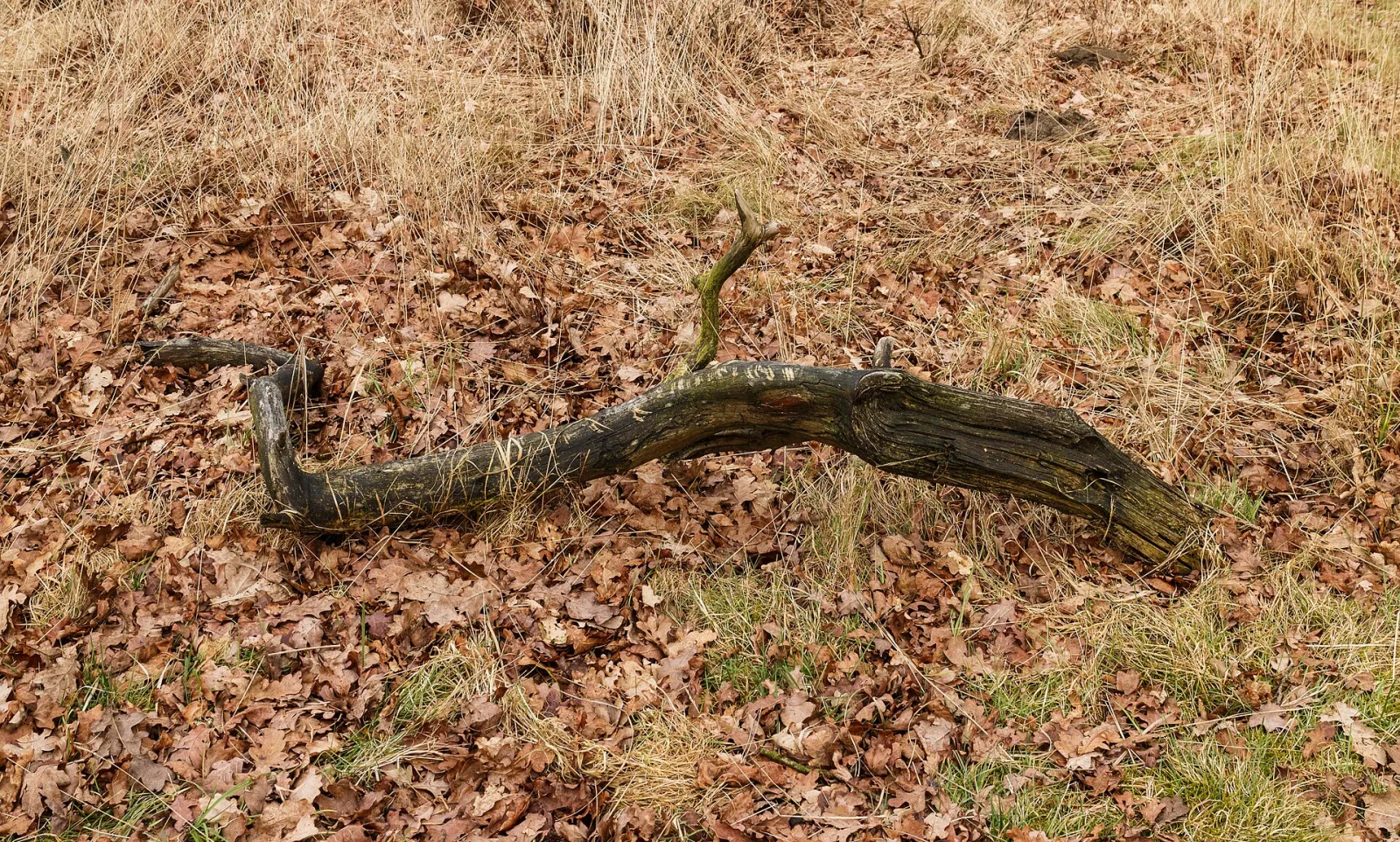
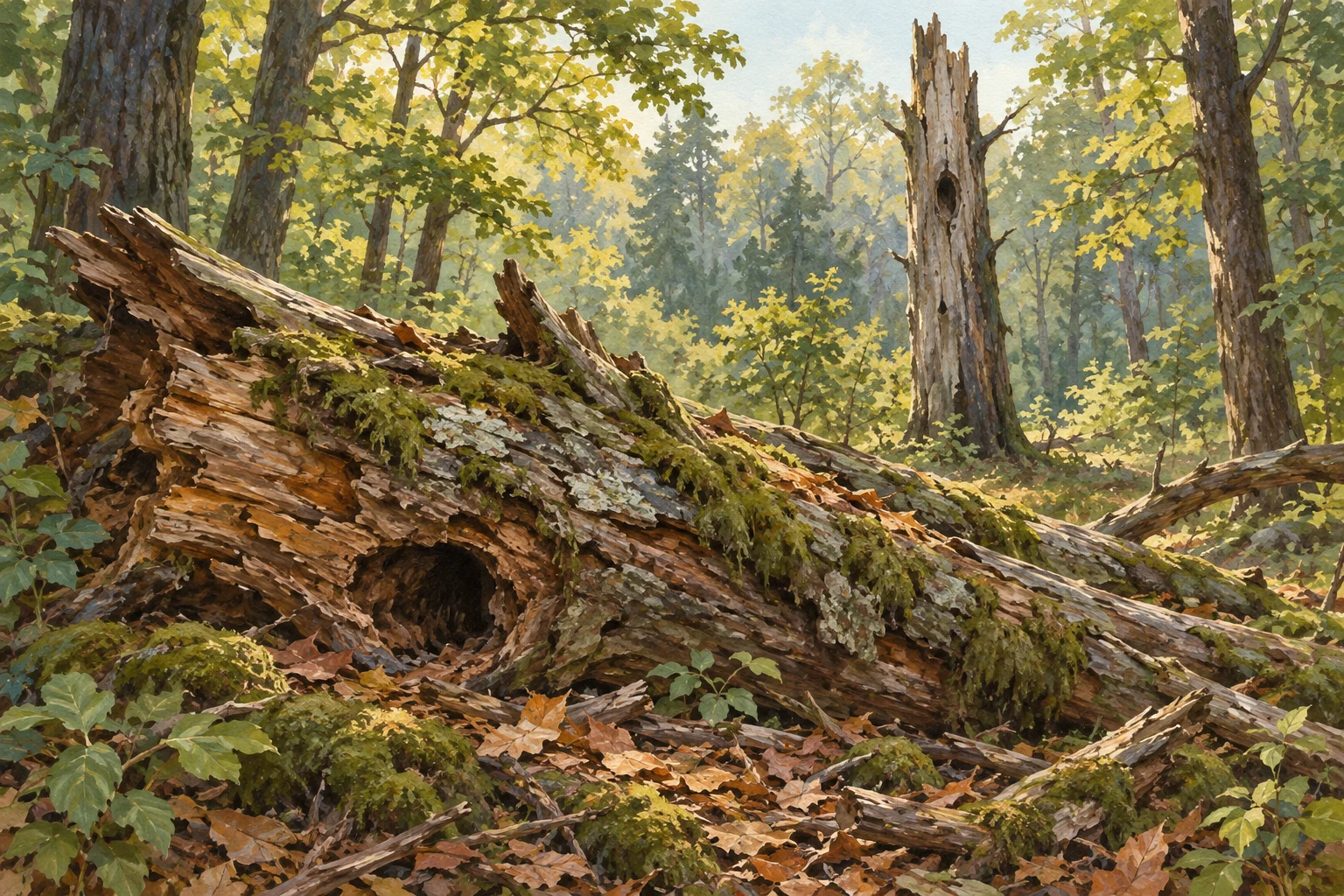
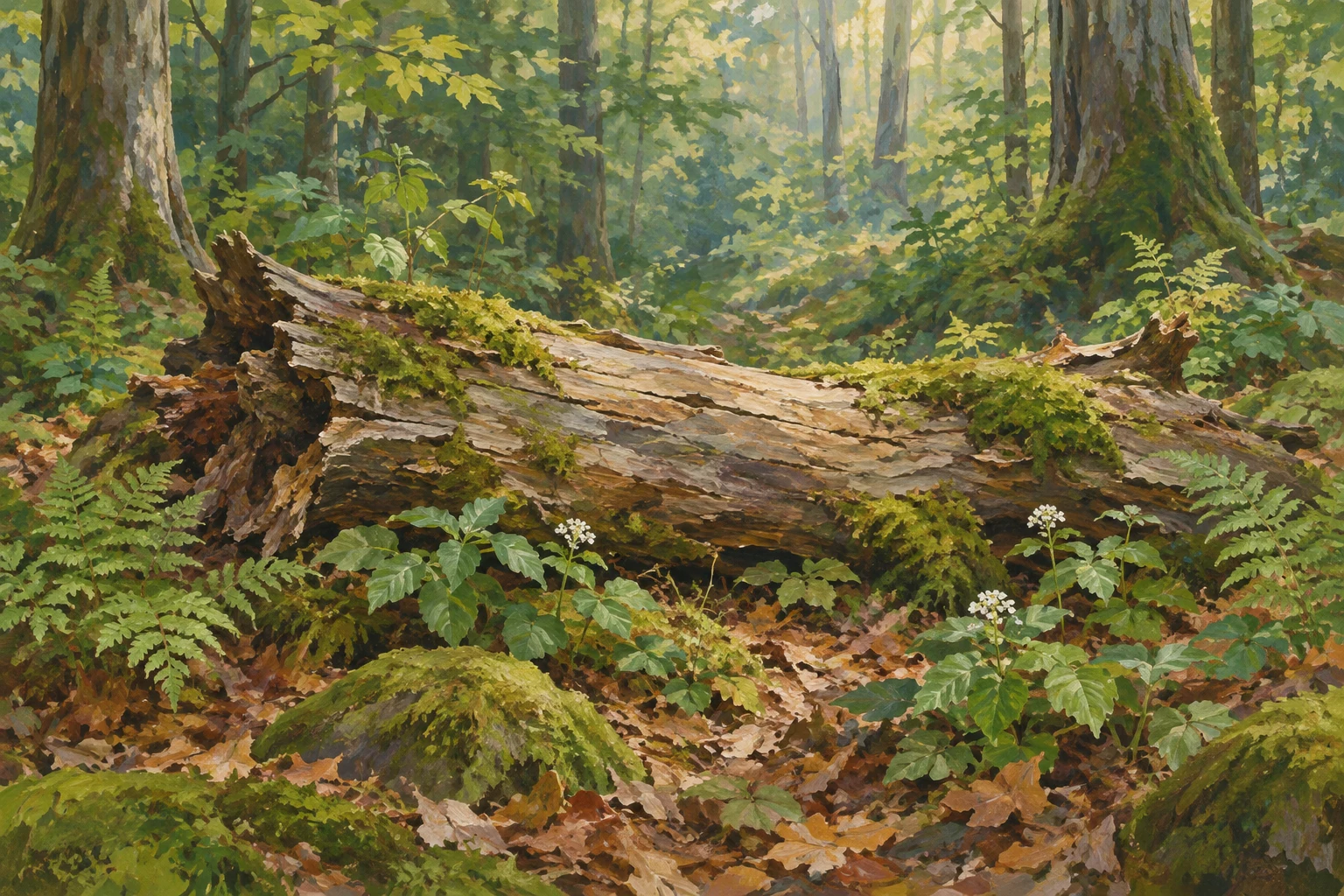
Documentary photograph: Signs of Life in Dead WoodDocumentary photograph Photo by Dominicus Johannes Bergsma Source: wikimedia_commons CC BY-SA 4.0 resized and converted to WebP

Collection · 3 min

Signs of Life in Dead Wood

Dead wood is not an empty setting: the collected sources describe it as habitat for diverse organisms. This collection compares three approaches—cryptogams, forest planning, and the fall of standing dead trees—without turning them into an identification guide or attributing findings that the available sources do not show.

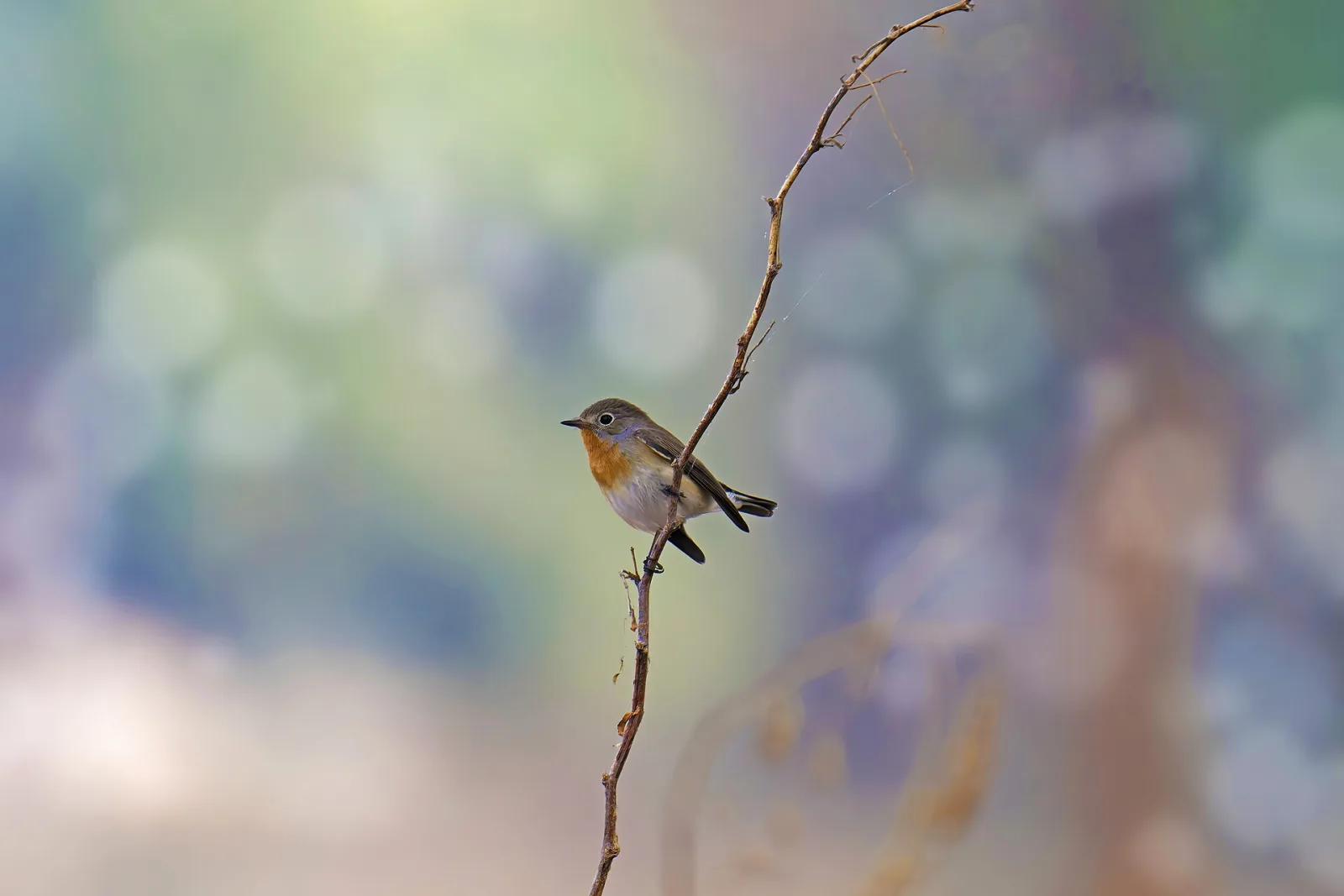
Documentary photograph: The Migratory Journey of Birds: Routes in a Changing WorldDocumentary photograph Photo by Shiv's fotografia Source: wikimedia_commons CC BY-SA 4.0 resized and converted to WebP

Explanation · 2 min

Finding Direction Against Drift: A Question Studied in Young Ospreys

Migration can take birds across geographic barriers and into changing weather conditions. A study of young ospreys raises the question of navigation during a transoceanic journey, but the information available here does not allow specific cues to be attributed to them or its results to be summarized.

Explanation · 2 min

In California wineries, fruit flies transport yeasts

A study at four wineries in the San Francisco Bay Area shows that fruit flies carry a variety of yeasts. The tests also reveal that attracting flies does not guarantee the same effect on their larvae.

Collection · 3 min

Dead Wood and Forest Organisms: A Collection of Studies, Not an Inventory

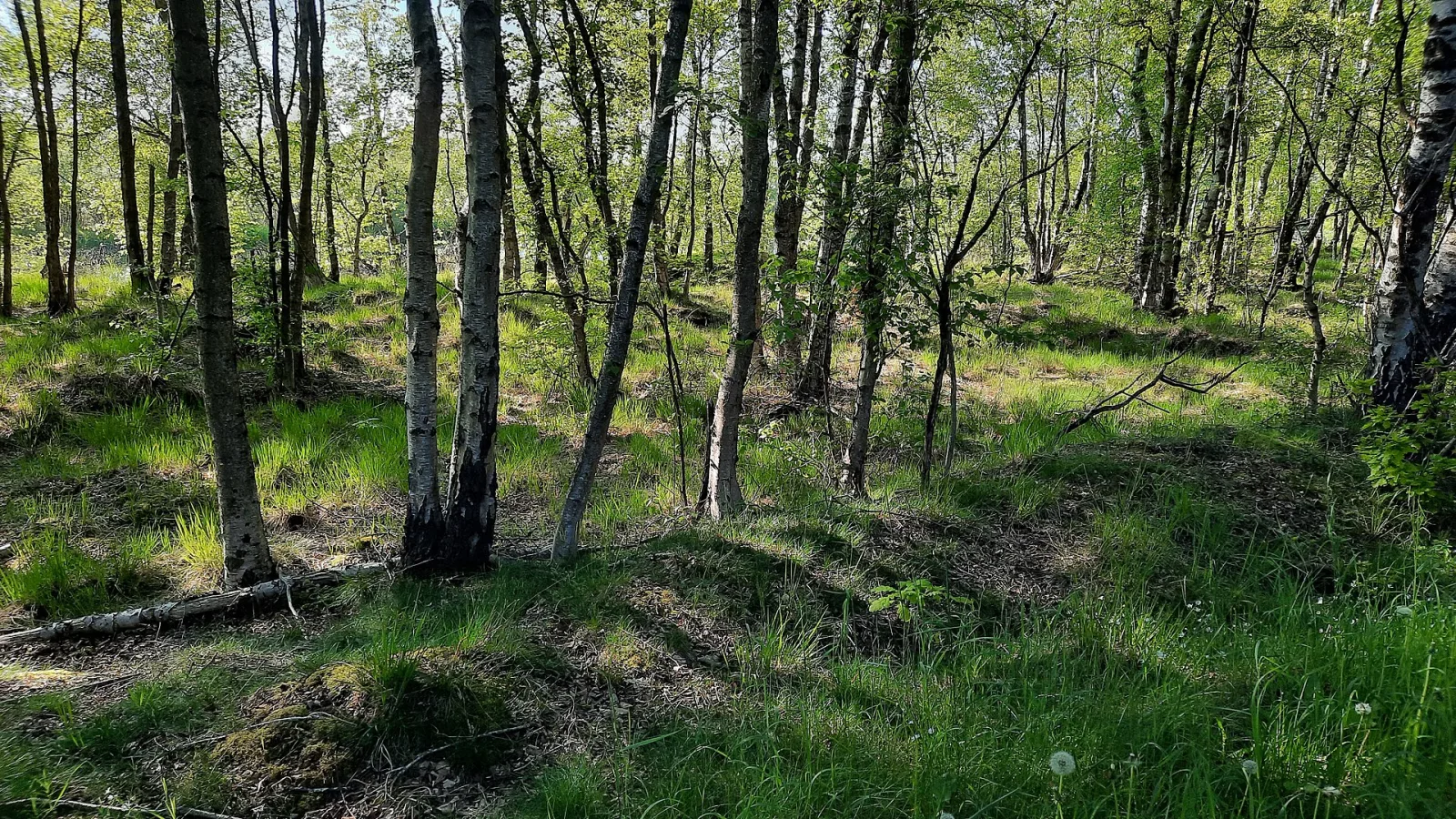
The available sources document relationships between organisms and dead wood in forests, not a list of species inhabiting a wetland edge. This limited collection brings together the contexts that appear in the records and distinguishes described findings from incomplete information.

AI-generated illustration: A quiet dawn meadow with wildflowers, soft grasses, and warm sunlight. Not a documentary photograph or scientific evidence.AI-generated illustration AI illustration for FaunaGuide Source: FaunaGuide · IA Provider terms

Explanation · 2 min

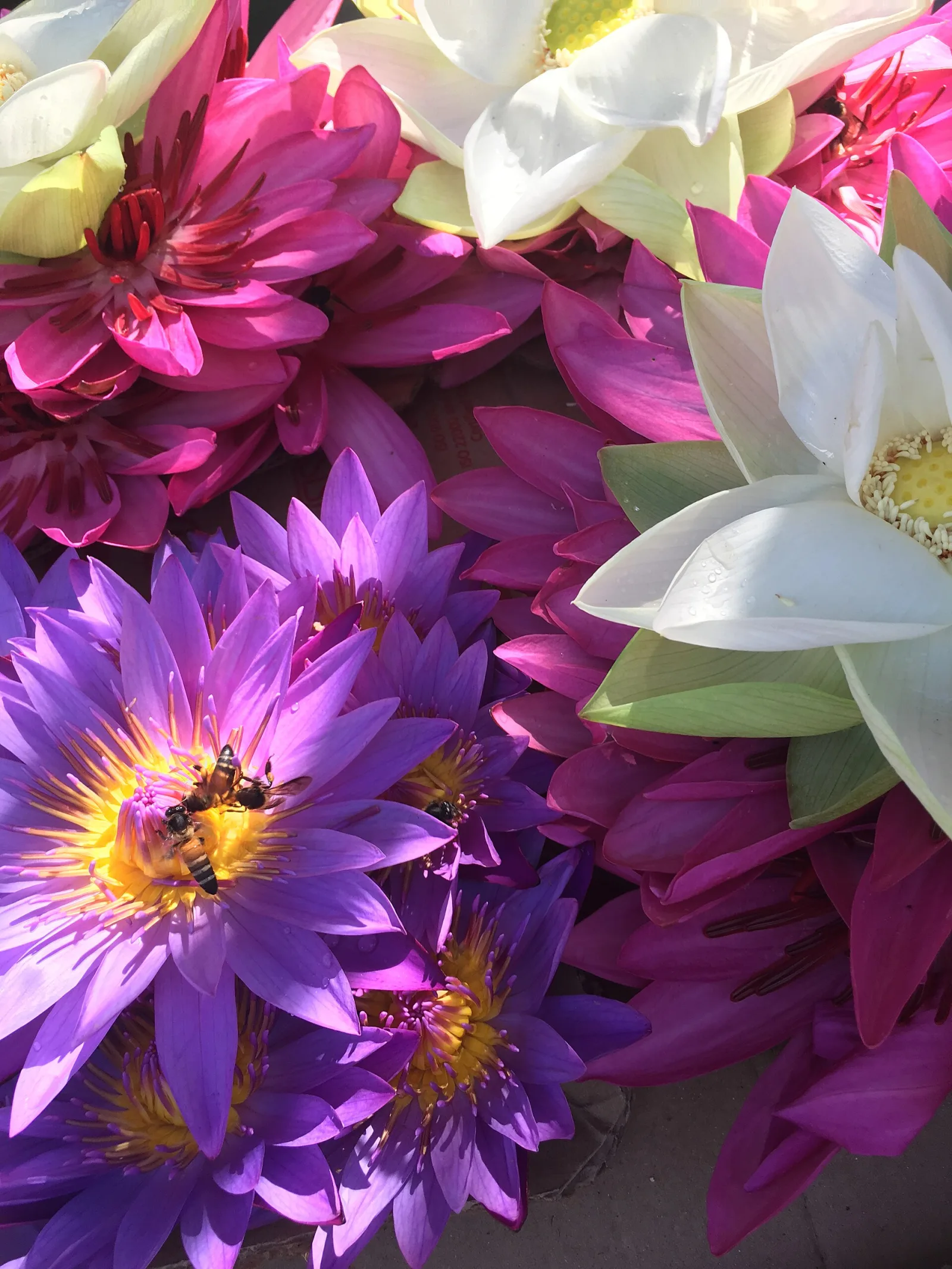
Foraging and pollination: what we know about bees

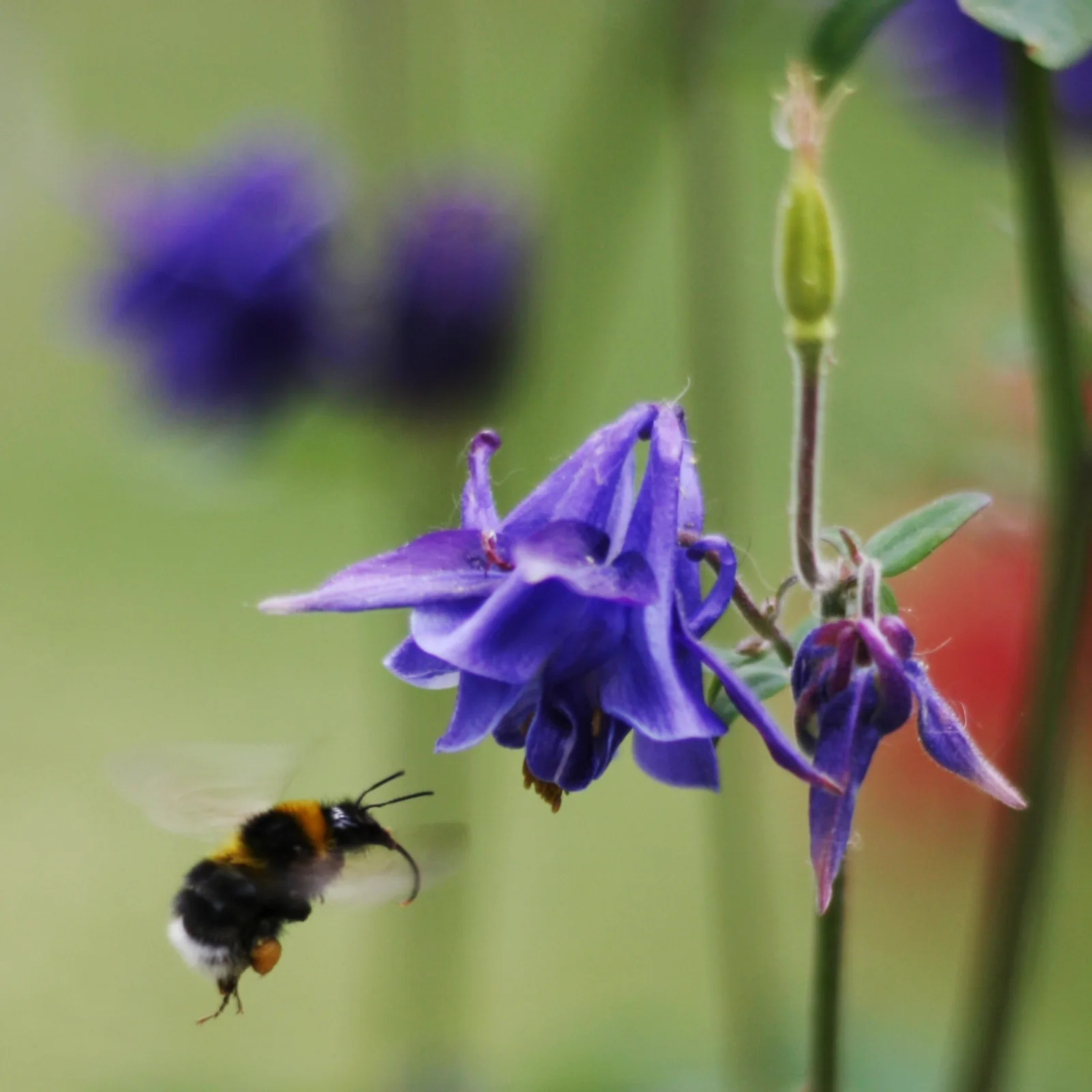
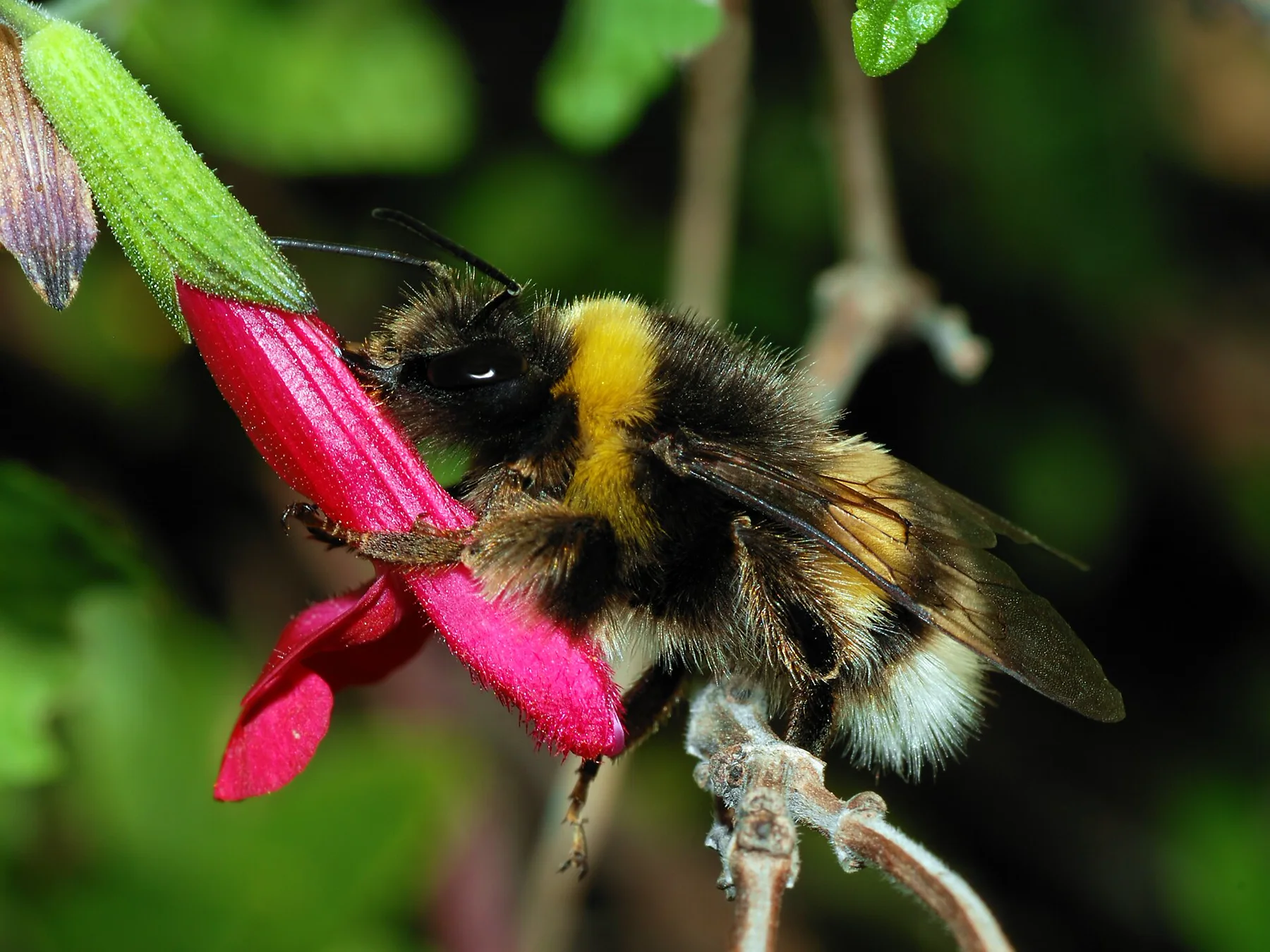
Food serves different functions for bees: nectar provides energy, while pollen provides protein and other nutrients. As bees transfer pollen between plants, they also contribute to pollination. The available evidence helps explain this connection, but does not allow us to reconstruct detailed foraging routines or extend them to all pollinating insects.

Report · 3 min

A Temporary Pond Beyond the Reach of These Sources

The available documentation records rainfall and nutrients in a Puerto Rican forest, but does not describe temporary ponds. This difference means their ecological cycles cannot be presented as established facts.

Questions-and-answers · 3 min

What distinguishes a floral visit from pollination?

An animal arriving at a flower is not enough to call it a pollinator: the difference is whether pollen actually moves from the anthers to the stigma. What can be concluded from observing a visit, and what requires more evidence.

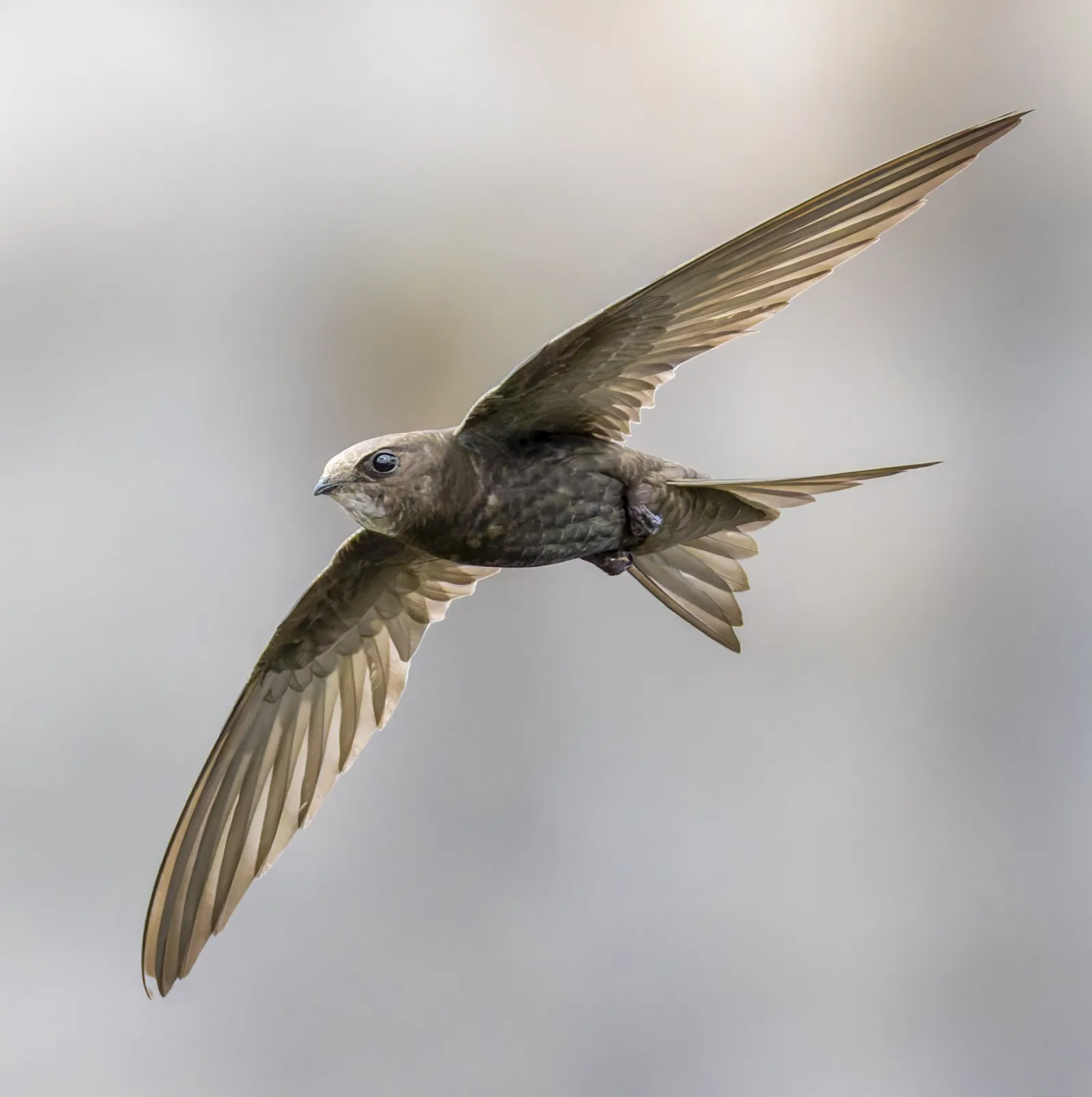
Documentary photograph: Common Swift and Common House Martin: What the Available Evidence Allows Us to Compare About Their NestsDocumentary photograph Photo by Alexis Lours Source: wikimedia_commons CC BY 4.0 resized and converted to WebP

Comparison · 3 min

Common Swift and Common House Martin: What the Available Evidence Allows Us to Compare About Their Nests

The topic proposes comparing the nesting sites of the Common Swift and the Common House Martin in Spanish towns and cities. However, the sources provided do not document such a comparison: they do not allow us to describe substrates, contrast preferences, or relate them to the availability of suitable sites.

Explanation · 2 min

Otter scent marking: what the sources allow us to say about Spain

The material reviewed confirms that a national assessment of the otter was published in 1990, but provides no information about where it marks, what it deposits, or what functions those signals serve. For now, those questions remain open.

Observation-guide · 2 min

How to Record Feeding Signs on Fruits and Seeds

An observation record can describe damage and remains without turning them into an identification. The available evidence documents insects feeding inside seeds and squirrels eating tree seeds, but it does not provide a general visual key for attributing a mark to an animal.

Observation-guide · 3 min

What Fallen Feathers Can Reveal—and What They Cannot Identify

A feather has observable features—shape, structure, and pattern—that can be compared with references. But a visual match alone does not amount to a confirmed identification. Here, we distinguish what can be described from what the available evidence does not allow us to attribute.

Documentary photograph: Freshwater Under the Microscope: Possible Inhabitants, Not an Inventory of a DropDocumentary photograph Photo by WEI, WAN-CHEN(魏琬臻) Source: wikimedia_commons CC BY-SA 4.0 resized and converted to WebP

Explanation · 2 min

Freshwater Under the Microscope: Possible Inhabitants, Not an Inventory of a Drop

A drop of freshwater does not have a universal roster of inhabitants. Sources describe groups that live in lakes and rivers—from photosynthetic microorganisms to zooplankton—but do not document what a particular drop contains. They also explain why a microscopic image, or a software program’s label, is not always enough to identify a species.

Explanation · 3 min

What can distinguish a plant cell from an animal cell

The cell wall, chloroplasts, and large central vacuole are useful clues when comparing plant and animal cells, but they are not an infallible checklist for identifying every sample. Cell type, organism, and what the microscope can resolve all matter.

Explanation · 3 min

At Dusk, Observe Without Intervening: Precautions and Limits

Dusk does not make all species nocturnal, nor does it guarantee sightings. Studies and park sources show different responses depending on the species, conditions, and surroundings. Here, recommendations are presented as prudent precautions, not as a guarantee of zero impact.

Natural-history · 3 min

How a Meadow Changes Through the Year: Two Examples from the Sierra Nevada

Snow, snowmelt, and the first shoots set the pace in two California mountain meadows. A National Park Service guide describes Cook’s Meadow in Yosemite; a scientific study examines Dana Meadow. Their findings complement one another, but they are neither an independent replication of the same place nor a universal calendar.

Observation-guide · 3 min

Temporary Ponds: What to Record as Water Levels Rise and Fall

An observation guide with no universal calendar: how to prepare a record and what to note when comparing water levels. The available evidence does not support describing a verified biological sequence from rainfall to drying.

Observation-guide · 3 min

How to Track Changes in an Urban Tree Without Disturbing Its Surroundings

A visual-recording guide, not an identification guide: observe from an accessible spot, note what changes, and keep description separate from explanation. The source package provides ecological context and an urban study on temperature, but does not validate a method for tracking leaves, flowers, or shoots.

Observation-guide · 2 min

Leaf damage: what can and cannot be measured

A mark on a leaf can be recorded as damage, but that alone is not enough to attribute it to an animal or distinguish its cause. A study of tropical plants compared methods for quantifying leaf damage and found different biases in visual and automated estimates. [3556]

Explanation · 1 min

Cilia and Pseudopodia: Two Forms of Cell Movement on a Microscopic Scale

Cilia and pseudopodia offer two distinct examples of locomotion described in microscopic organisms: in ciliates, cilia beat rhythmically; in amoebas, pseudopodia and cytoplasmic flow contribute to movement. The available evidence here does not reliably explain the mechanism of flagella or support a complete comparison of all three.

Observation-guide · 2 min

Flowering and climate: what a record can—and cannot—tell us

Flowering observations record a moment in the life cycle; patterns emerge when observations are brought together across broad scales. A USGS source describes records collected in the United States, but does not provide a protocol for comparing flowering across years or attributing a change to climate. [3002]

Research · 2 min

Two wild garlic species, two modeled climate responses in Central Asia

A study listed in its reference record as published on September 9, 2026, projected potential habitats for two Allium species in Central Asia. Its models suggest relative stability for A. karataviense and a reduction in suitable area for A. turkestanicum; these are not certain predictions of where the plants will grow.

Report · 2 min

The life that depends on old trees

A hollow trunk, a crack or a decaying branch can form part of a habitat. Old trees offer much more than a green canopy.

Research · 3 min

A Map of Forest Transitions in South Korea, Not Exact Boundaries

A study published on September 6, 2026, classified ecotones between vegetation and climate zones in South Korea’s temperate forests. Its map places these transition areas across about 29% of the area analyzed, but the publication date does not indicate when the data were collected, and the available sources provide no independent corroboration of the results.

Explanation · 2 min

A Salt Lagoon Alone Does Not Reveal the Limits of Life

At Vermelha Lagoon in Brazil, microbial mats were observed growing at some stations in a hypersaline ecosystem. This is evidence of activity at that site, not a measure of the maximum salinity those organisms can withstand: the available passage does not identify the mats or specify salt concentrations or survival tests. [5600]

Explanation · 2 min

What Homologous and Analogous Structures Allow Us to Compare

Comparing structures can raise two distinct questions: whether they share an evolutionary origin or whether their resemblance arose independently. The relevant sources available here are encyclopedia entries, not independent scientific studies; the definitions are therefore presented as attributions, not as a corroborated synthesis.

Observation-guide · 2 min

Wall geckos: observing at dusk

The Moorish gecko uses walls and buildings. Its activity patterns help plan a night-time record without lighting it up or attributing effects to artificial light.

Explanation · 2 min

Artificial light and nocturnal flight: what two studies show

Experiments on flight around lamps and field studies in Great Britain document different effects of artificial light; their findings describe specific organisms and contexts, not a universal response by all nocturnal insects.