A ray-finned bony fish in the order Anguilliformes and family Anguillidae.
European eel
Anguilla anguilla
The dorsal, caudal and anal fins form a continuous strip; pelvic fins are absent.
Open profileFrom behaviour to conservation
Identify species, understand how they live and discover the relationships connecting each animal to its environment.
Profiles to begin with
Essential information first; context, relationships and sources when you want to go deeper.
Anguilla anguilla
The dorsal, caudal and anal fins form a continuous strip; pelvic fins are absent.
Open profileAraneus diadematus
Abdomen with pale cross-shaped markings and a silk orb web.
Open profileArmadillidium vulgare
Gray, segmented body with plates that can roll into a ball when disturbed.
Open profileAsterias rubens
It can shed arms through defensive autotomy; mutable collagenous tissue is involved at the separation site.
Open profileSalmo trutta
Spindle-shaped body; brown or olive back, dark and reddish spots on the head and flanks, and a light-colored belly.
Open profileBufo bufo
In the specimens investigated in Switzerland, BfHV1 was associated with proliferative dermatitis; molecular testing also detected it in some individuals without lesions visible to the naked eye.
Open profileCarcinus maenas
It has a carapace wider than it is long, five spines on each side of the front edge beside the eyes, and claws on the first pair of legs.
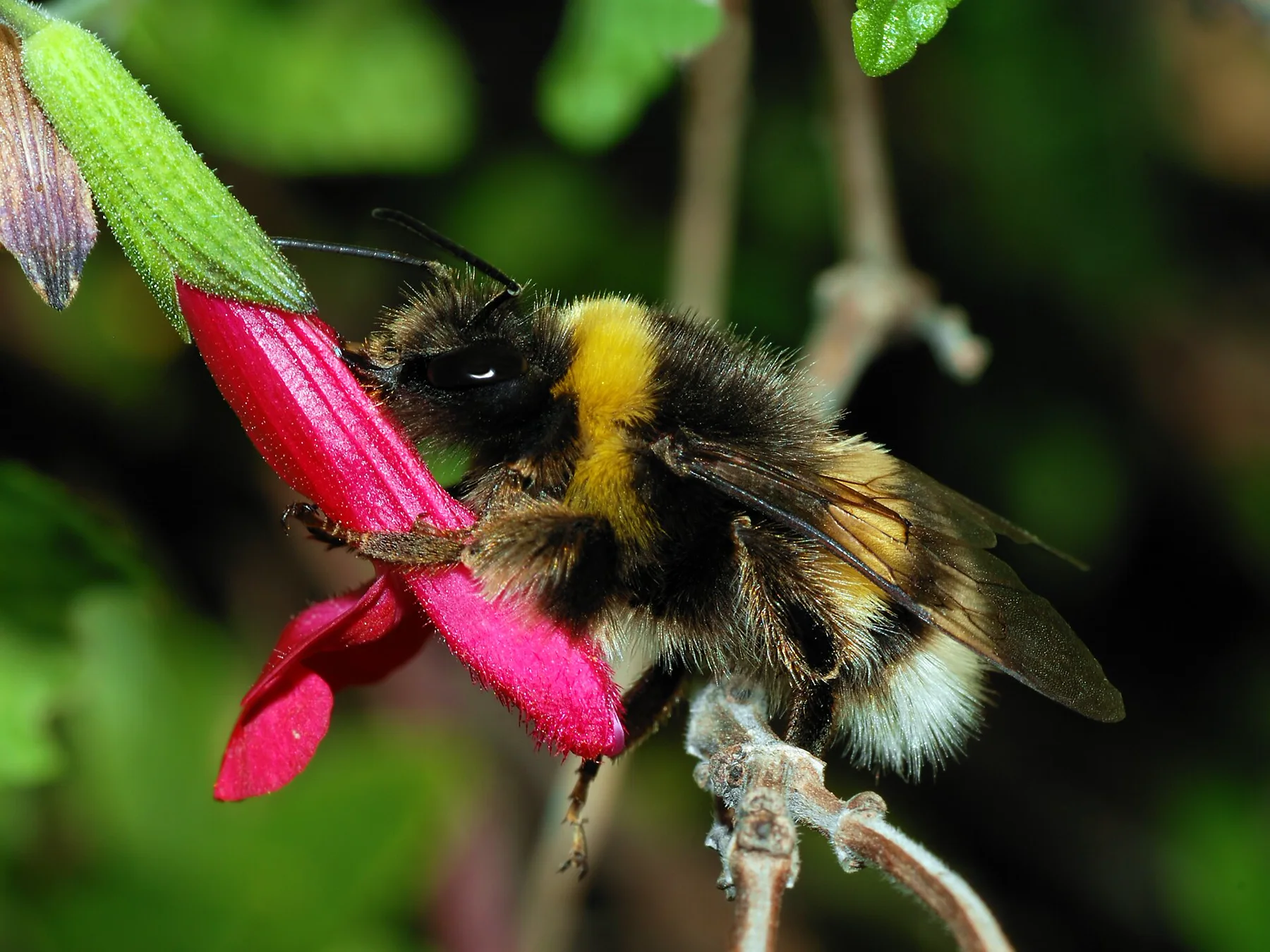
Open profileBombus terrestris
Body with black hairs, yellow bands on the pronotum and second abdominal segment, and white to beige hairs on the terminal segments.
Open profileNatrix natrix
Colour varies between individuals and populations.
Open profileOctopus vulgaris
It has eight arms with suckers, a beak, and a radula; it can rapidly change the color of its skin.
Open profilePodarcis muralis
It has variable dorsal coloration, often with black dots and dark lateral bands; the throat has a black reticulated pattern and the belly may be whitish or reddish.
Open profileCryptosaccus asturiensis
Endemic to the Iberian Peninsula; documented in the Ubiñense-Picoeuropeano sector (Somiedo valley to Picos albos).
Open profileCryptospiza jacksoni
It is endemic to the Albertine Rift.
Open profileCryptospiza reichenovii
Males defend territories of approximately 0.8 hectares and are aggressive towards unfamiliar conspecifics.
Open profileCryptothele alluaudi
It has a pattern on the carapace and very little soil camouflage on the body.
Open profileCryptotis brachyonyx
It is characterized by short claws on the forelimbs, the feature that gives it its specific name.
Open profileCryptotis endersi
Head and body length of 81 mm, tail of 49 mm and hind foot of 15 mm (based on a single specimen).
Open profileCryptotis goldmani
Shrew of the family Soricidae endemic to southern Mexico and Guatemala, described by Merriam in 1895.
Open profileCryptotomus roseus
Elongated body, incomplete beak, and nocturnal burrowing behavior.
Open profileCryptotora thamicola
Walks with a diagonal-couplets lateral sequence gait, similar to that of tetrapods.
Open profileCryptotrema seftoni
Habitat in rocky reefs at depths greater than 28 meters
Open profileCryptotriton alvarezdeltoroi
Endemic to the sierras of northern Chiapas, Mexico, near Tapilula and Jitotol.
Open profileCryptotriton nasalis
Small salamander; reported snout–vent length is 24–32 mm in males and 28–35 mm in adult females.
Open profileCryptotriton sierraminensis
Endemic to the Sierra de las Minas, Guatemala.
Open profileCryptotriton veraepacis
Total length of the holotype male: 68.0 mm
Open profileCtenoblepharys adspersa
It is an oviparous lizard that digs burrows up to one meter in length.
Open profileCtenophorus adelaidensis
*Ctenophorus adelaidensis*, known as the western scrub dragon, is an agamid lizard that inhabits sandy plains with scrub and *Banksia* along the lower west coast of Australia, between Kalbarri and Perth.
Open profileHomarus gammarus
Large, slightly unequal claws; slightly granular body without large spines or ridges.
Open profileErithacus rubecula
Adults have a brown back, whitish underside, and reddish face and breast; juveniles are mottled and lack the red breast.
Open profileCornu aspersum
A snail with a rounded shell and a variable pattern of brown bands and mottling.
Open profileLacerta agilis
Coloration and pattern vary; dark spots with pale centers are common, and males have green flanks during the breeding season.
Open profileLumbricus terrestris
A reddish-brown segmented body, with up to about 150 rings and a clitellum between segments 32 and 37.
Open profileParus major
Contrasting plumage: black head, white cheeks, yellow breast with a black band, and olive-green back; the band is usually broader in males.
Open profilePholcus phalangioides
It has eight eyes; its body is pale and almost translucent, and its legs are usually five to six times the length of its body.
Open profileRana temporaria
It has a compact body without an adult tail, a broad head and powerful hind legs for jumping and swimming.
Open profileSalamandra salamandra
The black pattern with yellow or orange markings is highly variable; the parotoid glands are visible, and the body lacks dorsal and caudal crests.
Open profileVulpes vulpes
A slender canid with an elongated muzzle, a long, bushy tail, and variably colored fur.
Open profileRelated reading
 Documentary photograph
Photo by
Alvesgaspar
Source: Wikimedia Commons
CC BY-SA 3.0
resized and converted to WebP
Documentary photograph
Photo by
Alvesgaspar
Source: Wikimedia Commons
CC BY-SA 3.0
resized and converted to WebP
Relationships between species · 3 min
Nectar, pollen, fruit and seeds connect stories that at first seem independent.
 Documentary photograph
Photo by
cottonbro studio
Source: Pexels
Pexels License
resized and converted to WebP
Documentary photograph
Photo by
cottonbro studio
Source: Pexels
Pexels License
resized and converted to WebP
Life near you · 3 min
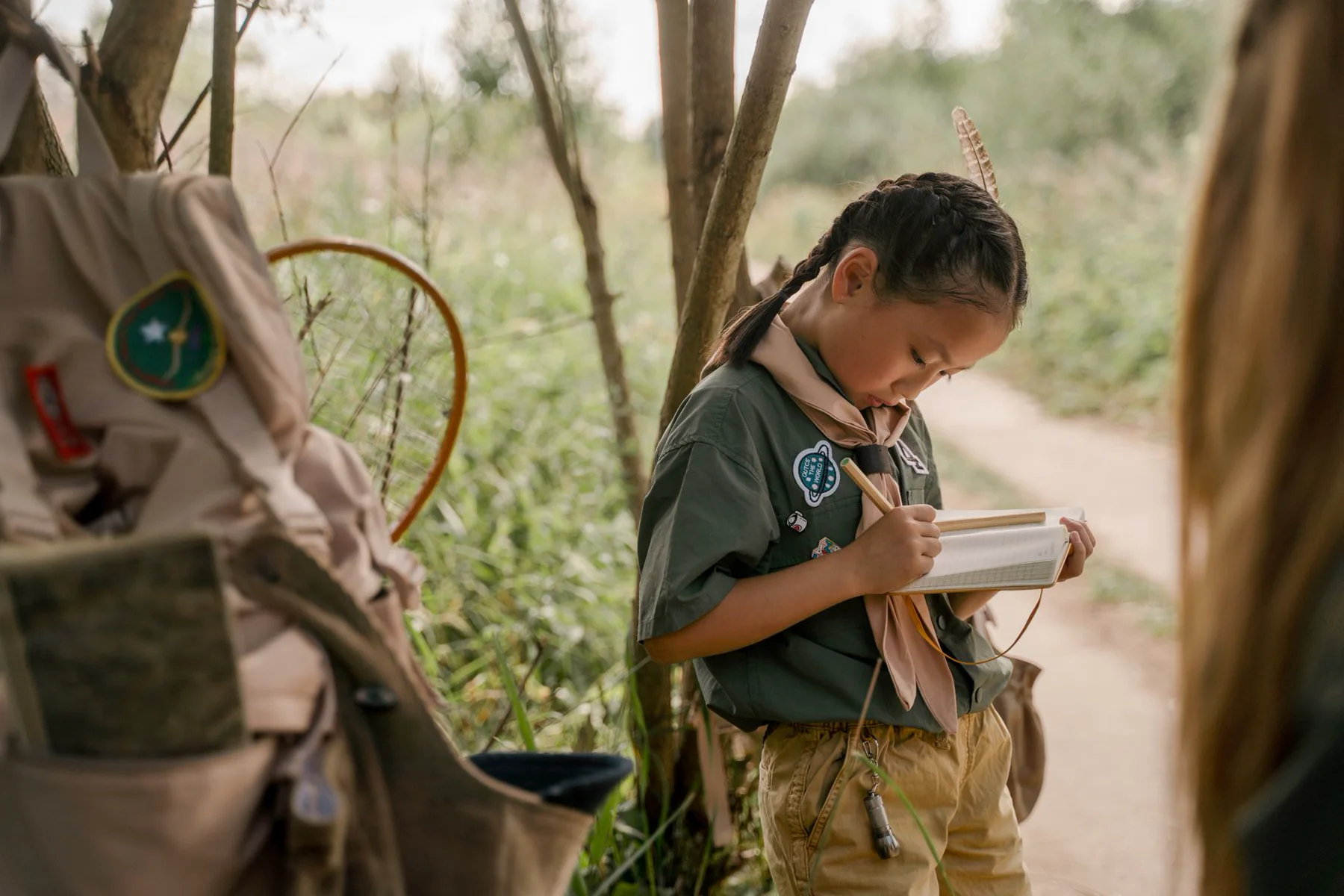
A date, a place, some context and one simple question are enough to begin seeing differently.