Observe

Learn to notice nature

Guides to recognise signs, listen and record changes without disturbing organisms. Choose a reading or compare published species profiles.

Observe

Field guides

Observation-guide · 2 min

How to Record Feeding Signs on Fruits and Seeds

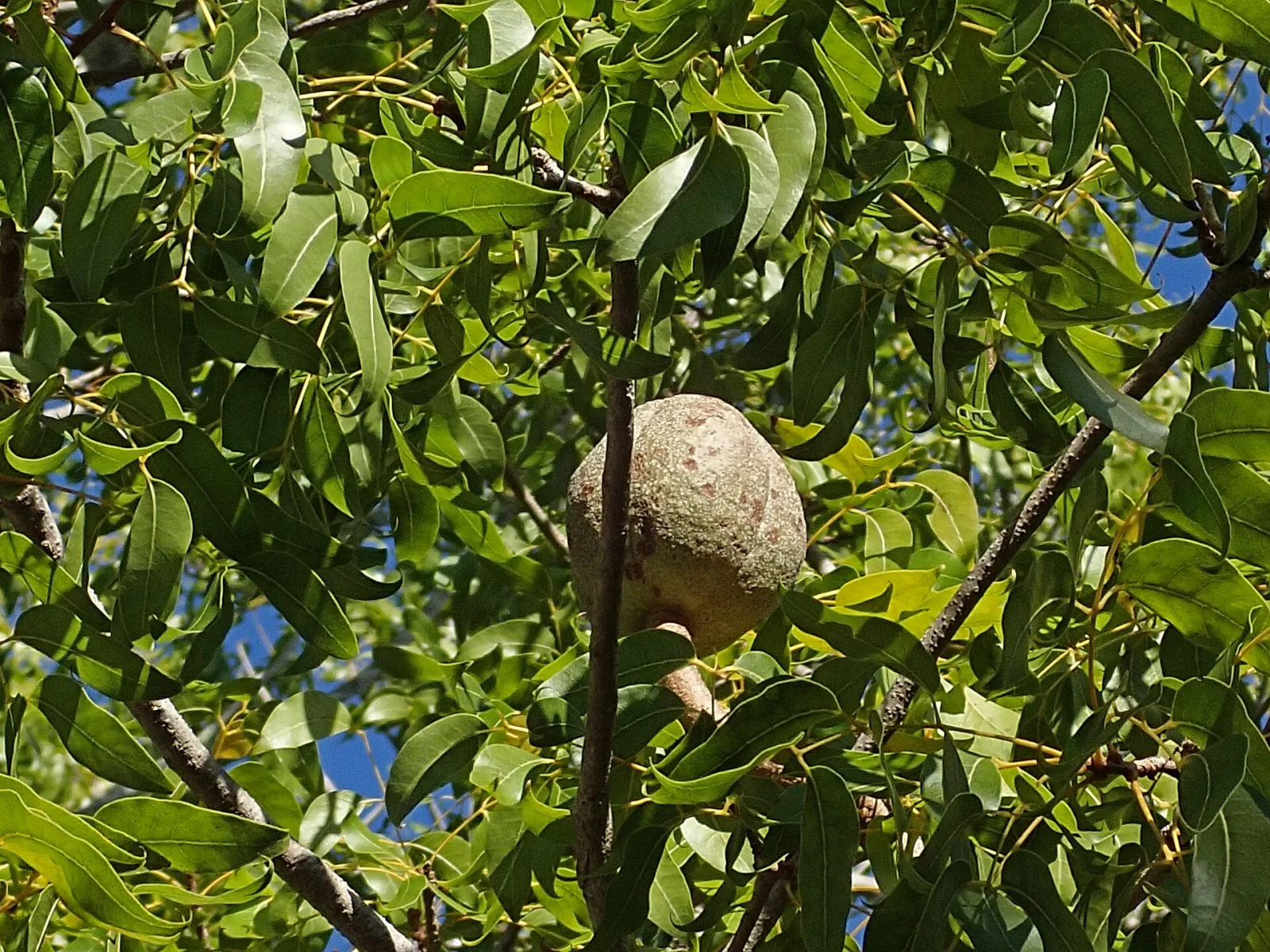
An observation record can describe damage and remains without turning them into an identification. The available evidence documents insects feeding inside seeds and squirrels eating tree seeds, but it does not provide a general visual key for attributing a mark to an animal.

Observation-guide · 3 min

What Fallen Feathers Can Reveal—and What They Cannot Identify

A feather has observable features—shape, structure, and pattern—that can be compared with references. But a visual match alone does not amount to a confirmed identification. Here, we distinguish what can be described from what the available evidence does not allow us to attribute.

Explanation · 3 min

At Dusk, Observe Without Intervening: Precautions and Limits

Dusk does not make all species nocturnal, nor does it guarantee sightings. Studies and park sources show different responses depending on the species, conditions, and surroundings. Here, recommendations are presented as prudent precautions, not as a guarantee of zero impact.

Observation-guide · 3 min

Temporary Ponds: What to Record as Water Levels Rise and Fall

An observation guide with no universal calendar: how to prepare a record and what to note when comparing water levels. The available evidence does not support describing a verified biological sequence from rainfall to drying.

Observation-guide · 3 min

How to Track Changes in an Urban Tree Without Disturbing Its Surroundings

A visual-recording guide, not an identification guide: observe from an accessible spot, note what changes, and keep description separate from explanation. The source package provides ecological context and an urban study on temperature, but does not validate a method for tracking leaves, flowers, or shoots.

Observation-guide · 2 min

Leaf damage: what can and cannot be measured

A mark on a leaf can be recorded as damage, but that alone is not enough to attribute it to an animal or distinguish its cause. A study of tropical plants compared methods for quantifying leaf damage and found different biases in visual and automated estimates. [3556]

Observation-guide · 2 min

Flowering and climate: what a record can—and cannot—tell us

Flowering observations record a moment in the life cycle; patterns emerge when observations are brought together across broad scales. A USGS source describes records collected in the United States, but does not provide a protocol for comparing flowering across years or attributing a change to climate. [3002]

Observation-guide · 2 min

Wall geckos: observing at dusk

The Moorish gecko uses walls and buildings. Its activity patterns help plan a night-time record without lighting it up or attributing effects to artificial light.

Explanation · 2 min

Artificial light and nocturnal flight: what two studies show

Experiments on flight around lamps and field studies in Great Britain document different effects of artificial light; their findings describe specific organisms and contexts, not a universal response by all nocturnal insects.