Relationships between species
The invisible conversation between flowers, insects and birds
Nectar, pollen, fruit and seeds connect stories that at first seem independent.
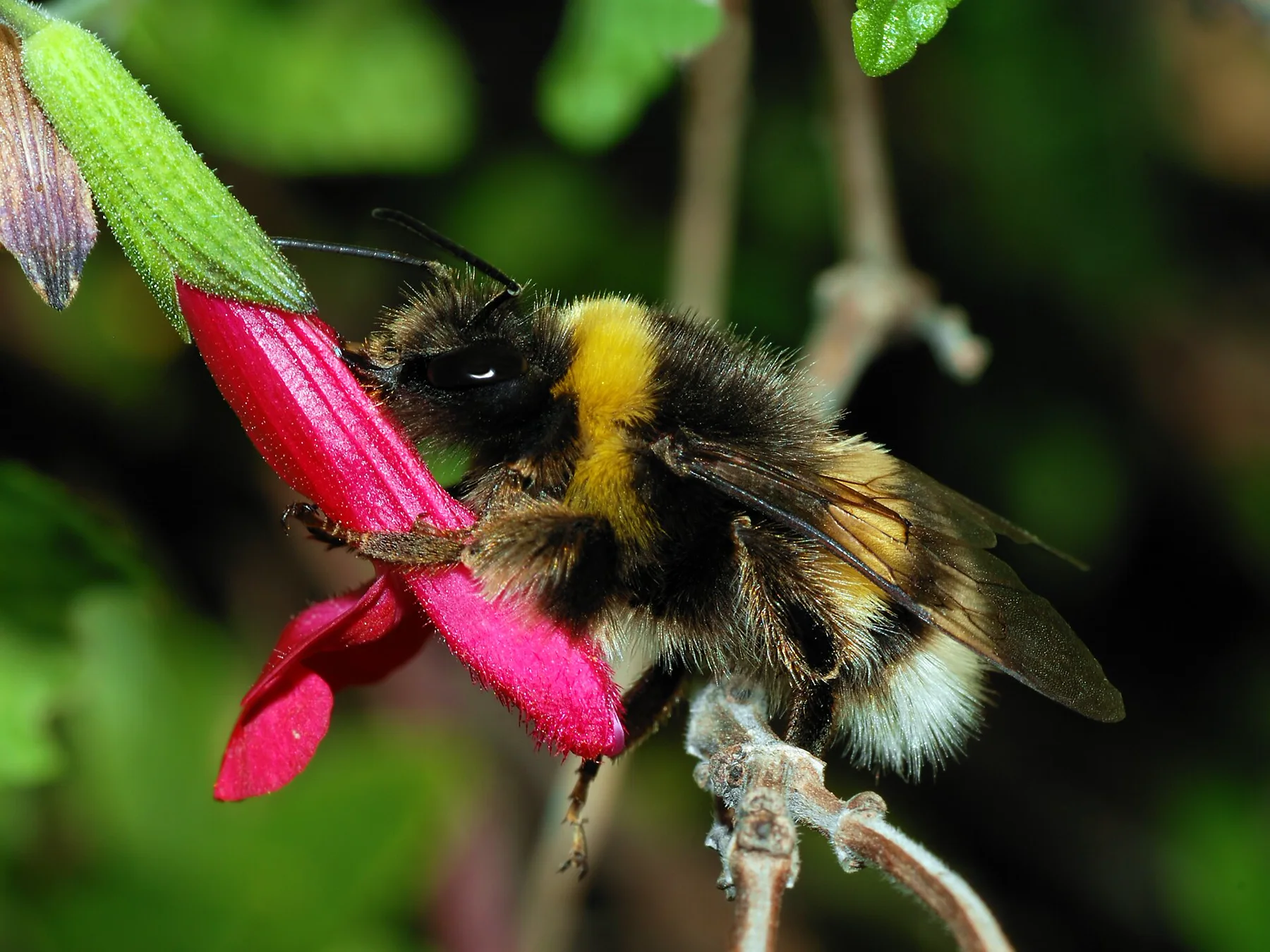
One small scene, several stories
An insect lands on a flower while, nearby, a bird eats a fruit. Both scenes may relate to plant reproduction, but they describe different processes. The first may involve pollen transfer; the second may involve seed dispersal. Treating them as the same event hides the complexity of the relationship.
The flower offers resources such as nectar or pollen, and the visitor seeks food. A visit alone does not show that pollination occurred. Which structures the animal touches, and where the pollen goes next, matter.
What happens in pollination
Pollination moves pollen to a receptive surface of a compatible flower. Further steps are needed before seeds and fruits form. Some plants self-pollinate, some rely on wind or water, and many are assisted by animals. There is no single mechanism for every flower.
Bees, flies, butterflies, beetles and, for certain plants and regions, birds or mammals can carry pollen. The US National Park Service explains how floral visitors seek resources while pollen may attach to their bodies in different ways.
A floral visit is not always effective pollination
An animal can take nectar without contacting reproductive parts, or arrive carrying pollen from a different plant species. ‘I saw a visit’ and ‘I confirmed successful pollination’ are not equivalent claims. Demonstrating a reproductive effect requires more than one photograph.
Flower shape, opening time and access to resources influence who can visit and how. They are clues for asking better questions, not infallible rules for naming a pollinator from petal colour alone.
A network that changes with place and season
Plants do not all flower at once, and visitors are not active throughout the year. Flowers, shelter and breeding sites influence the interactions we can observe. IPBES assessments emphasise the diversity of wild pollinators and plant–pollinator networks, rather than only one managed species.
That does not mean every visitor is essential everywhere. Climate, landscape and the local mix of species matter, so a result from one region should not be applied automatically to another.
From fruit to bird: a different process
Some plants produce fruits that attract birds and other animals. An animal that eats fruit and carries viable seeds elsewhere may disperse those seeds. Other seeds travel by wind, water, gravity or on the outside of an animal.
A seed-dispersing bird is not automatically a pollinator of the same plant. Fruit-eating birds are often easier to observe in Europe, while nectar-feeding birds pollinate some plants elsewhere. Keeping the functions separate helps describe what actually happened.
A fifteen-minute observation
Watch a small patch of flowers from a distance that does not disturb visitors. Note the plant if you know it, the time, weather and number of different visitors. Describe whether they take nectar, collect pollen or merely land; do not assign an unseen function. Repeat on another day, but do not turn two visits into a general trend.
If fruit is nearby, note which animals eat it and what they do with it. A bird carrying fruit suggests a dispersal hypothesis, not proof that a seed later germinated.
Care for the relationship, not just the photograph
A variety of locally appropriate plants, flowering times and shelter can support the resources these animals use. Do not call every insect a bee or every floral visit a reproductive success. Precision makes the scene more interesting, not less beautiful.
Next time you see a flower, look beyond its colour. Who visits, what do they gain, which parts do they touch, and what might happen to the fruit and seeds? Those questions connect plants, insects and birds without confusing their roles.
Sources and method
This story synthesises the references below and separates possible observations from conclusions that would need more evidence. It does not present original FaunaGuide fieldwork or replace expert identification.
- Assessment Report on Pollinators, Pollination and Food Production — Pollinator diversity and plant–pollinator networks
- About Pollinators — Basic mechanisms of animal pollination
- How plants hitchhike on animal poo — Animal-mediated seed dispersal