Explanation
White rot and brown rot: two patterns described in wood
A Kew source contrasts two appearances of decomposed wood: pale, soft fibres in white rot and reddish, cube-shaped fragments in brown rot. The available sources describe these patterns, but are not sufficient to explain their mechanisms or identify the fungi as moulds.
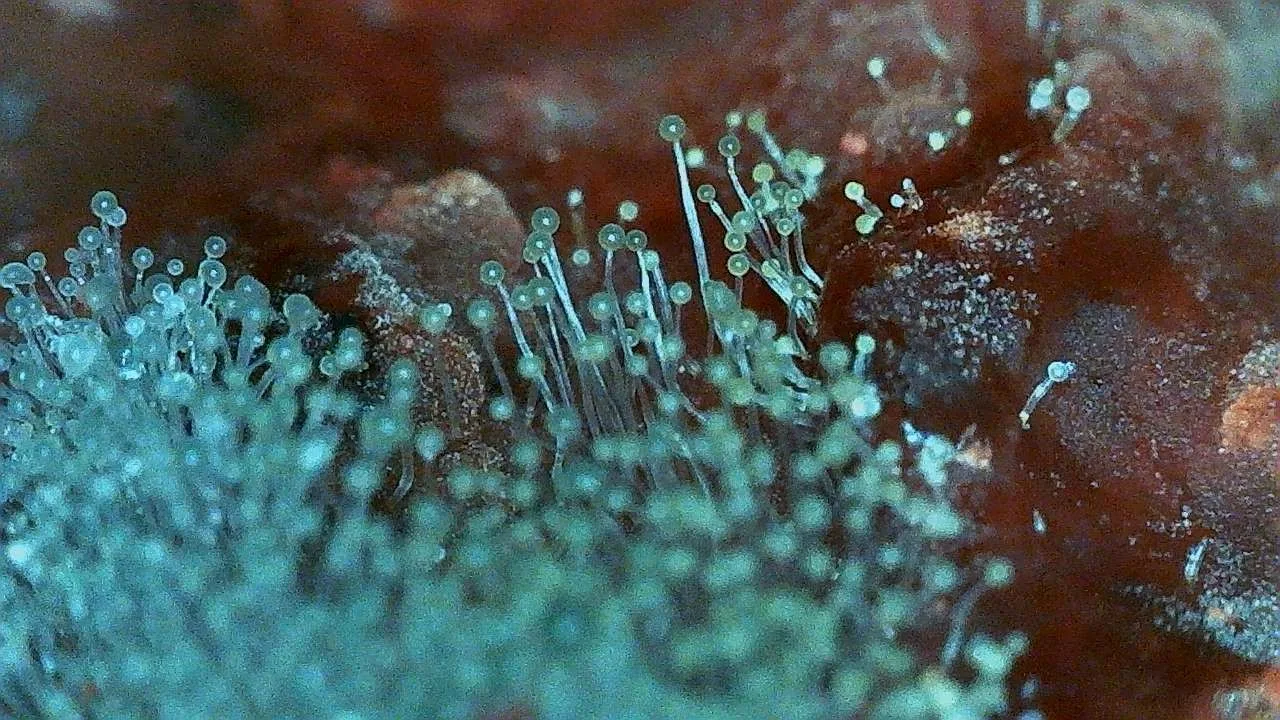
What the evidence supports
This article is limited to examples of wood decomposition and studies of forest decomposition. The visual description comes from a Kew text; another source records research on communities of wood-degrading fungi. As presented in the available material, neither reference allows these examples to be presented as our own observations or the fungi to be identified specifically as moulds.
Patterns described, not observed here
Kew suggests looking at the appearance of rotted wood: it associates white rot with pale, soft fibres that break apart, and brown rot with reddish, cube-shaped fragments that collapse. These are examples described by that source, not a guide to diagnosing any log: the text provided does not establish that these features are universal or sufficient to identify the organisms involved.
What other studies investigate
A US Forest Service record describes a peer-reviewed study relating communities of wood-degrading fungi to decomposition rates, using a long-term experimental manipulation of dead wood and canopy gaps. The available excerpt reports the study's approach, but does not provide detailed results that could confirm the visual patterns described by Kew.
Decomposition can vary with context
A separate study, conducted in a temperate montane forest dominated by European beech, examined ectomycorrhizal fungi and the decomposition of leaf litter and soil organic matter. By reducing the trees' carbon input through girdling, the authors observed changes in fungal activity; the effect on decomposition depended on fertility: it slowed under poor conditions and accelerated under fertile conditions. This is a finding about that system and those fungi, not an explanation of white rot or brown rot.
What remains unexplained
Differences in colour and texture are descriptive patterns; the available sources do not detail the processes that produce these features or establish the specific fate of carbon in each type of rot. For that reason, no mechanism is proposed here and these types are not attributed to moulds. The evidence allows descriptions to be compared and questions to be defined, but does not resolve them.
Sources and method
This story synthesises the references below and separates possible observations from conclusions that would need more evidence. It does not present original FaunaGuide fieldwork or replace expert identification.
- Sealing and unsealing effect of filamentous fungi in CEM I cement mortars with polycarboxylic admixture. — Sealing and unsealing effect of filamentous fungi in CEM I cement mortars with polycarboxylic admixture - PMC Biodeterioration may take place due to the influence of microorganisms, leading to the deterioration or destruction of materials. This process in
- Soil fertility determines whether ectomycorrhizal fungi accelerate or decelerate decomposition in a temperate forest. — Soil fertility determines whether ectomycorrhizal fungi accelerate or decelerate decomposition in a temperate forest - PMC Ectomycorrhizal (ECM) fungi can both accelerate and decelerate decomposition of organic matter in forest soils, but a mechanistic un
- Three-Dimensional Printing of Living Mycelium-Based Composites: Material Compositions, Workflows, and Ways to Mitigate Contamination. — Three-Dimensional Printing of Living Mycelium-Based Composites: Material Compositions, Workflows, and Ways to Mitigate Contamination - PMC The construction industry makes a significant contribution to global CO2 emissions. Material extraction, processing,
- Humus form — Humus form is the features of the topsoil and plant litter in a biome, such as mull humus form in deciduous forest or mor humus form in coniferous forest. Dead organic matter, such as leaves, decomposes into humus. Sometimes soil animals mix underlying mi
- How fungi will save the world | Kew — How fungi will save the world | Kew There's thousands of diverse species, living in every habitat on the planet, and we've only just scratched the surface. But fungi might be the secret weapon in helping fight disease, plastic pollution and climate change
- Rotten to the core: fungi, decay, and the architecture of life | Grow Wild | Kew — Rotten to the core: fungi, decay, and the architecture of life 20 May 2026 Rotten to the core: fungi, decay, and the architecture of life The remarkable story of how fungi have evolved to decompose woodlands, shaping life as we know it. By Xuetong Yan Ima
- Plastic-eating fungi thriving in manmade ‘plastisphere’ offer exciting possibilities for tackling global waste | Kew — Plastic-eating fungi thriving in manmade ‘plastisphere’ offer exciting possibilities for tackling global waste | Kew Plastic-eating fungi thriving in manmade ‘plastisphere’ offer exciting possibilities for tackling global waste Release date: 18 May 2023 1
- Linking wood-decay fungal communities to decay rates — Linking wood-decay fungal communities to decay rates: Using a long-term experimental manipulation of deadwood and canopy gaps | US Forest Service Research and Development T T T Articles Data and Tools Publications Treesearch Understory National Forest Ser
- The afterlife effects of fungal morphology: Contrasting decomposition rates between diffuse and rhizomorphic necromass | US Forest Service Research and Development — The afterlife effects of fungal morphology: Contrasting decomposition rates between diffuse and rhizomorphic necromass | US Forest Service Research and Development T T T Articles Data and Tools Publications Treesearch Understory National Forest Service Li
- Beetle — Beetles are insects that form the order Coleoptera (), in the superorder Holometabola. Their front pair of wings are hardened into wing-cases, elytra, distinguishing them from most other insects. The Coleoptera, with about 400,000 described species, is th
- Champignon — Les champignons sont des eucaryotes pluricellulaires ou unicellulaires. Le taxon « champignon » est devenu ambigu et considéré par la science actuelle comme obsolète car il ne désigne pas un groupe monophylétique mais plusieurs taxons distincts. Il a en e
- Taupe d'Europe — La Taupe d'Europe (Talpa europaea) est une espèce de petits mammifères fouisseurs de la famille des Talpidés. Cet animal vit sous terre, s'y nourrissant de vers de terre en creusant des tunnels et terriers dans les sols meubles. Sa présence peut être sign
See and listen
Images, sounds and scenes
Resources that complement the information, with their origins and reuse conditions.
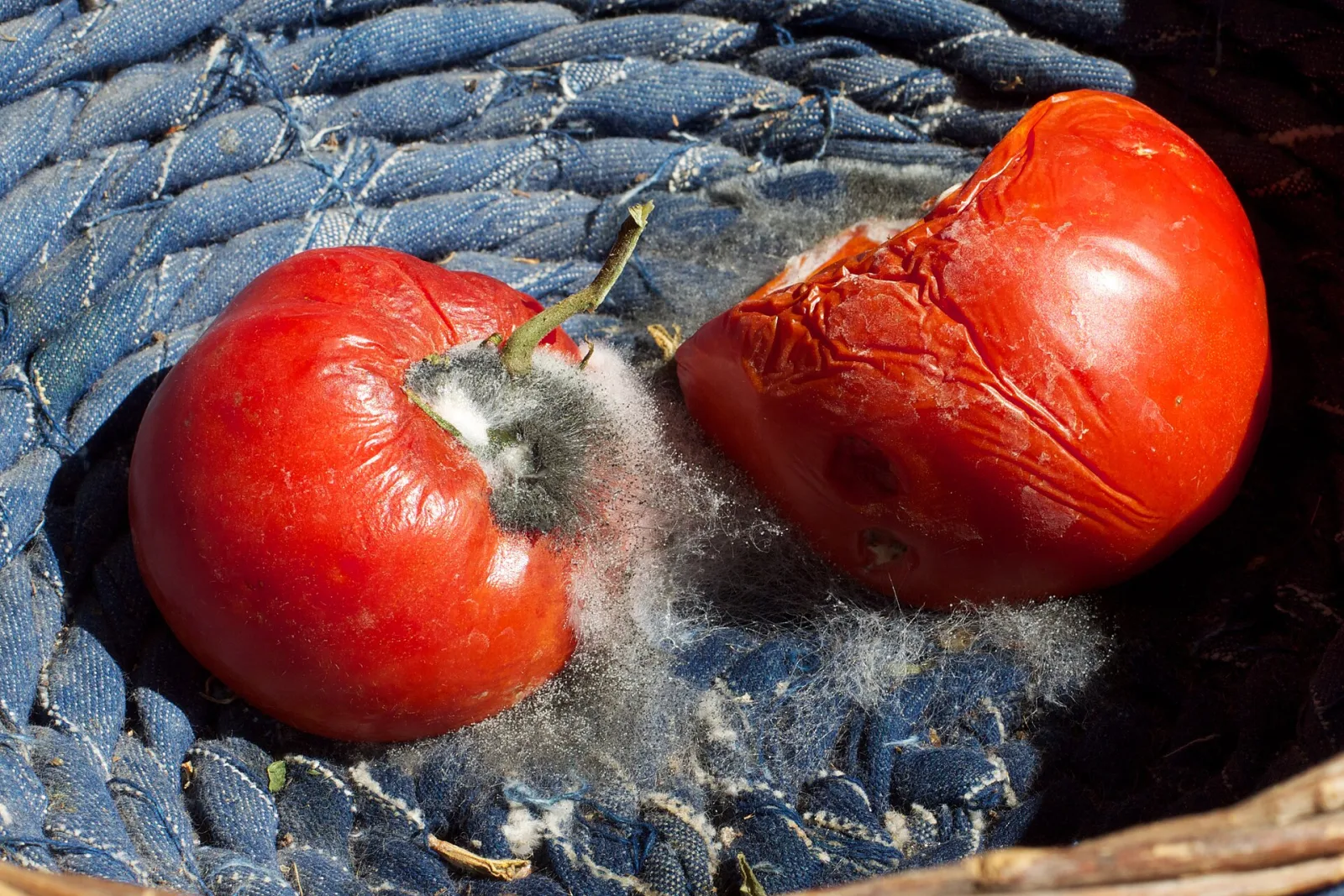
Documentary photograph: Molds and decomposition: what a decaying log reveals