Observation-guide
What to Observe in a Flower Before Trying to Identify It
Before looking for a name, describe what is in front of you: the visible parts, the flower’s shape, and how it is grouped on the stem. A labeled drawing helps organize observations without turning a single feature into a certain identification.
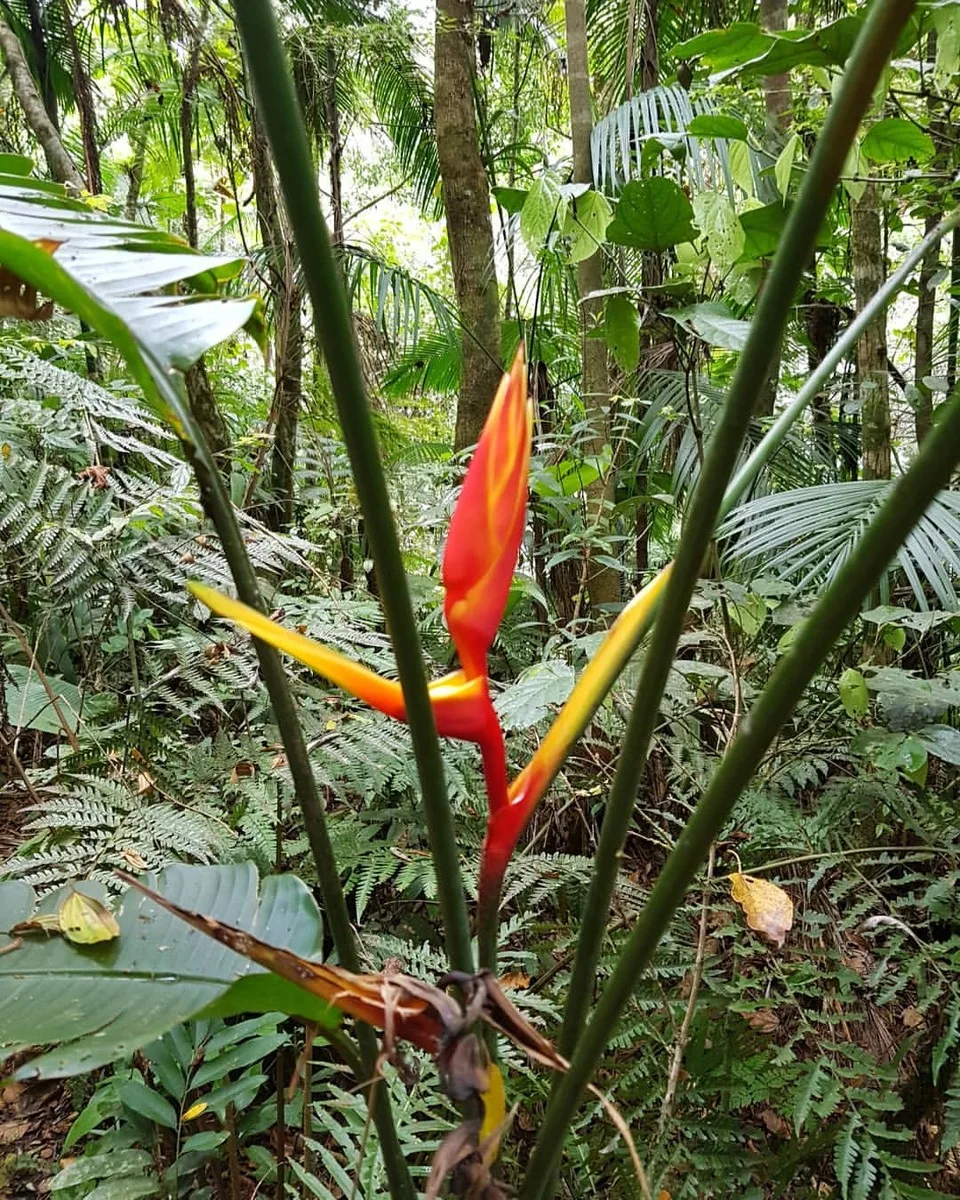
Look first; interpret afterward
This guide offers general observation, not a key for a particular region. Start by describing visible features and leave explanations about their function or a possible name until later. The RHS suggests recognizing parts of a flower before labeling them; Kew, in turn, presents the diversity of floral structures as something to observe [59][63].
Simple preparation
You can work with a flower in view, a pencil, and a sheet of paper for drawing. A floral-structure diagram can serve as a reference for labeling what you recognize; the RHS activity also suggests exploring flowers and making an observational drawing [61]. You do not need to start by taking the flower apart: first record its intact appearance.
What to observe
Note the parts you can distinguish, without feeling obliged to fill in those you cannot see clearly: petals, stamens, and pistil are terms included in the RHS material [59]. Also describe the shape and relative size you perceive, and note whether you see a single flower or several grouped on the stem. The arrangement of flowers on the stem is called an inflorescence [60].
If you can distinguish reproductive structures, record their position and appearance before interpreting their function. The RHS describes the movement of pollen from the anther to the stigma as a transfer between a male and a female part of the flower [59].
How to make a useful record
Make a simple drawing of the whole and label only the parts you have recognized. Beside it, divide your notes into two columns: “what I see”—for example, several flowers grouped on the stem—and “what I interpret”—for example, what that type of grouping might be called. Drawing and labeling the parts is an observational practice suggested by the RHS [61]; its guide to flower shapes also highlights that flowers vary in shape, size, and arrangement [60].
Confusions to avoid
Do not confuse the shape of an individual flower with the arrangement of several flowers on the stem: these are different features, and the latter is an inflorescence [60]. Nor should you consider a specimen identified just because its shape seems familiar. The available sources describe parts and shapes to observe, but do not provide a regional key for completing an identification [59][60][61].
From observation to explanation
**Supported explanation:** the RHS guide states that different pollinators prefer different flower shapes and connects flower variety with increased biodiversity [60]. This offers a possible explanation for why observing shape can be informative, but it does not show which pollinator visits a particular flower.
**Working hypothesis:** an observed shape could prompt questions about pollination, but it is not enough on its own to conclude what species the flower is or which pollinator uses it. Treat it as a clue for further observation, not as an identification.
Responsible practice
Prioritize looking, drawing, and labeling without disturbing the plant. If an educational activity requires examining structures more closely, Kew describes the use of magnification and careful dissection as part of a teaching session; this does not mean that either is necessary for a first observation [63]. Avoid presenting a visual identification as a basis for consuming or treating a plant.
Sources and method
This story synthesises the references below and separates possible observations from conclusions that would need more evidence. It does not present original FaunaGuide fieldwork or replace expert identification.
- Science focus: Parts of Flowering Plants / RHS — Science focus: Parts of Flowering Plants / RHS Teach pupils to identify parts of a flower before completing a blank diagram to show their understanding. Study & learnSchool gardeningTeaching resourcesSearch allBackScience focus: Parts of Flowering PlantsS
- Flower shape identification guide / RHS — Flower shape identification guide / RHS <p>Flowers come in many shapes, sizes, and arrangements on their stems - this is called an inflowerscence. Different pollinators prefer different flower shapes, so having a variety can boost biodiversity.</p> Study &
- Draw parts of a flower / RHS — Draw parts of a flower / RHS Explore flowers in the garden to draw and label their different parts. Study & learnSchool gardeningTeaching resourcesSearch allBackDraw parts of a flowerDraw parts of a flowerExplore flowers in the garden to draw and label th
- KS2 Flower structure and plant reproduction | Kew — KS2 Flower structure and plant reproduction | Kew Pupils take a closer look at the amazing structure of flowers, using microscopes. Do you think all flowers are the same? KS2 Flower structure and plant reproduction Pupils take a closer look at the amazing
- RHS Plant Finder 2027 — RHS Plant Finder 2027 Find your next garden favourite with RHS Plant Finder 2027. Browse more than 60,000 plants and 340 UK nurseries in one essential directory. What’s new in RHS Plant Finder 2027?The latest edition of RHS Plant Finder is available from
- What leaves reveal about wildflowers | Grow Wild | Kew — What leaves reveal about wildflowers 21 June 2021 What leaves reveal about wildflowers Image Brandon Shaw is a Masters student at Kew, studying Plant and Fungal Taxonomy, Diversity and Conservation. Here he guides us through what makes leaves one of the m
See and listen
Images, sounds and scenes
Resources that complement the information, with their origins and reuse conditions.
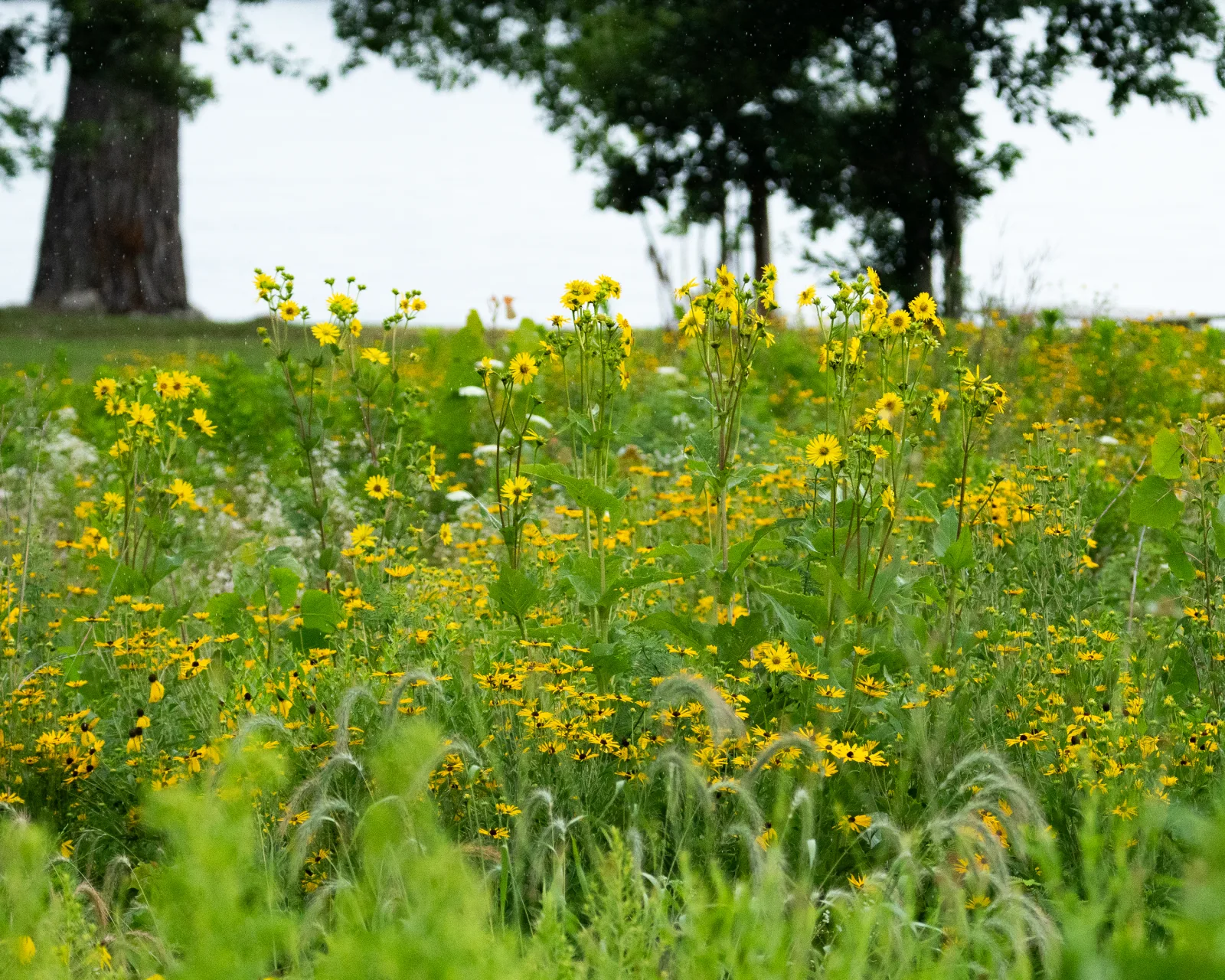
Documentary photograph: What to Observe in a Flower Before Trying to Identify It
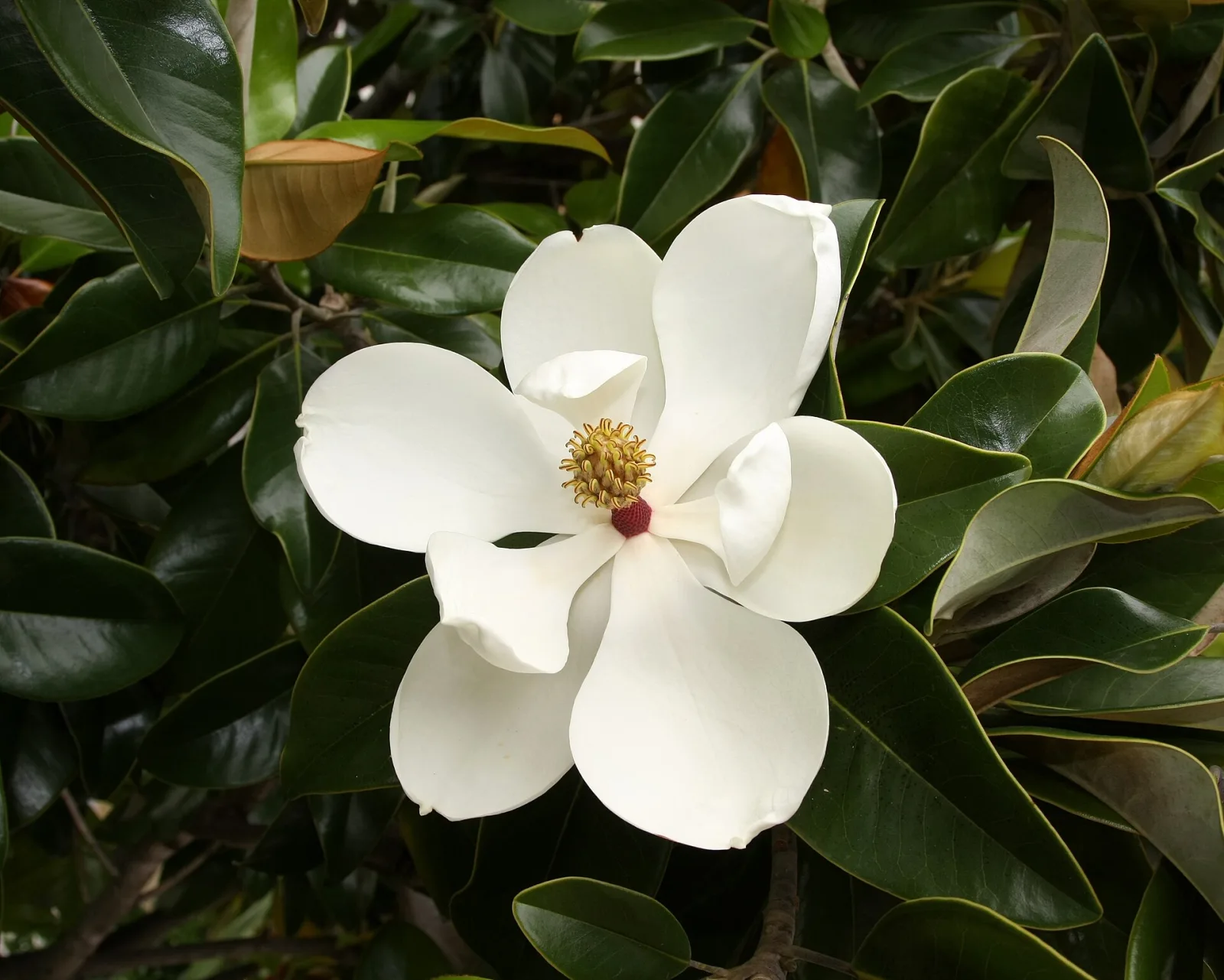
Documentary photograph: What to Observe in a Flower Before Trying to Identify It