Comparison
Common Swift and Common House Martin: What the Available Evidence Allows Us to Compare About Their Nests
The topic proposes comparing the nesting sites of the Common Swift and the Common House Martin in Spanish towns and cities. However, the sources provided do not document such a comparison: they do not allow us to describe substrates, contrast preferences, or relate them to the availability of suitable sites.
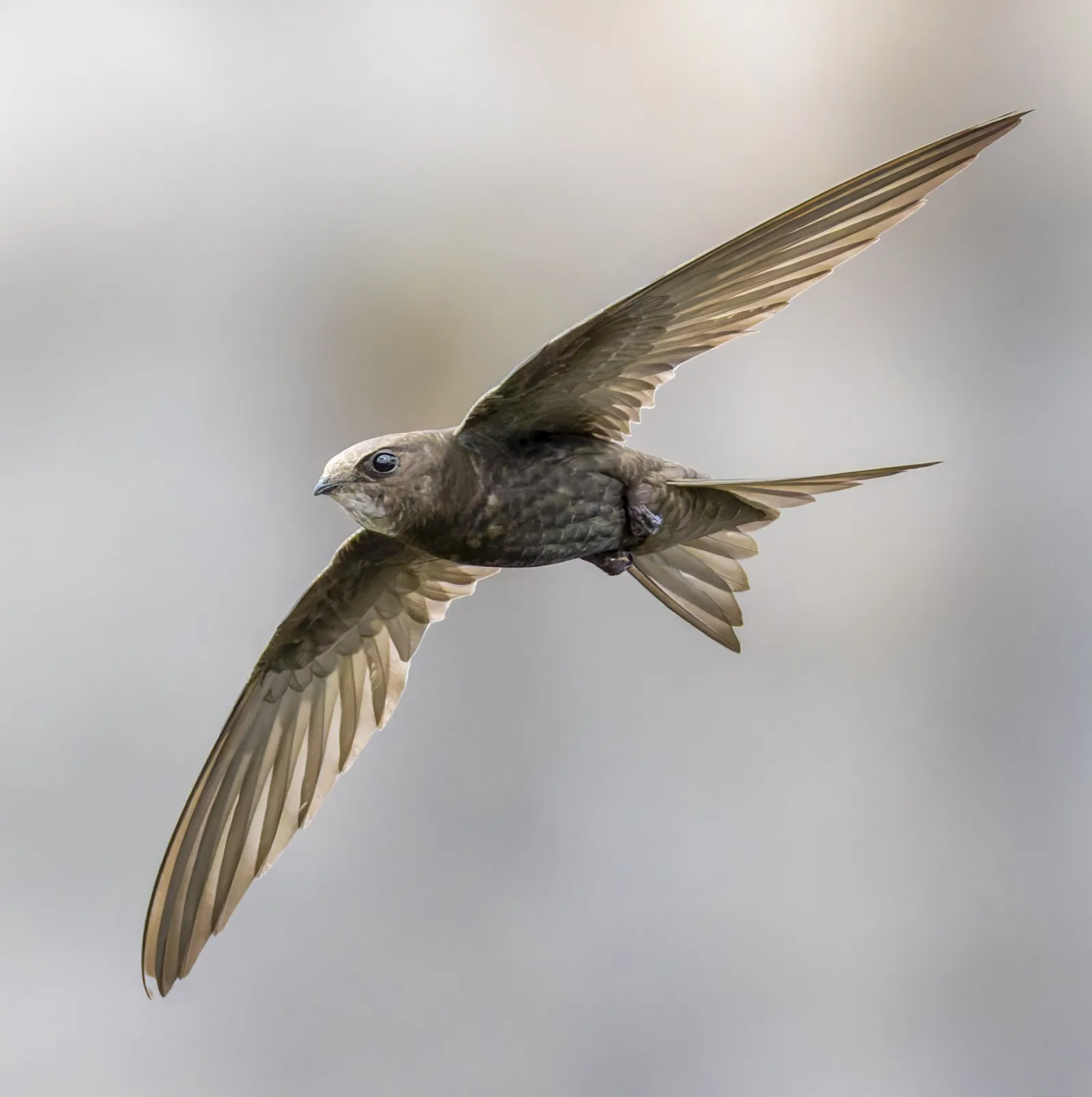
A comparison that cannot yet be made
The proposal focuses on a specific question: what nesting sites each species uses in Spanish urban environments. But the material received offers no verifiable data about the Common Swift or the Common House Martin that would allow us to answer it. Therefore, this draft does not attribute any nest type, substrate, or urban preference to either bird.
Comparison using the same criteria
The table summarizes the state of the evidence, not the birds’ biological characteristics. “Not established” means that the sources provided do not allow us to make that claim; it does not mean the trait is absent or that the species share the same behavior.
| Criterion | Common Swift | Common House Martin | |---|---|---| | Nesting substrate in Spanish towns and cities | Not established by the sources provided | Not established by the sources provided | | Cavity or nest attached to a surface | Not established | Not established | | Buildings or other urban structures used | Not established | Not established | | Relationship between site choice and the availability of suitable places | Not established | Not established |
What the sources received do—and do not—cover
The documents do not constitute a comparison of guides and studies on the urban nesting of these two species in Spain. They include a geographical entry about Málaga, a text about Ptyonoprogne obsoleta, and a news report about a survey of birds of prey in the Yungas; none provides a verifiable comparison between the Common Swift and the Common House Martin here. The included CONABIO entry is a search-results page, not a study relevant to this topic.
Observations, explanations, and hypotheses
Documentary observation: the available sources do not allow the nesting sites of the two species to be described or compared. Explanation: this material supports no explanation of their choices. Hypothesis: the possibility that the availability of suitable cavities or surfaces influences nesting is a research question proposed in the assignment, not a finding demonstrated by the sources received.
Scope and limits of identification
The proposed scope is towns and cities in Spain, but the source package provides no relevant evidence for that scope. It would not be appropriate to extrapolate from material about other regions or other species. In addition, identifying a species from a nest is not assessed by these sources: this text offers no identification criteria and does not allow an observed nest to be attributed to either bird.
What is missing to publish a comparison
Supporting the article would require relevant, independent sources on both species, as well as a primary source documenting their urban nesting in Spain. The comparison should apply the same criteria to each and distinguish nest records, explanations of site choice, and hypotheses about the availability of sites. Until then, presenting differences or similarities as facts would go beyond the evidence.
Sources and method
This story synthesises the references below and separates possible observations from conclusions that would need more evidence. It does not present original FaunaGuide fieldwork or replace expert identification.
- Provincia de Málaga — Málaga es una de las ocho provincias españolas que componen la comunidad autónoma de Andalucía. Está situada al sur de la península ibérica, en la costa mediterránea, entre las provincias de Granada, al este, y Cádiz, al oeste. Al norte limita con las pr
- Ptyonoprogne obsoleta — El avión pálido (Pytonoprogne obsoleta) es una pequeña ave paseriforme de la familia Hirundinidae que habita en el norte de África y el sudoeste de Asia, hasta Pakistán. Vive en montañas y áreas de menor altitud, especialmente en hábitats rocosos y cerca
- | Biodiversidad Mexicana — | Biodiversidad Mexicana 362 Resultados de búsqueda para: rb PpS · 31 de octubre de 2022 20:05 Herbario virtual · El Herbario Virtual de CONABIO (HVC) cuenta con más de 85,000 ejemplares en su mayoría mexicanos en formato de imágenes digitales obtenidas p
- Un relevamiento inédito de aves rapaces en las Yungas | Sobre La Tierra — Un relevamiento inédito de aves rapaces en las Yungas <p>En Salta y Jujuy, investigadores de la UNLPam y la FAUBA hallaron una gran diversidad de especies que están en riesgo de desaparecer y que presentan hábitos no descriptos hasta ahora. Algunas noveda
See and listen
Images, sounds and scenes
Resources that complement the information, with their origins and reuse conditions.
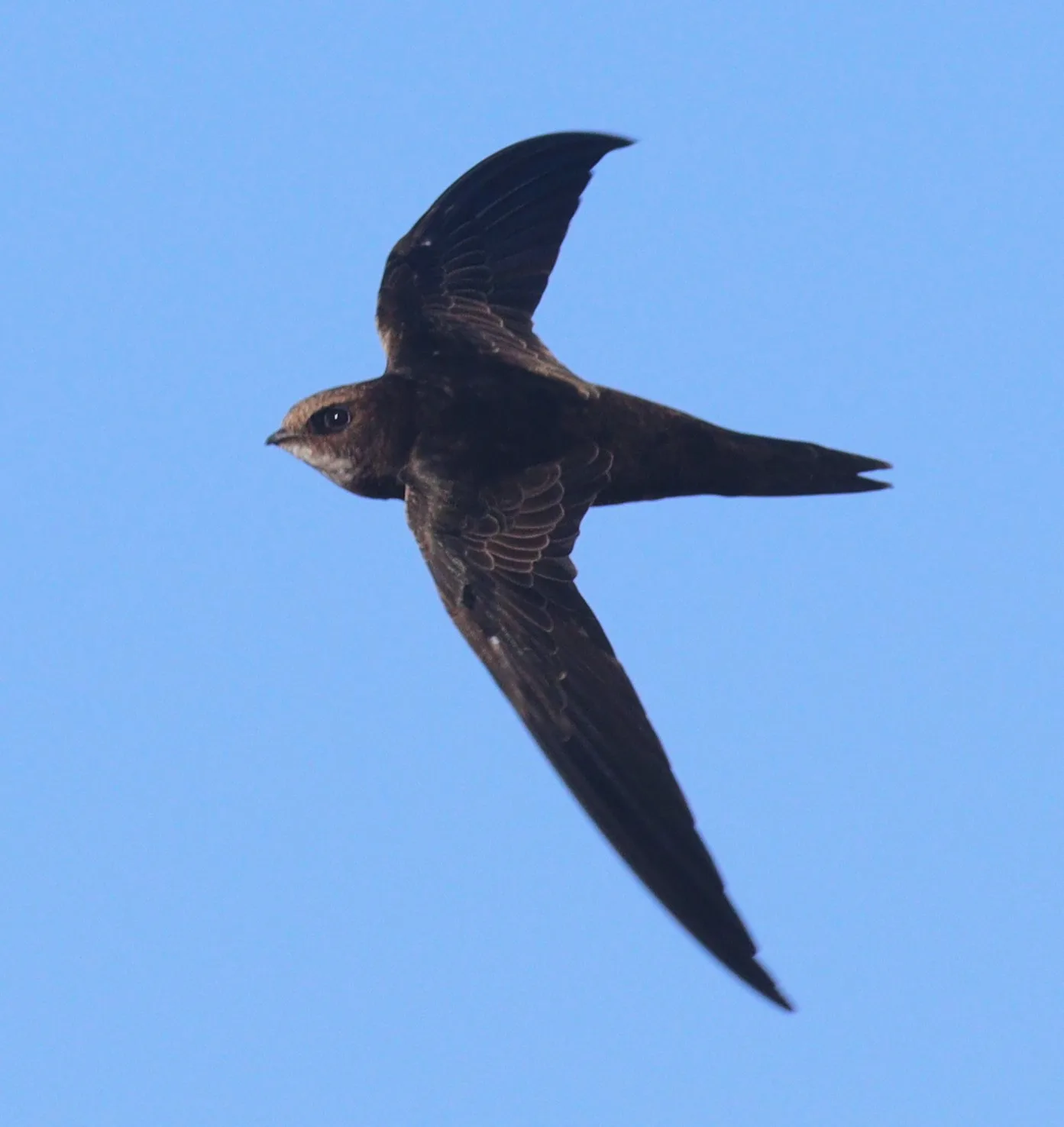
Documentary photograph: Common Swift and Common House Martin: What the Available Evidence Allows Us to Compare About Their Nests
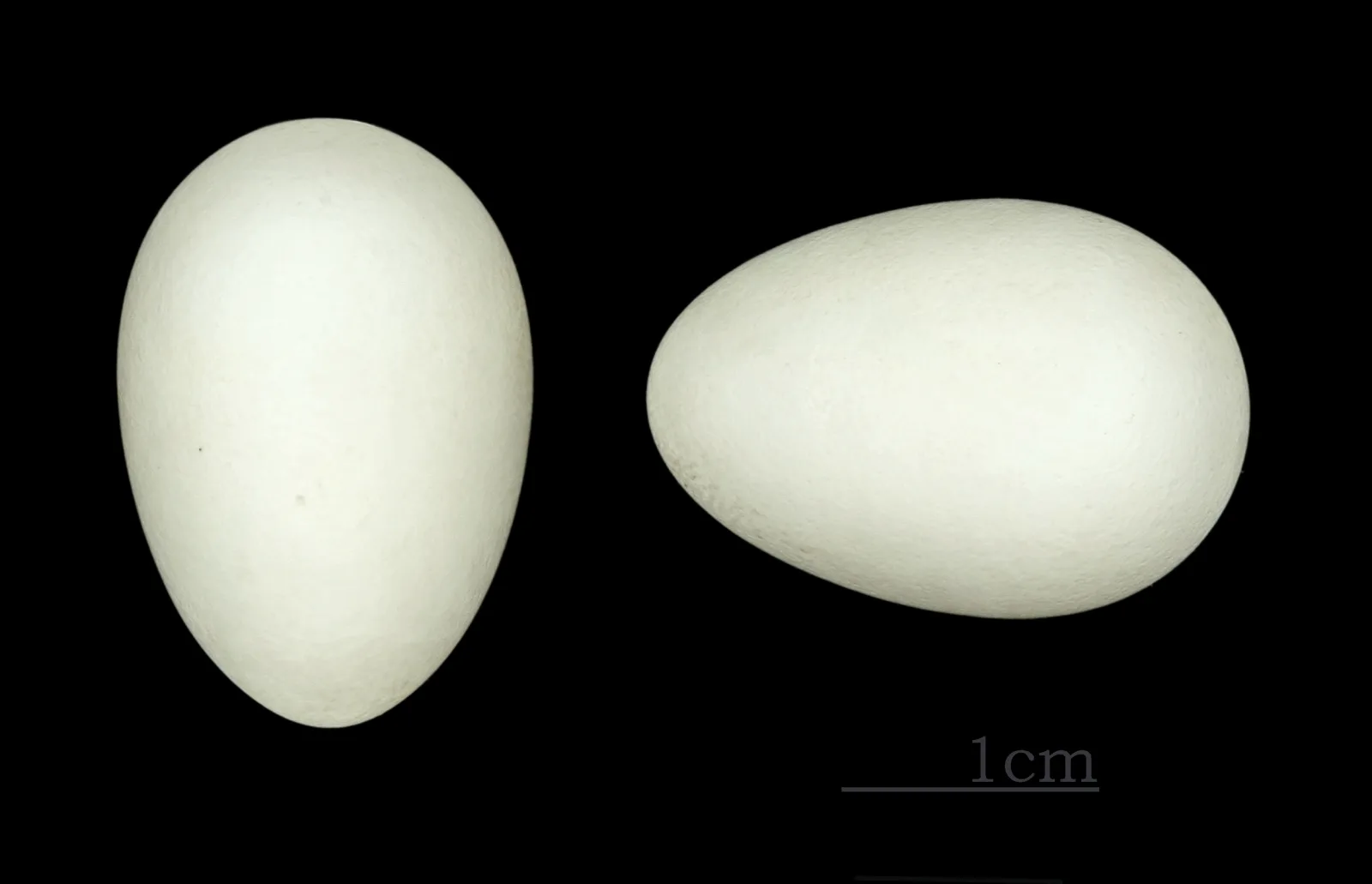
Documentary photograph: Common Swift and Common House Martin: What the Available Evidence Allows Us to Compare About Their Nests