At a glance
Essentials
- Habitat
- Grows in meadows and pastures; in the United Kingdom it is also common along roadsides and hedgerows.
- Activity
- In the United Kingdom, it usually flowers from June to August.
- Conservation
- The 2021 IUCN assessment reported by Kew classifies it as Least Concern (LC).
Observation guide
What to look for
- 01
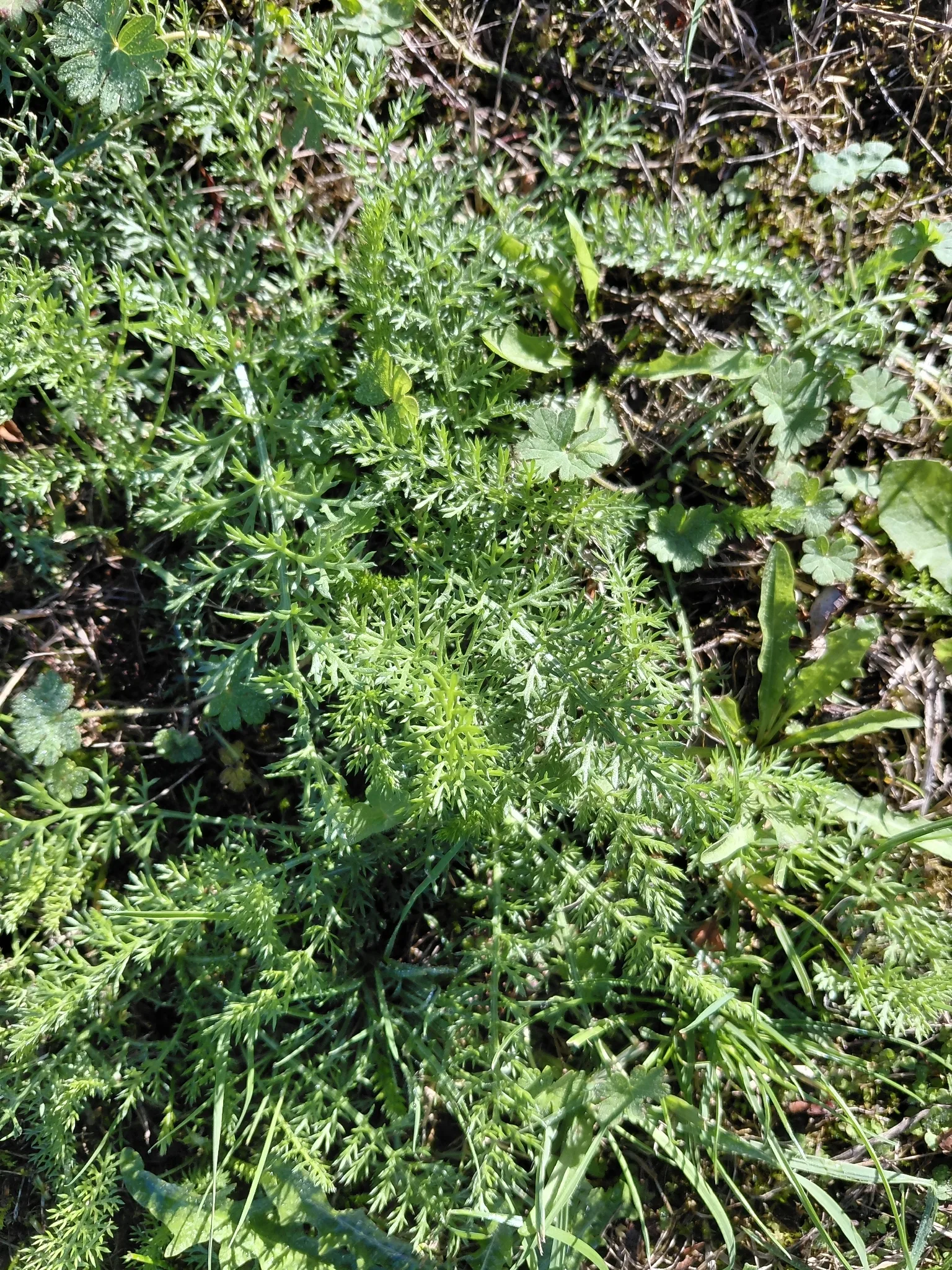
Feathery leaves, deeply divided into numerous fine segments.
- 02
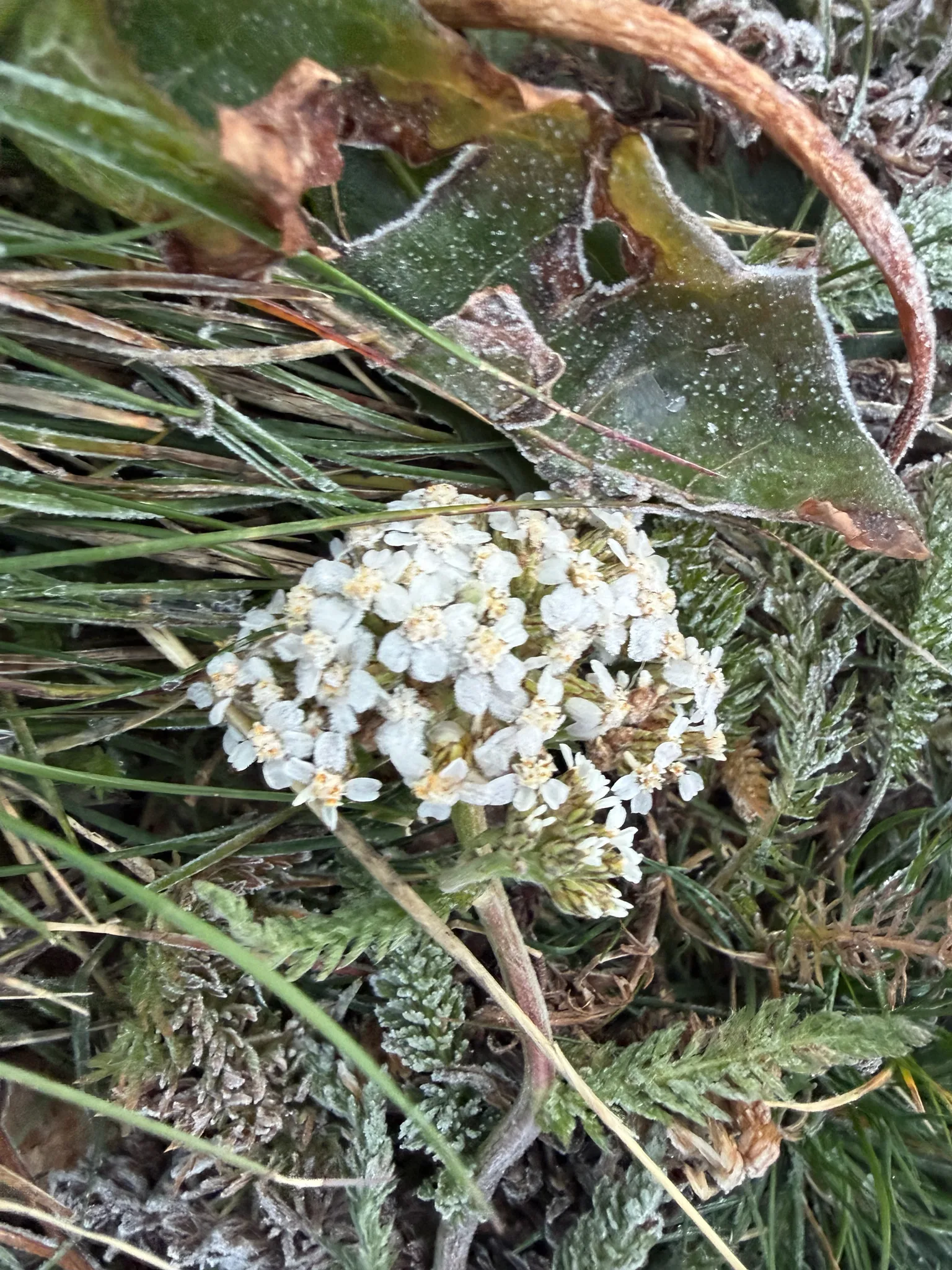
Flat-looking flower clusters, made up of many small flower heads, usually with white outer flowers; some forms have pink flowers.
- 03
Upright stems; the plant is perennial and its stems and leaves may be hairy.
Lighting, age and viewing angle can hide features. If identification affects consumption, handling or conservation, consult specialist sources.
Ecology
Description and characteristics
Perennial herb in the family Asteraceae, Achillea millefolium develops upright stems and leaves arranged along the stem. Its finely divided leaf blades have a feathery appearance; the stems and leaves may be hairy.
The flowers are grouped in numerous flower heads which, together, form clusters with a more or less flat outline. The outer flowers are usually white; forms with pinkish tones are also known. In the United Kingdom, it usually flowers between June and August.
It grows in meadows and pastures; in the United Kingdom, it is also often found along roadsides and among hedgerows. In that region, it is considered a hardy, drought-tolerant plant.