At a glance
Essentials
- Size
- Can reach about 30 m in height. The range may vary with age, sex and population.
- Distribution
- Its native range includes temperate regions of Eurasia and northwestern Africa, and extends from Alaska to Canada. In the southern parts of its range, it occurs mostly in mountains.
- Habitat
- A species of bright places that is not very demanding in its soil requirements; it usually grows on acidic substrates and can colonize bare or disturbed ground.
- Conservation
- Classified as Least Concern on the IUCN Red List.
Observation guide
What to look for
- 01
Pale, papery bark that becomes darker and more fissured with age.
- 02
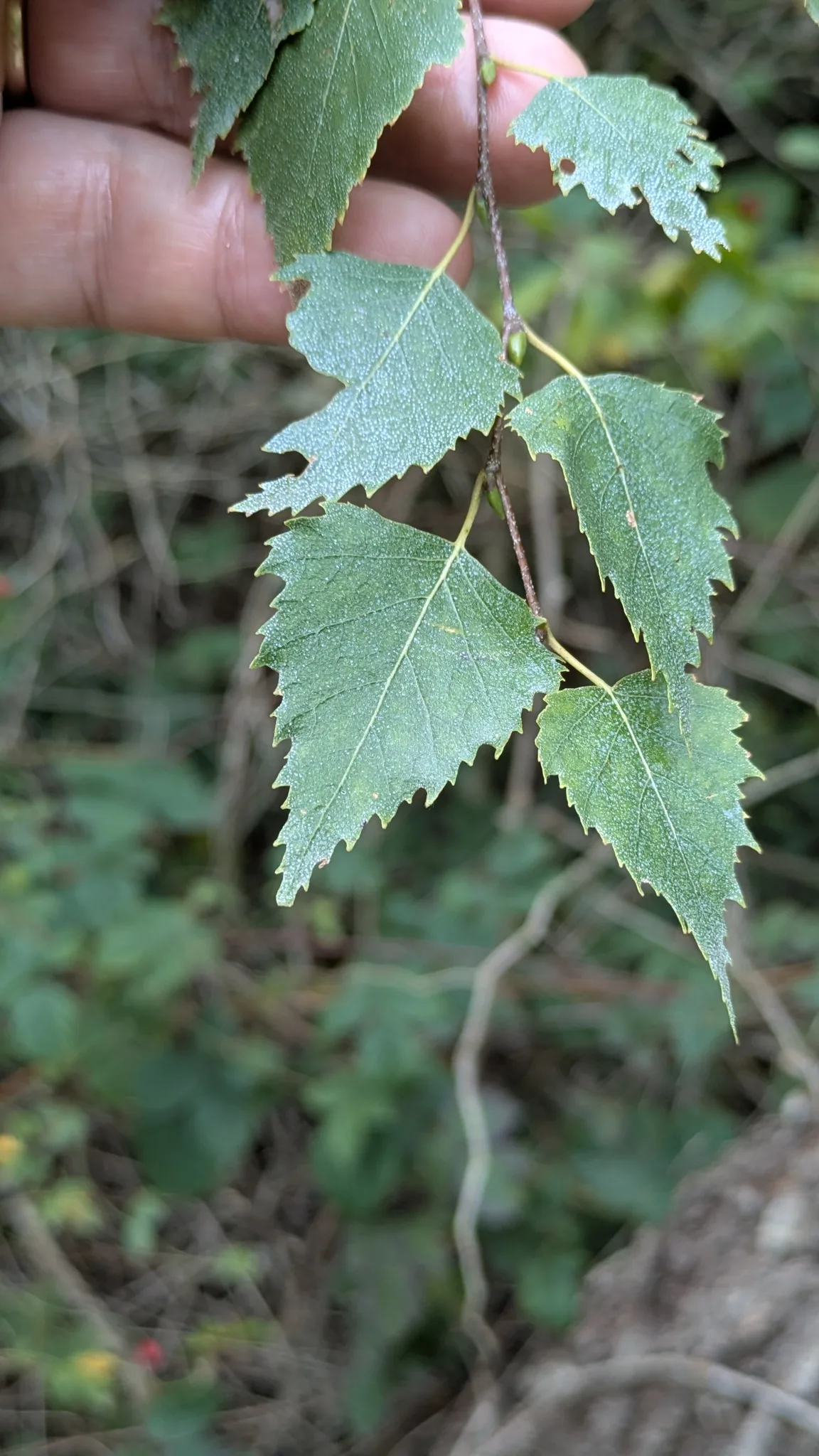
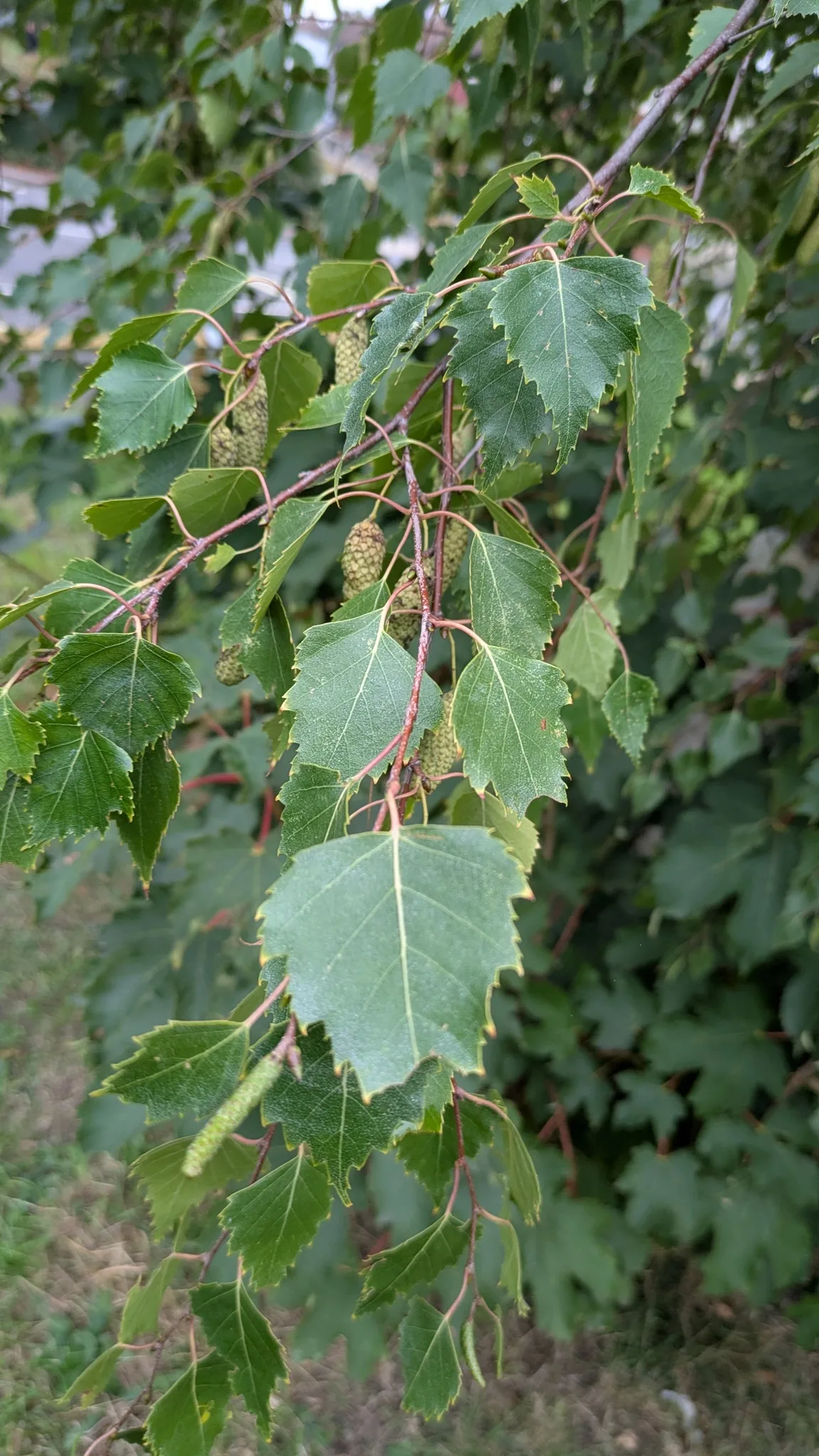
Slender, often drooping branchlets, together with small, triangular or diamond-shaped leaves with toothed margins.
Lighting, age and viewing angle can hide features. If identification affects consumption, handling or conservation, consult specialist sources.
Ecology
Description and characteristics
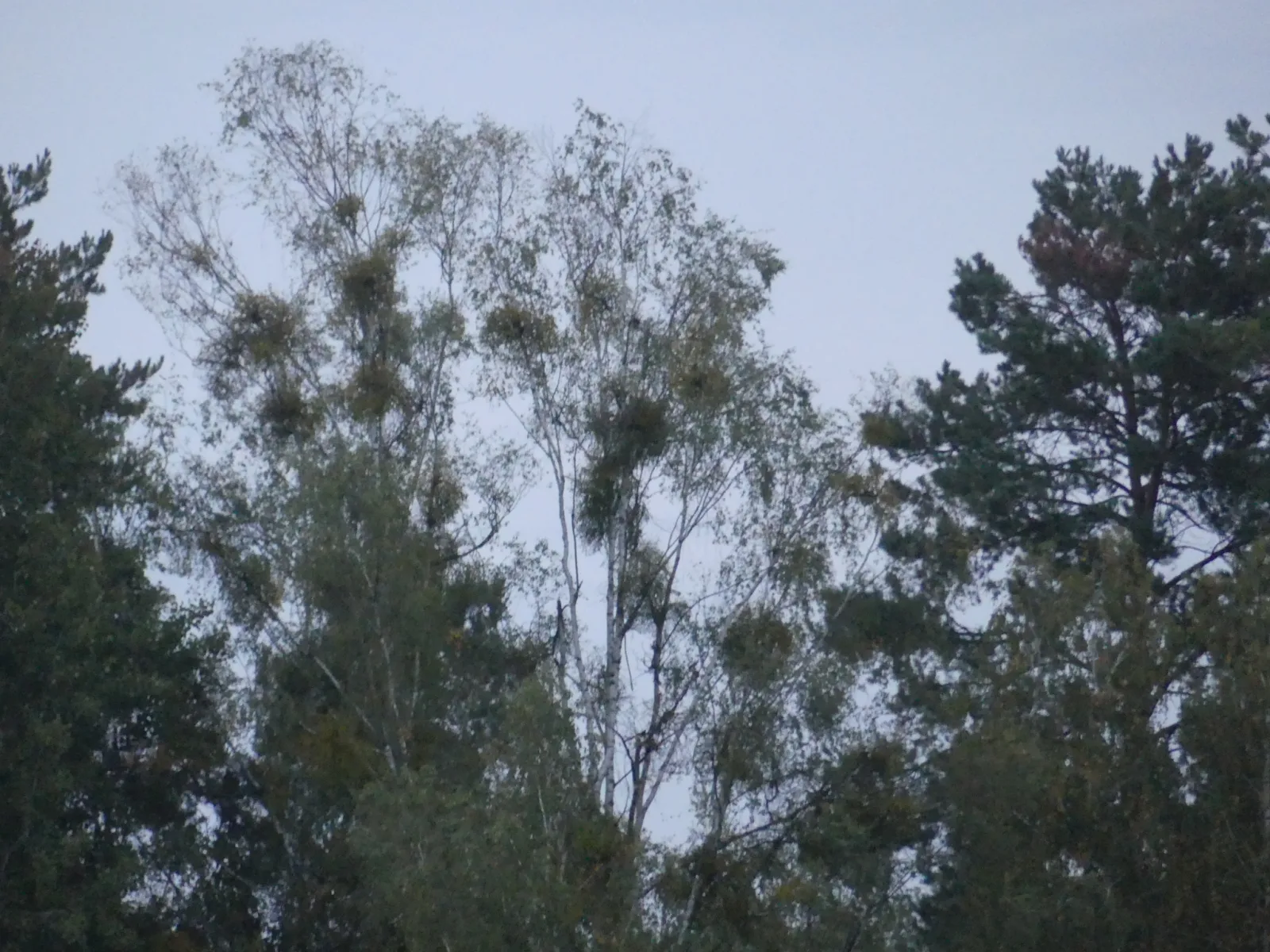
Deciduous tree in the family Betulaceae, Betula pendula can reach about 30 m in height. Its bark is usually white and papery, becoming darker and fissured with age. The young branchlets are slender and often drooping; the triangular or diamond-shaped leaves have toothed margins and turn yellow before falling in autumn.
Flowers in catkins: male and female organs occur in separate catkins on the same tree. The wind carries the pollen and also disperses the numerous small, winged seeds, which are released when the female catkins disintegrate.
Colonizer of open spaces, it is a species of bright places and can establish quickly on bare or disturbed ground, including areas affected by fire. It occurs across a broad temperate belt of Eurasia and in northwestern Africa; in the southern parts of its range, it occurs mainly in mountainous areas.