At a glance
Essentials
- Size
- Reported approximate length: 14 cm. The range may vary with age, sex and population.
- Distribution
- Found in Europe, extending east to western Siberia and south to northern Africa. Resident in the west and south of its range, and migratory in the north and east.
- Habitat
- In the United Kingdom, it inhabits woodland and farmland, as well as gardens and parks in towns and cities.
- Activity
- Defends territories, sings from conspicuous perches, and has an alarm call described as dry and metallic.
- Diet
- Eats seeds, fruit, insects, earthworms, and other invertebrates.
- Conservation
- The category given in the IUCN Red List is Least Concern.
Observation guide
What to look for
- 01
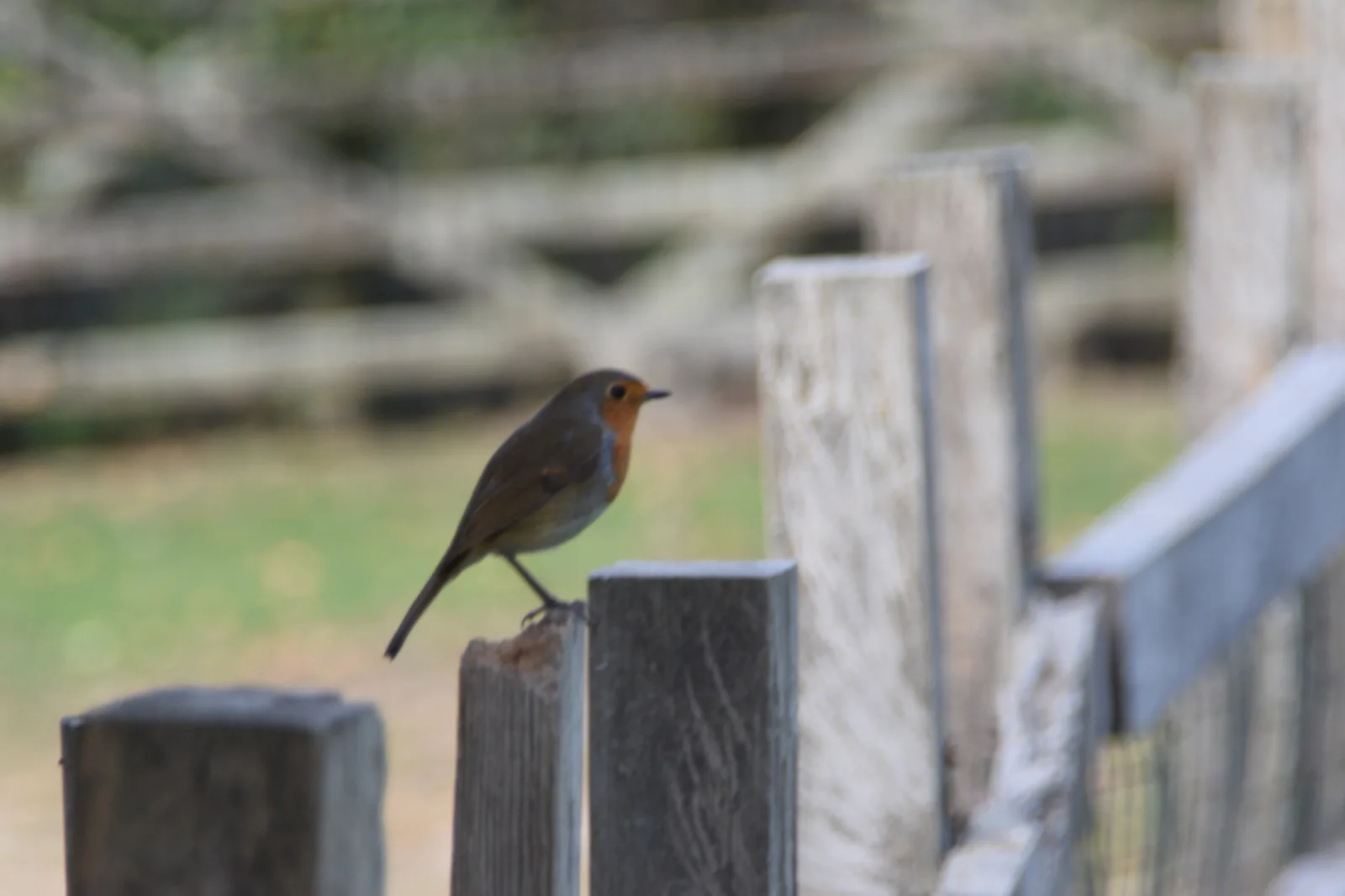
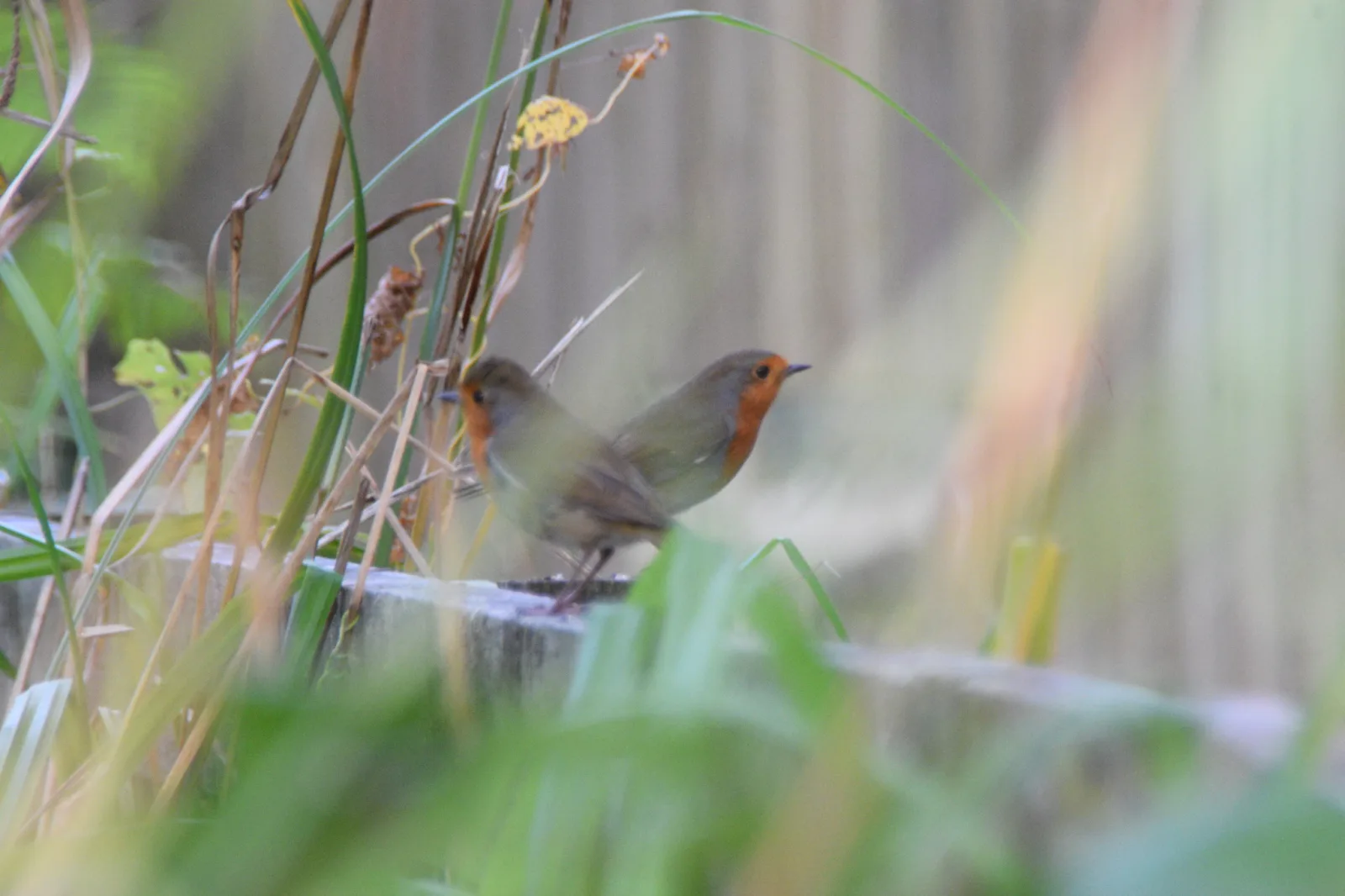
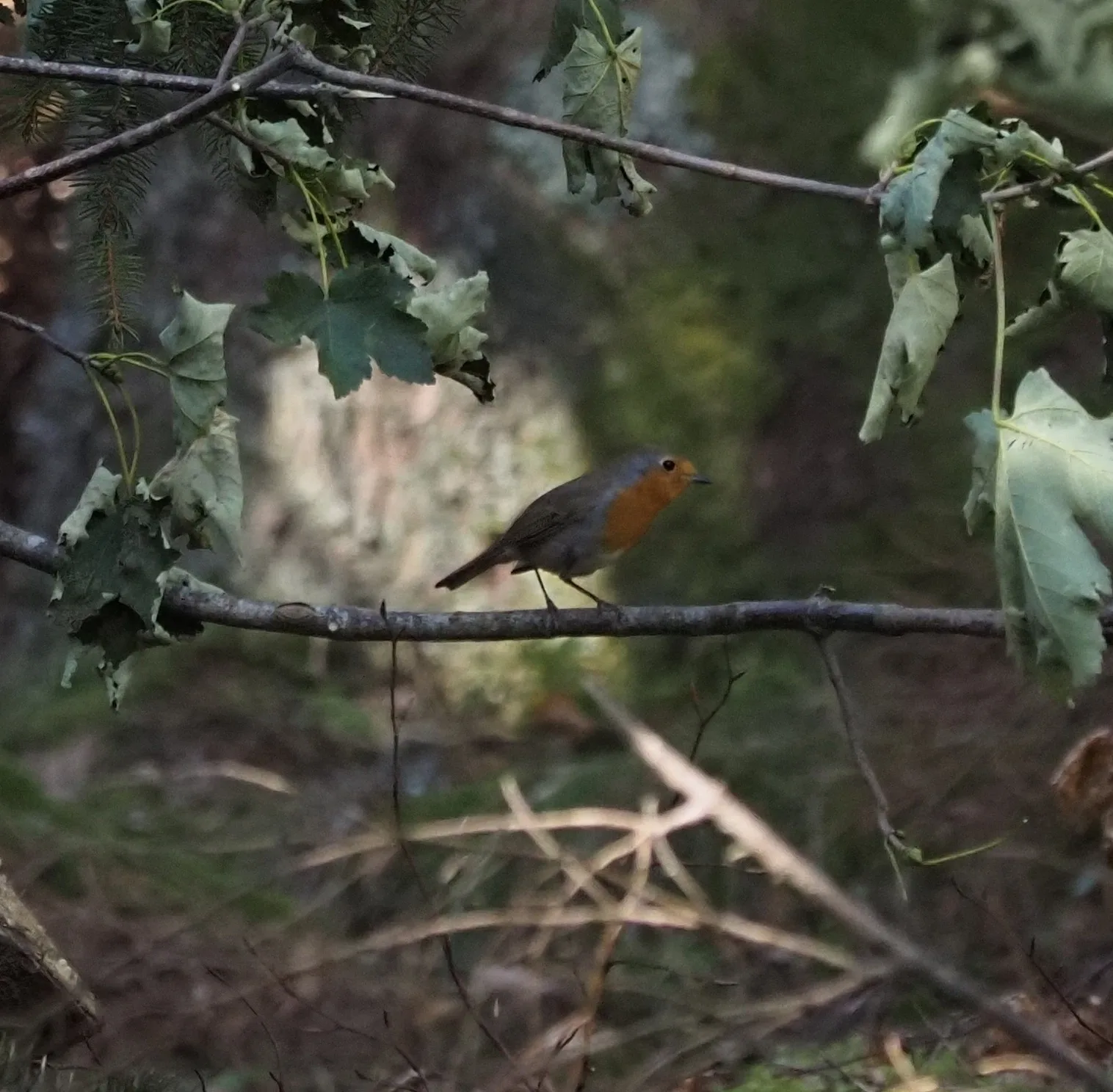
Reddish breast and face in adults of both sexes.
- 02
Brown back and whitish underside, contrasting with the reddish areas on the head and breast.
- 03
Mottled brown-and-golden juveniles, without the reddish breast of adults.
- 04
Short, slender black bill, visible in adults.
Lighting, age and viewing angle can hide features. If identification affects consumption, handling or conservation, consult specialist sources.
Ecology
Description and characteristics
The European Robin (Erithacus rubecula) is a small, plump-bodied bird. Adult plumage combines a brown back, whitish underside, and reddish areas on the face, cheeks, and breast; males and females look similar. It has a short, slender black bill. Juveniles are distinguished by mottled golden-brown plumage and lack the red breast characteristic of adults. The species is reported to be about 14 cm long.
Its distribution spans Europe, reaches east to western Siberia, and extends south to northern Africa. Populations in the west and south of its range are resident, while those in the north and east migrate. In the United Kingdom, it occupies woodland and farmland, as well as urban parks and gardens; these British habitats do not necessarily describe all the environments it uses across its extensive range. Its diet includes seeds, fruit, insects, earthworms, and other invertebrates. In gardens, it may forage on soil disturbed by people working there.
It is territorial: both males and females defend territories, as pairs in summer and individually in winter. It may drive away intruders and announce its presence with songs from conspicuous perches. It is also described as having a dry, metallic alarm call and a melodious song. In the United Kingdom, courtship may begin in January when the weather is mild, and the breeding season usually starts in March; these seasonal details refer to that region. During courtship, the female may enter the male’s territory, where he provides her with food. The female builds the nest from dead leaves, moss, and hair. As they grow, juveniles acquire the reddish plumage characteristic of adults.