At a glance
Essentials
- Size
- It can reach about 30 m in height. The range may vary with age, sex and population.
- Distribution
- Its native range includes most of Europe and parts of western Asia. It has also been introduced beyond its native range and may become naturalised in some places.
- Habitat
- In the United Kingdom, where it is identified as native, it grows attached to tree trunks and built surfaces such as masonry walls and fences; it is also cultivated in gardens and tolerates shade.
Observation guide
What to look for
- 01
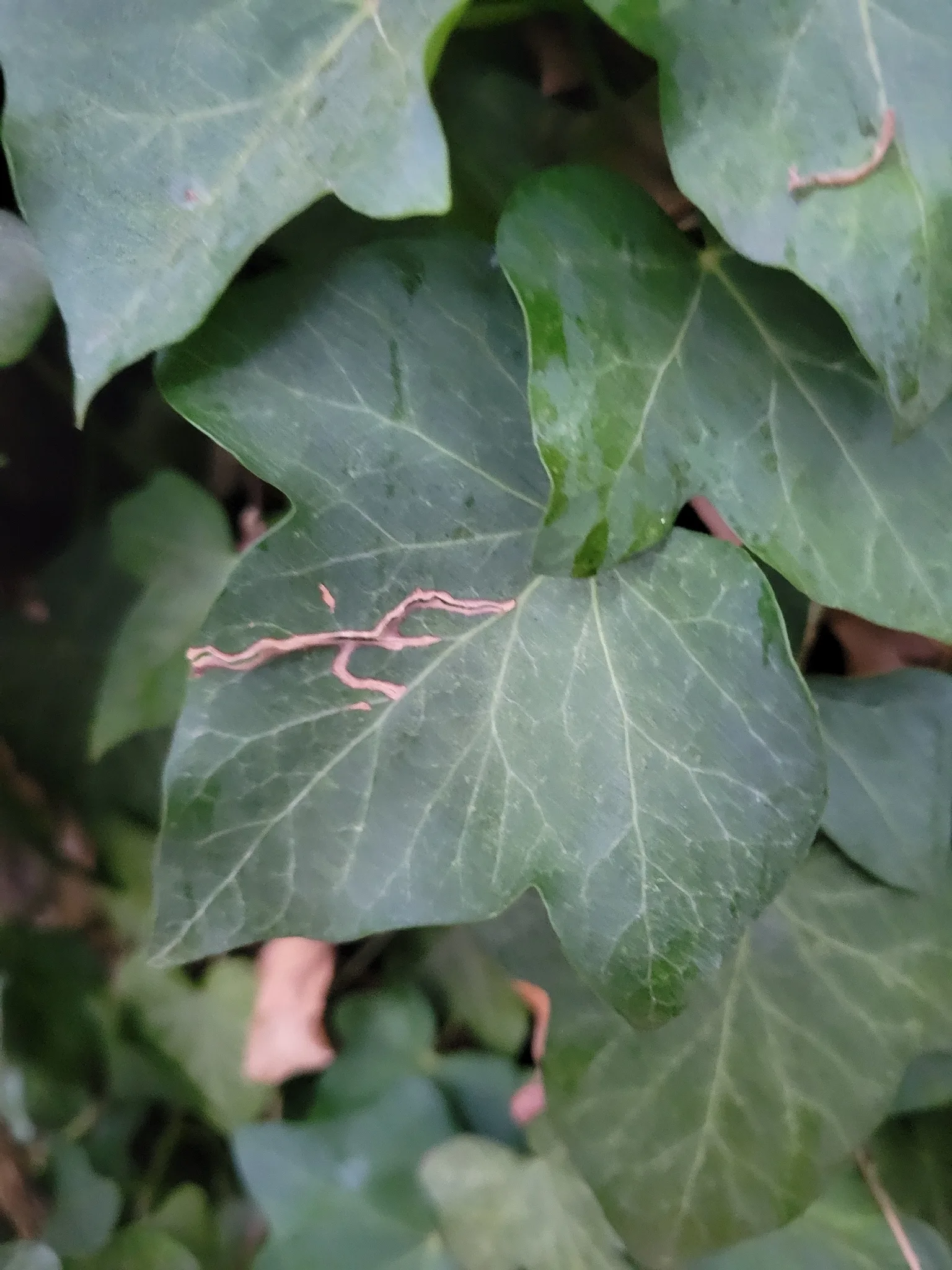
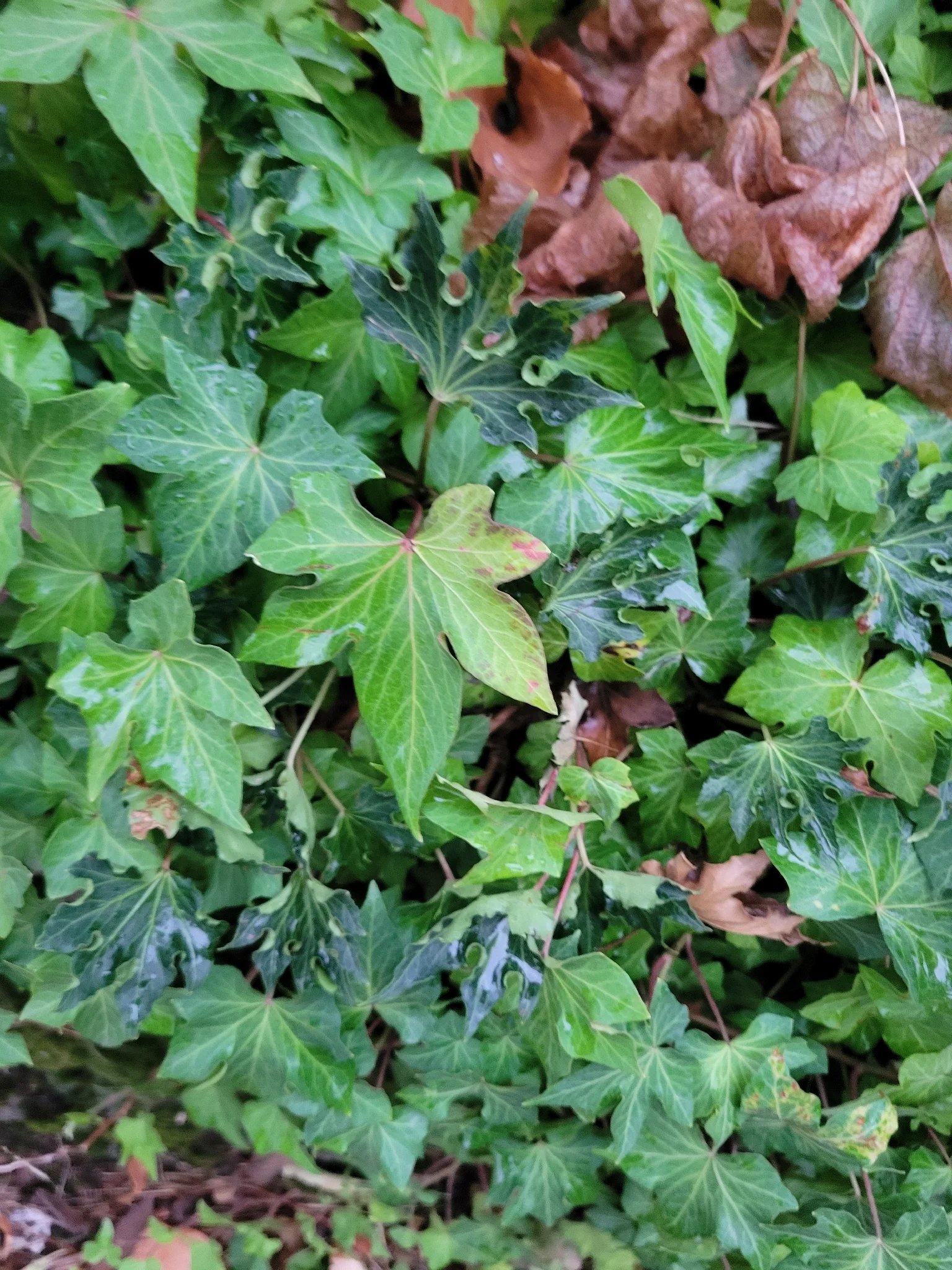
Lobed juvenile leaves: those on climbing stems are usually dark green and glossy, divided into three to five lobes, with pale veins.
- 02
Entire adult leaves: mature shoots bear leaves without lobes, with oval or heart-shaped outlines.
- 03
Clinging aerial roots: the stems develop adventitious roots that enable them to attach to tree trunks, rocks, walls, and fences.
- 04
Flowers in umbels: the small greenish or yellowish-green flowers form rounded clusters on mature plants.
- 05
Dark fruits: after flowering, black, nearly spherical, clustered fruits resembling berries develop.
Lighting, age and viewing angle can hide features. If identification affects consumption, handling or conservation, consult specialist sources.
Ecology
Description and characteristics
Hedera helix is a flowering plant in the family Araliaceae and a perennial woody climber. Its juvenile stems spread over surfaces and produce adventitious aerial roots that attach it to tree trunks, rocks, walls, and fences. In the United Kingdom, where the Royal Horticultural Society identifies it as native, it is described growing over trees and built surfaces. It is also cultivated in gardens and tolerates shade. With age, some shoots develop into a more shrub-like adult form and stop climbing.
The species has different leaves at different growth stages. On juvenile stems, the alternate leaves are glossy and dark green, with pale veins and usually three to five lobes. On adult shoots, the leaves are entire, oval or heart-shaped. Mature plants produce small greenish or yellowish-green flowers arranged in rounded umbels. In the United Kingdom, flowering is reported from September to November; this period applies to that region.
After flowering, black, berry-like fruits appear in clusters; they are nearly spherical, and the horticultural description states that each contains five seeds. In Great Britain and Ireland, ivy flowers provide nectar and pollen for insects, and its fruits are eaten by birds; the foliage also provides shelter for various animals. Regional information about these resources and habitats refers to the ivies described for those islands, where H. helix or H. hibernica may occur, and does not allow each observation to be attributed to either species separately. The native range of H. helix covers most of Europe and parts of western Asia; it has also been introduced beyond that range and may become naturalised in some places.