At a glance
Essentials
- Size
- Approximately 17 mm long. The range may vary with age, sex and population.
- Distribution
- Native to Mediterranean Europe and introduced and naturalized beyond its native range in various suitable environments; sources describe it as broadly distributed.
- Habitat
- Found among leaf litter and along the edges of wooded areas; also recorded in dry, sunny places. It is also associated with conditions of high humidity and moderate temperatures.
- Diet
- Feeds mainly on leaf litter and plant debris.
Observation guide
What to look for
- 01
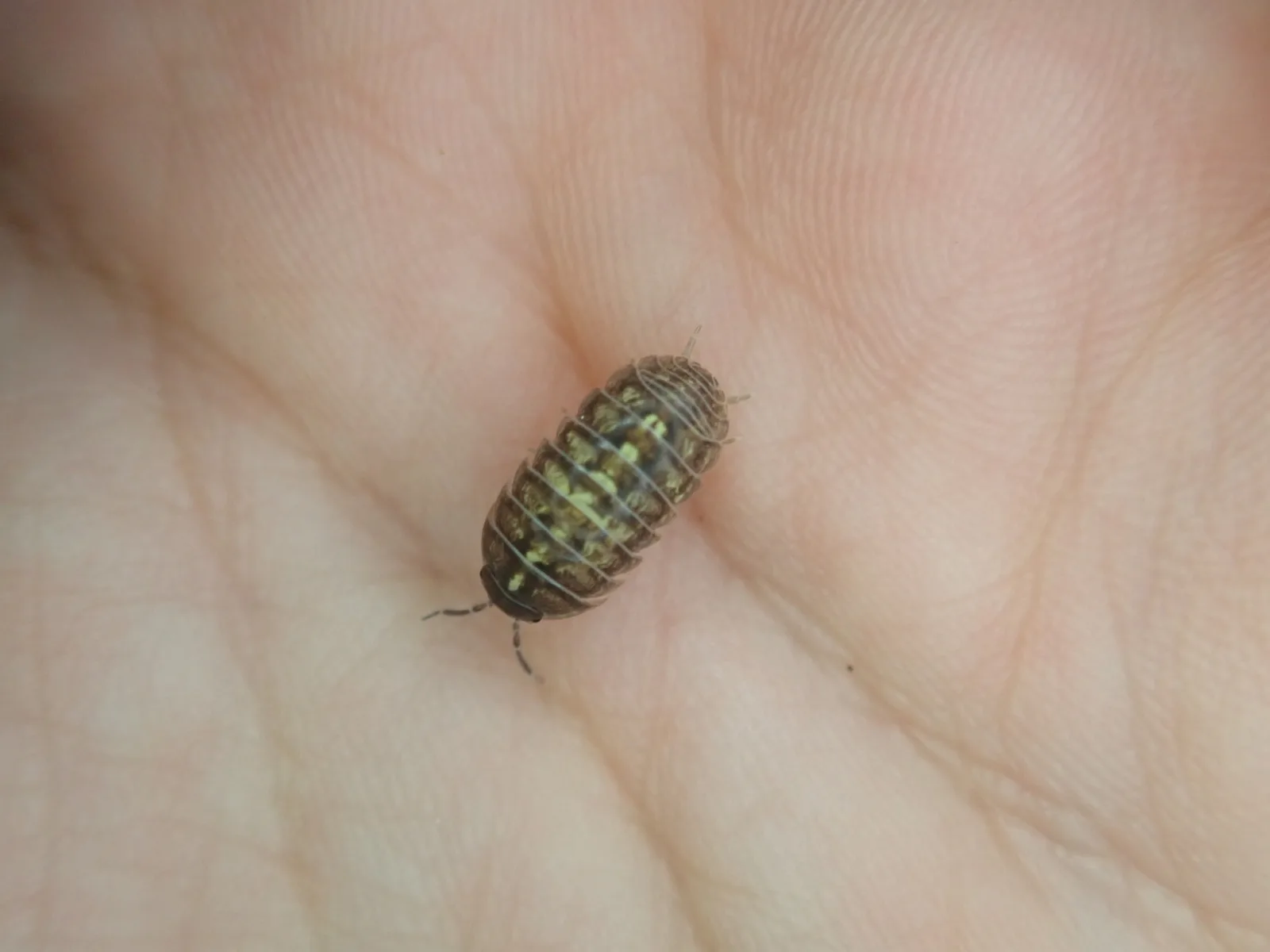
Gray body with visible segments that look like overlapping plates.
- 02
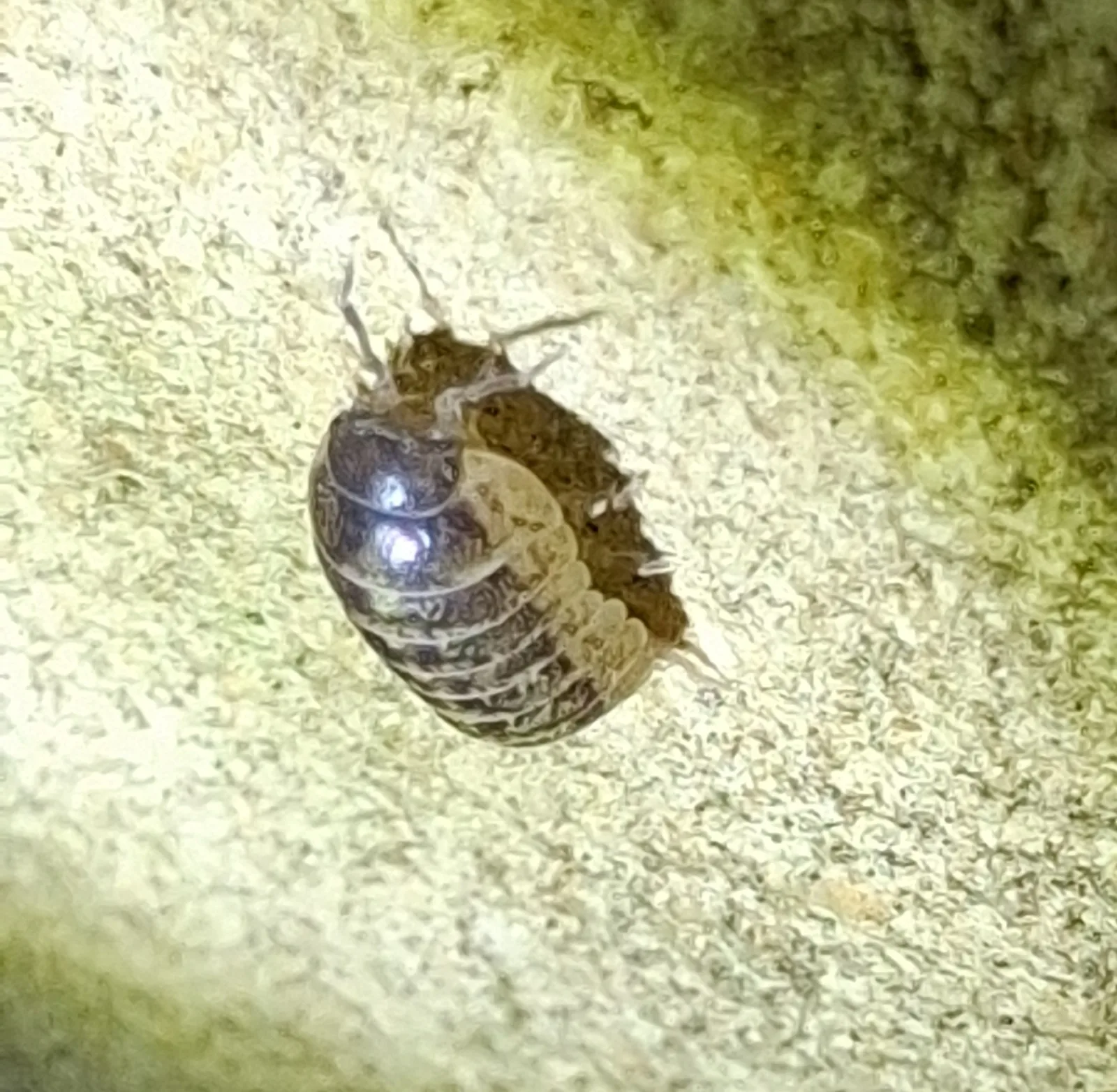
Forms a compact ball by rolling up when disturbed.
- 03
Small size: it is described as approximately 17 mm long.
Lighting, age and viewing angle can hide features. If identification affects consumption, handling or conservation, consult specialist sources.
Ecology
Description and characteristics
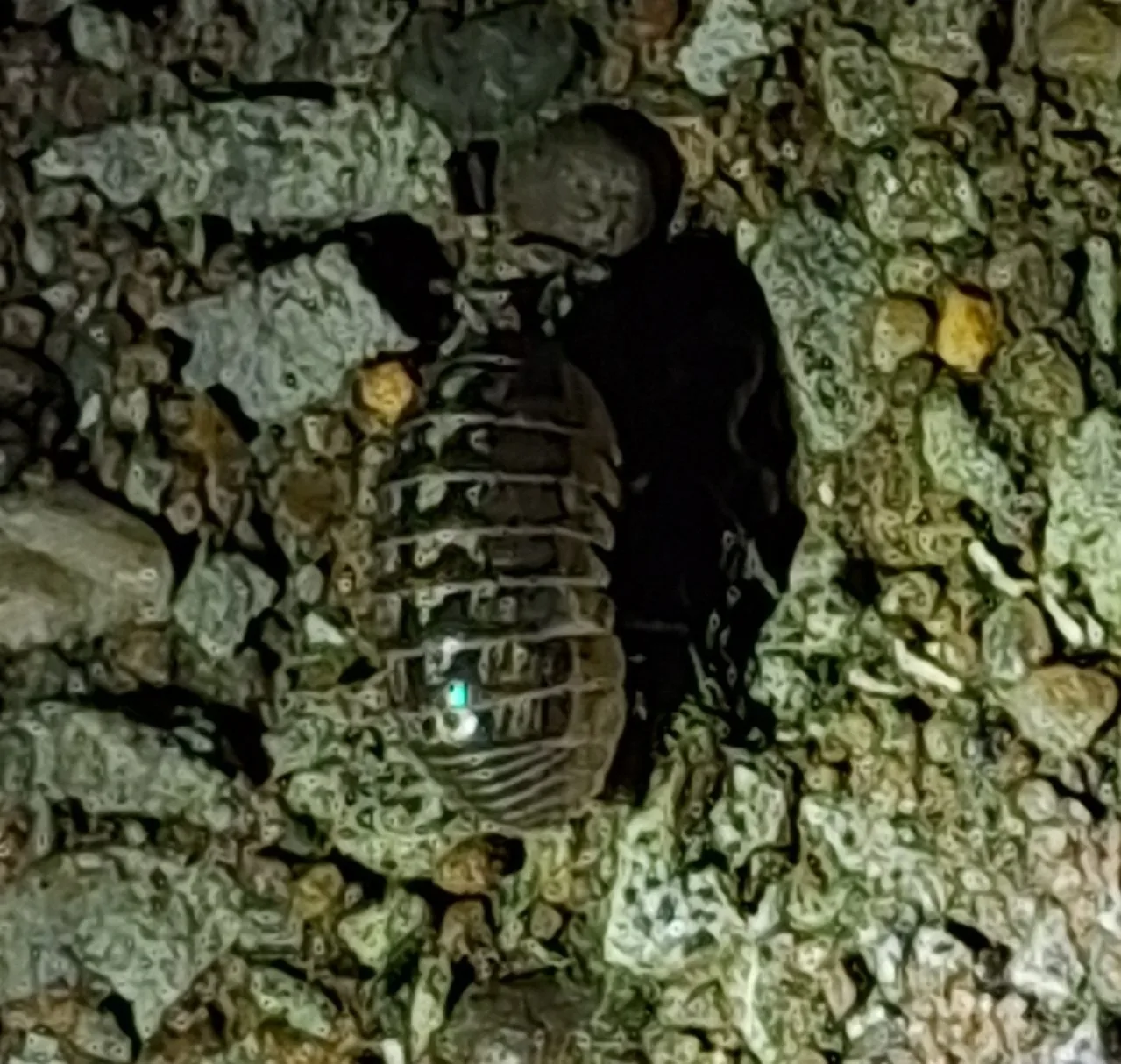
Armadillidium vulgare is a terrestrial isopod in the family Armadillidiidae. Its armored body is gray and made up of segments that resemble plates; it can reach about 17 mm in length. When disturbed, it rolls up into a compact ball, a response reminiscent of that of a small armadillo. These features make its general appearance recognizable, although color alone is not enough to distinguish it from other isopods.
It lives on land and is found among leaf litter and along the edges of wooded areas; it is also described from dry, sunny places. At the same time, it is often associated with environments of high humidity and moderate temperatures, conditions that help limit water loss. It feeds mainly on leaf litter and other plant debris, and thus contributes to the decomposition of organic matter and the nutrient cycle. It is also part of the diet of spiders, centipedes, and other small animals.
The species is native to Mediterranean Europe and has been introduced and naturalized beyond its native range in various suitable environments; sources describe a broad distribution, without implying that it occurs everywhere. Regarding development, newly hatched young have one pair of legs fewer than adults, and that pair appears later. Field studies recorded larger young in summer than in spring; under the conditions studied, food was scarcer in summer. In the laboratory, larger young were also observed when the food available to the mother was reduced.