At a glance
Essentials
- Size
- Can reach 1 to 3 meters in height, depending on the cultivar and growing conditions. The range may vary with age, sex and population.
- Distribution
- Native to western South America; introduced to Europe in the 16th century and now cultivated globally.
- Habitat
- Cultivated worldwide; prefers moist, clayey, and slightly acidic soils, and requires full sun.
- Activity
- The flowers are hermaphroditic and can self-pollinate, although pollination by vibration or insects improves fruit set.
Observation guide
What to look for
- 01
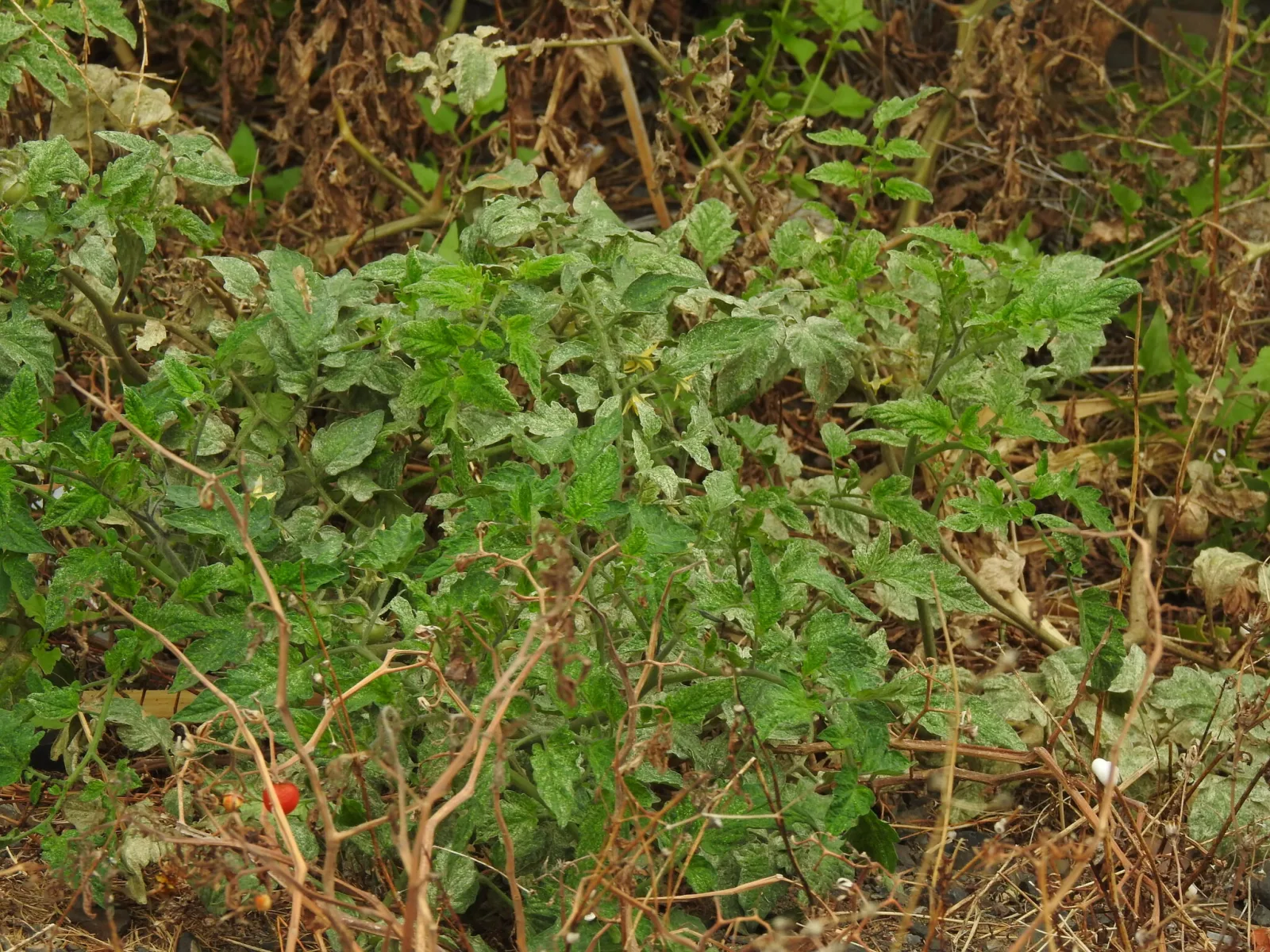
Tender stems, erect or climbing, with dense sticky hairs and strong aroma.
- 02
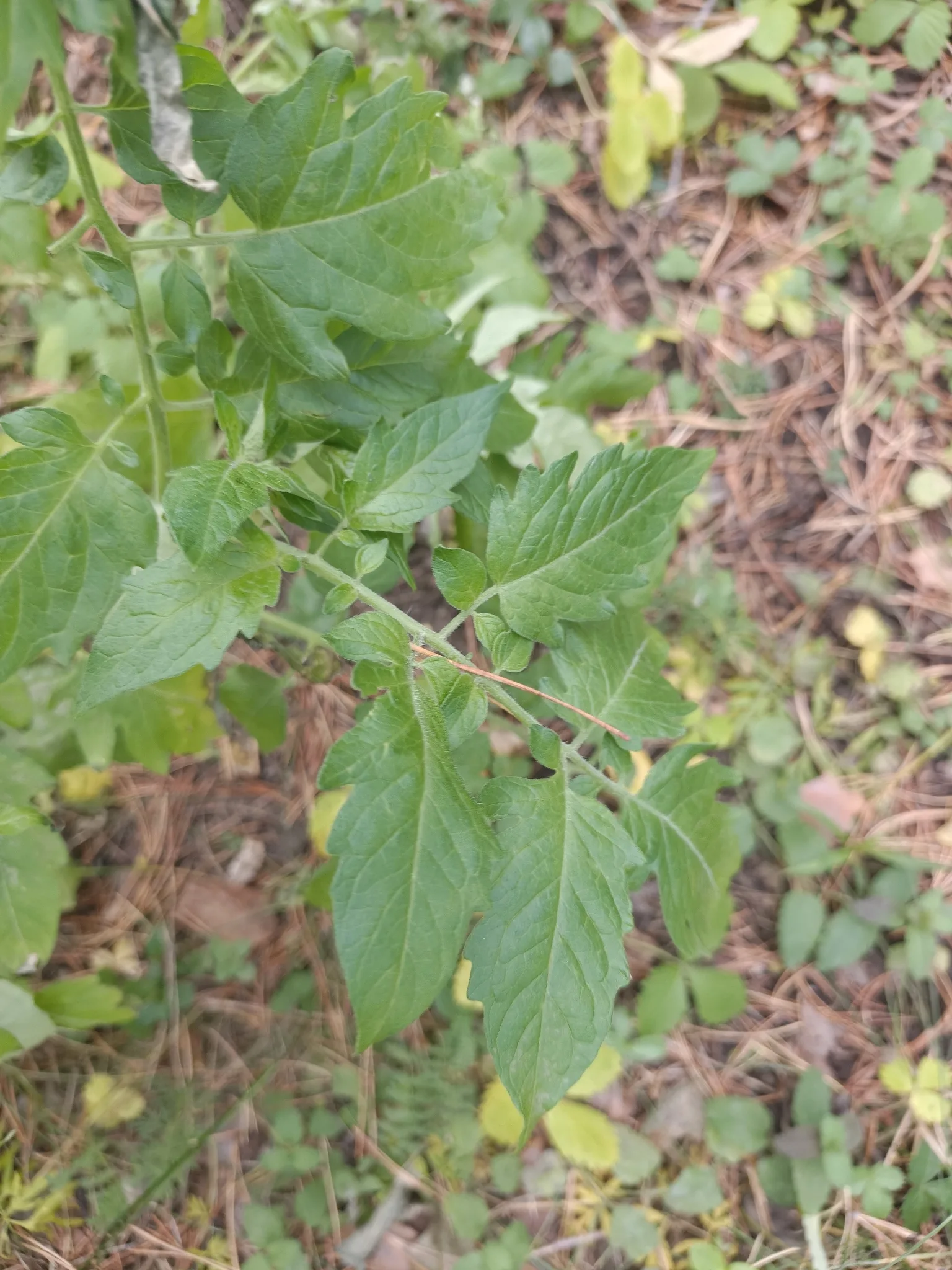
Compound, alternate leaves, with velvety texture and serrated margins.
- 03
Yellow flowers, star-shaped with five petals, grouped in racemes.
- 04
Fruit in the form of a berry, smooth and shiny, of variable size and color.
Lighting, age and viewing angle can hide features. If identification affects consumption, handling or conservation, consult specialist sources.
Ecology
Description and characteristics
Solanum lycopersicum is a herbaceous plant of the Solanaceae family, generally cultivated as an annual although it can behave as a perennial in climates without frosts. Its stems are tender, light to dark green in color, and present a dense coverage of sticky hairs that give them a characteristic aroma. The leaves are compound, alternate, and densely hairy, with leaflets of serrated margins that vary in number according to the variety. The flowers are yellow, star-shaped with five petals, and usually grouped in cymes or racemes. The fruit is a fleshy, smooth, and shiny berry, whose size, shape, and color (red, yellow, orange, purple, or pink) depend on the cultivar. Biologically, the plant is susceptible to various insects and fungal or viral diseases, and its ripe fruits contain lycopene, responsible for its red coloration.